
After five years living in Barcelona, I've watched thousands of visitors make the same mistakes. Not because they weren't prepared - most of them had done plenty of research. But some things only become obvious when you actually live here.
This post isn't about shaming anyone. These are genuinely easy mistakes to make, especially when every travel blog tells you the same surface-level advice. Consider this the honest version - the one I'd give a close friend before their trip.
Related Posts:
1. Eating on Las Ramblas
Let's get this one out of the way first because it's the biggest.
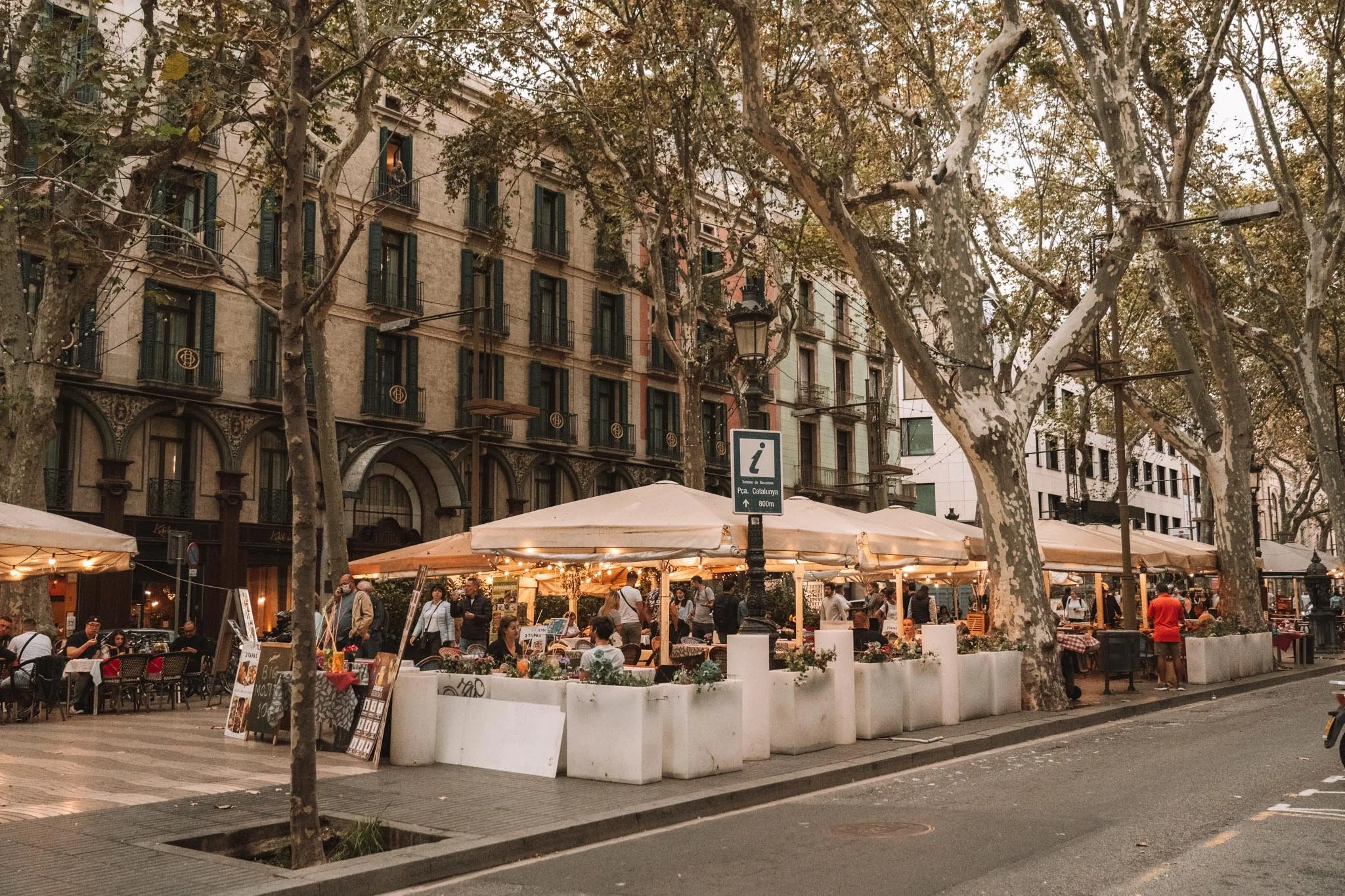
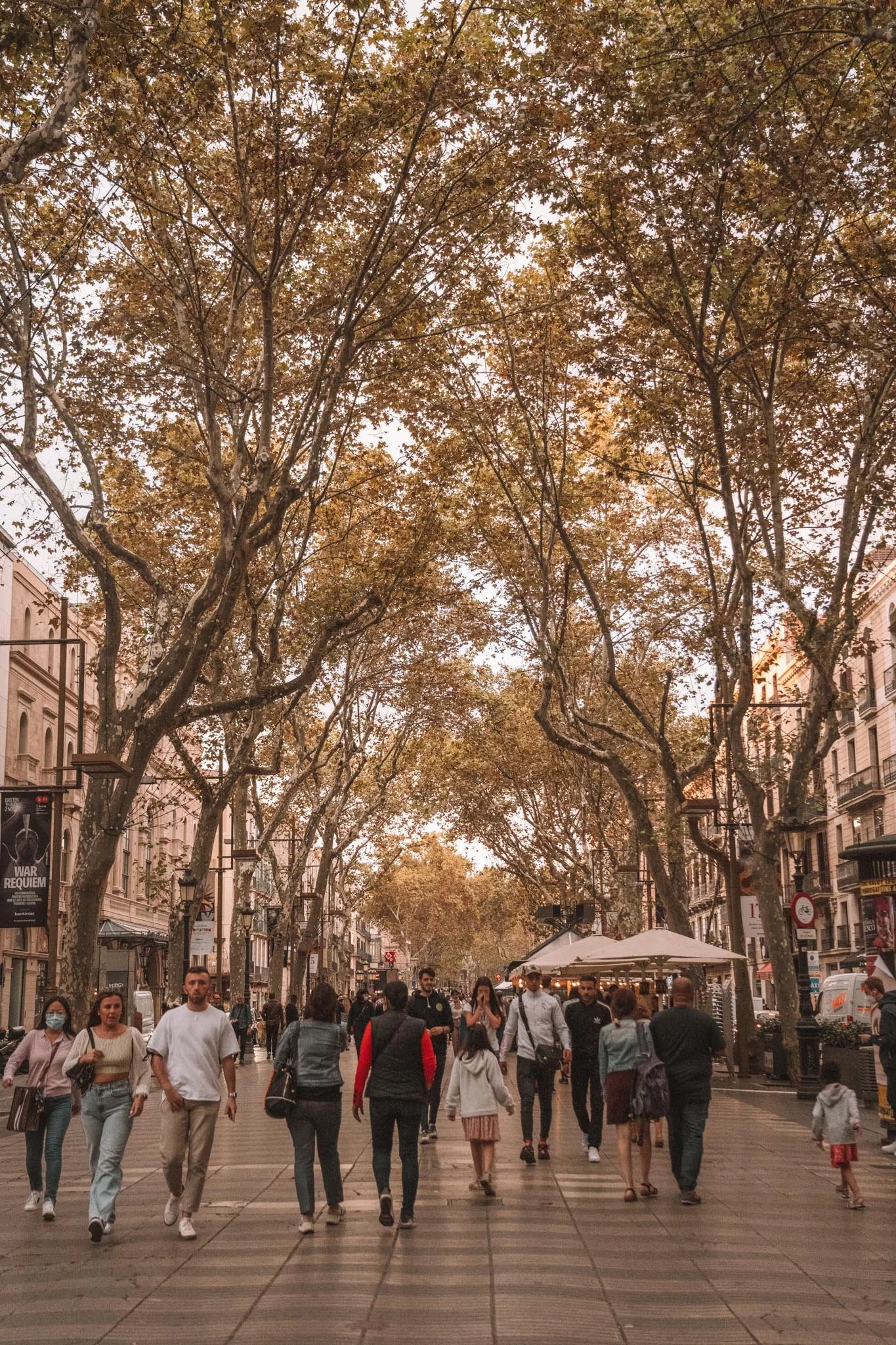
Las Ramblas is iconic, and you should absolutely walk it - once, during the day, to say you did. But eating there is one of the fastest ways to spend a lot of money on a meal you'll be disappointed by. The restaurants along this stretch are almost entirely oriented toward tourists who won't be back. Overpriced menus, mediocre food, and a dining experience that feels more like a transaction than a meal.
What to do instead: Walk two or three blocks in either direction - toward El Born or into the Gothic Quarter side streets - and the quality and value improve dramatically. A good rule of thumb: if the menu has photos and is displayed outside in five languages, keep walking.
2. Not Booking Sagrada Familia and Park Guell in Advance
I cannot stress this enough. Sagrada Familia sells out days - sometimes weeks - in advance during peak season. First-time visitors regularly show up assuming they can buy a ticket at the door, and regularly find out they can't.
Park Guell's ticketed Monumental Zone has timed entry slots that also fill up quickly.
What to do instead: Book both the moment you have your travel dates confirmed. Not the week before. The day you book your flights. You can book all your attractions here.
3. Underestimating How Late Everything Runs
This is the culture shock that catches almost everyone off guard.
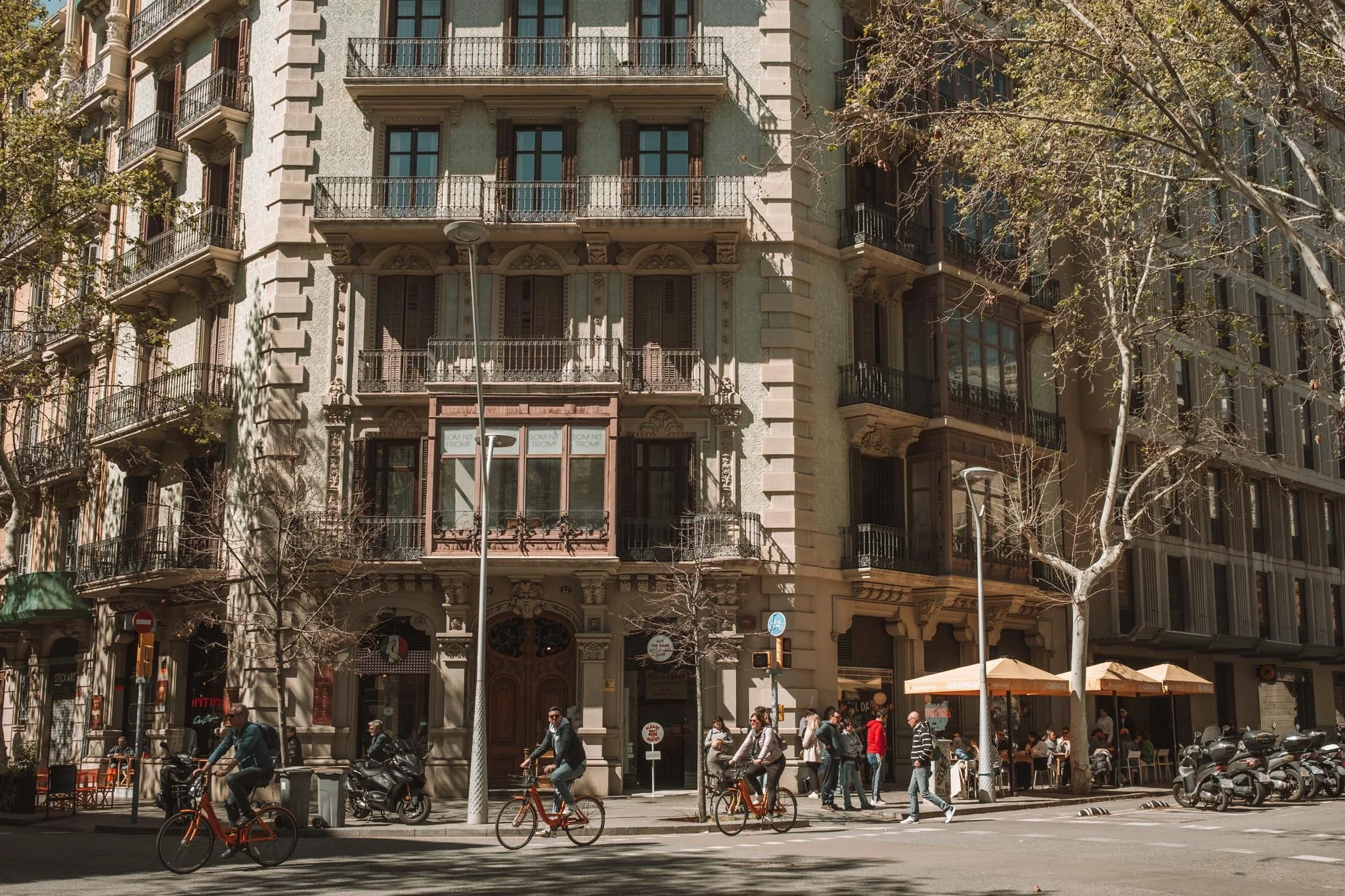
Lunch in Barcelona is 1pm to 3pm. Dinner does not start until 9pm, and many locals eat closer to 10pm. If you sit down at a restaurant at 6:30pm, you will likely be the only people there, the kitchen may not be fully running, and the vibe will be completely off. Some restaurants don’t open until 8-8:30 pm.
The city also comes alive late. Bars fill up after midnight. If you're going out, arriving anywhere before 11pm on a Friday or Saturday puts you firmly in tourist territory.
What to do instead: Lean into it. Have a light lunch, take a late afternoon walk or visit a museum, then head out for dinner at 9pm. You'll be eating alongside locals instead of surrounded by other early-bird visitors, and the atmosphere is completely different.
4. Visiting La Boqueria Instead of Mercat de Santa Caterina
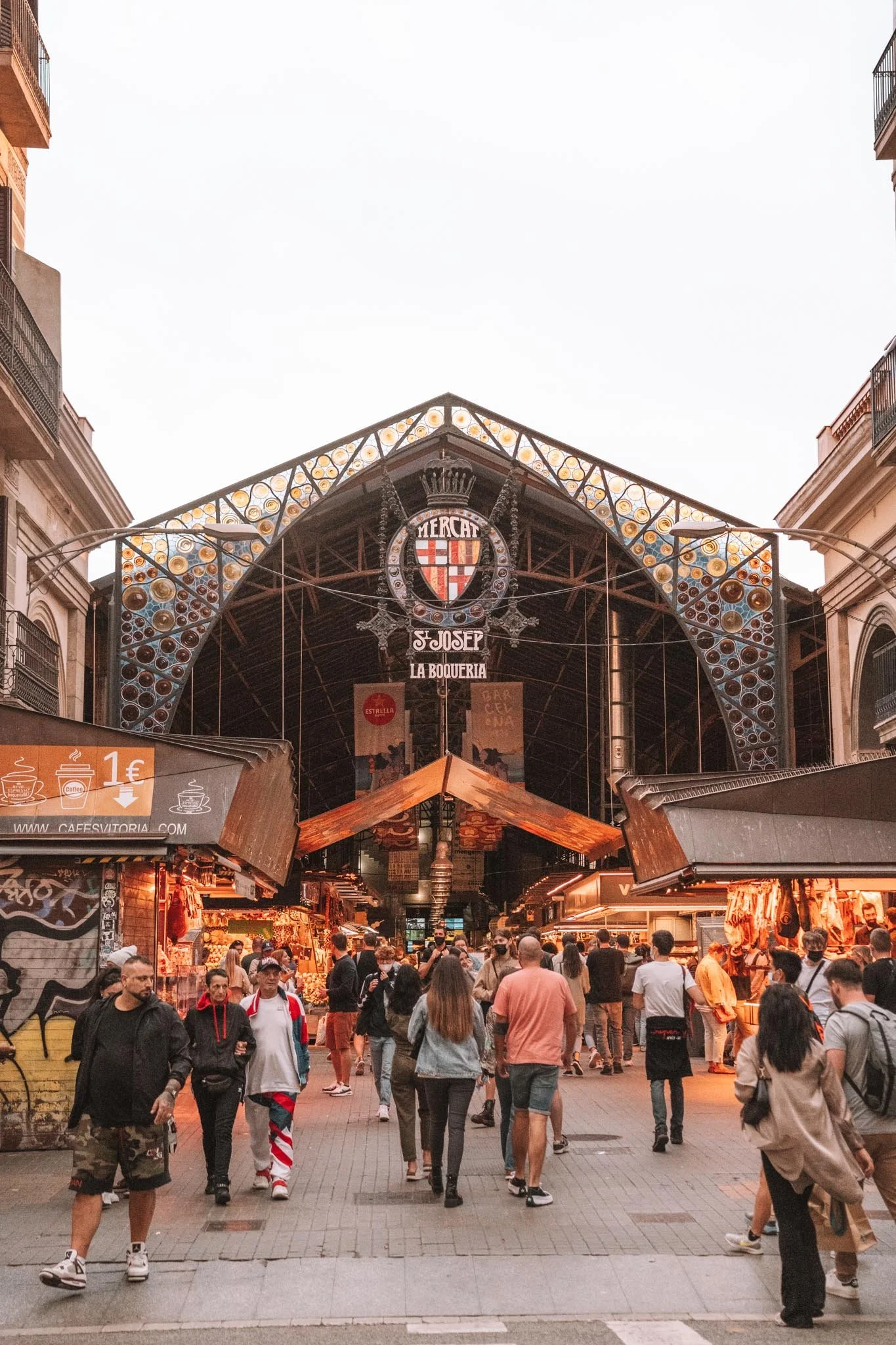
La Boqueria is one of the most photographed markets in Europe. It's also, at this point, almost entirely a tourist experience. The vendors closest to the entrance sell overpriced fruit cups and smoothies to people walking through with cameras. The serious food stalls - the ones locals actually used - have mostly moved on.
What to do instead: Mercat de Santa Caterina in El Born is everything La Boqueria used to be. Beautiful building (the mosaic roof is genuinely stunning), real market stalls, local prices, and far fewer crowds. It's a 15-minute walk from La Boqueria and a completely different experience.
5. Only Going to Barceloneta Beach
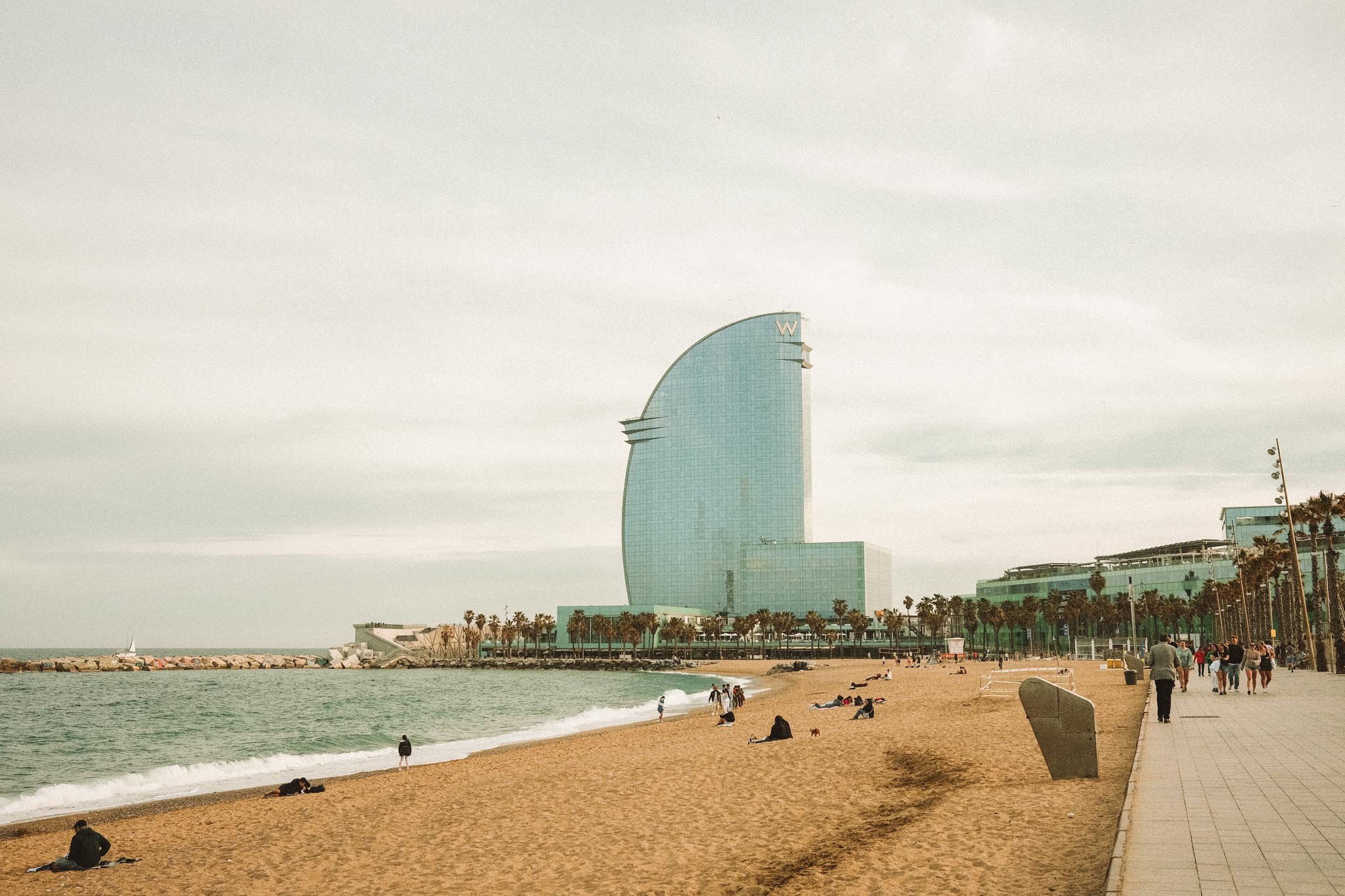
Barceloneta is the most famous beach, and in July and August it can feel more like a human traffic jam than a beach. It's loud, crowded, and the strip behind it is lined with overpriced chiringuitos.
What to do instead: Take the tram or metro north to Bogatell, Mar Bella, or Nova Icaria. Same sea, same sand, significantly fewer people, and the vibe is noticeably more local. Bogatell in particular is where Barcelona residents actually go.
6. Spending Too Much Time in the Tourist Center
The Gothic Quarter, Las Ramblas, and the area immediately around Sagrada Familia are worth seeing - but they're not the whole city. Many first-time visitors spend their entire trip in a relatively small radius and leave feeling like they've seen Barcelona without really having experienced it.
What to do instead: Build in at least one afternoon in Gràcia, one morning in Sant Antoni (especially on a weekend for the market), and an evening wander through Poblenou. These are the neighborhoods that show you how people actually live here.
7. Taking Taxis Everywhere
Barcelona's metro is clean, reliable, inexpensive, and covers almost everywhere you'd want to go. A T-Casual 10-trip card costs around €11.35 and works across metro, bus, and most tram lines. A taxi or rideshare for the same journey might cost €12-15 one way.
Beyond the cost, the metro is often faster in the city center where traffic is genuinely heavy, especially during summer.
What to do instead: Buy a T-Casual card at any metro station. The L3 and L4 lines cover most tourist-relevant stops. Keep the card until your last day - you'll be surprised how many trips you get through it.
8. Assuming "Tapas" Means the Same Thing Here as Elsewhere
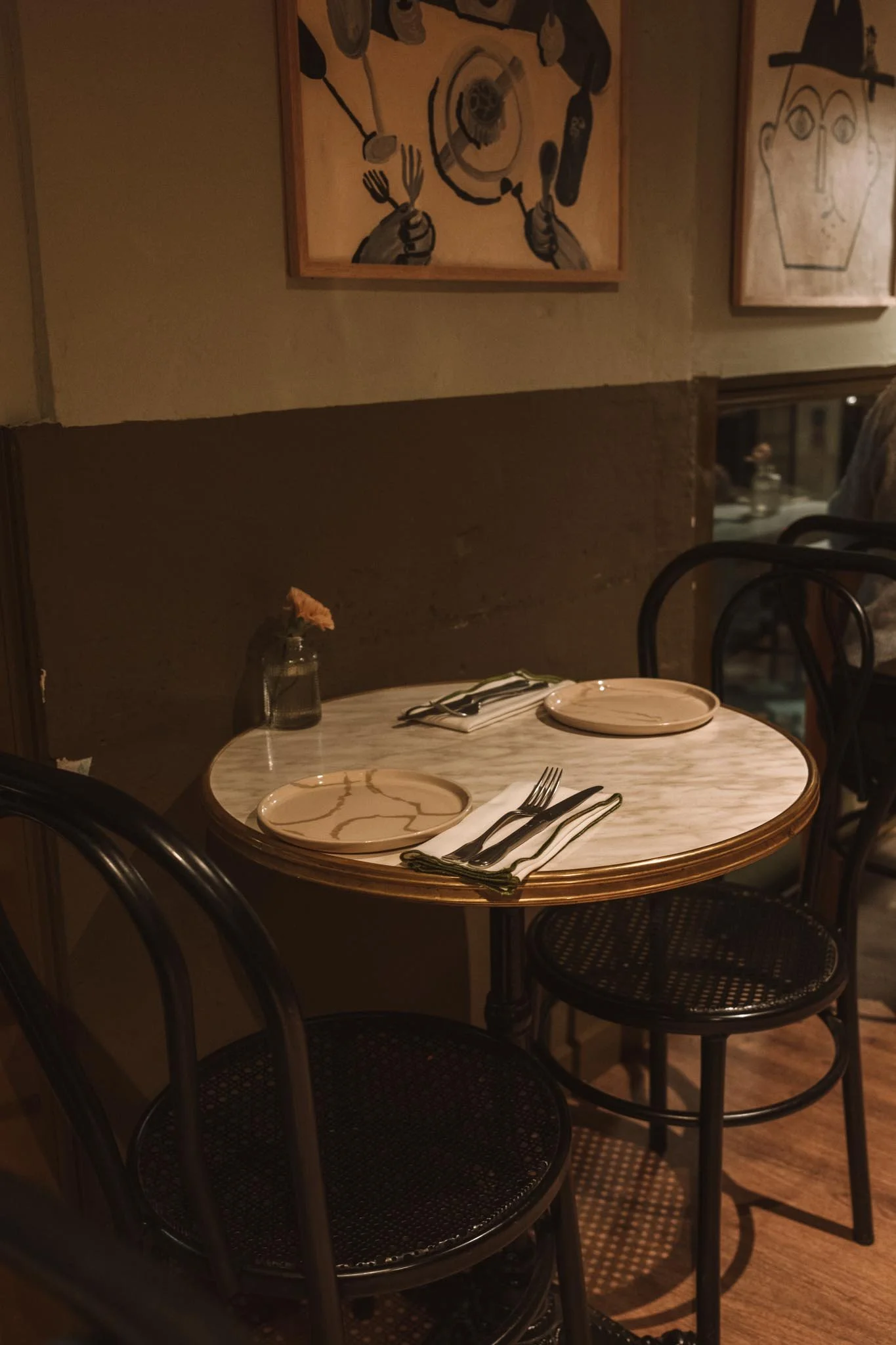
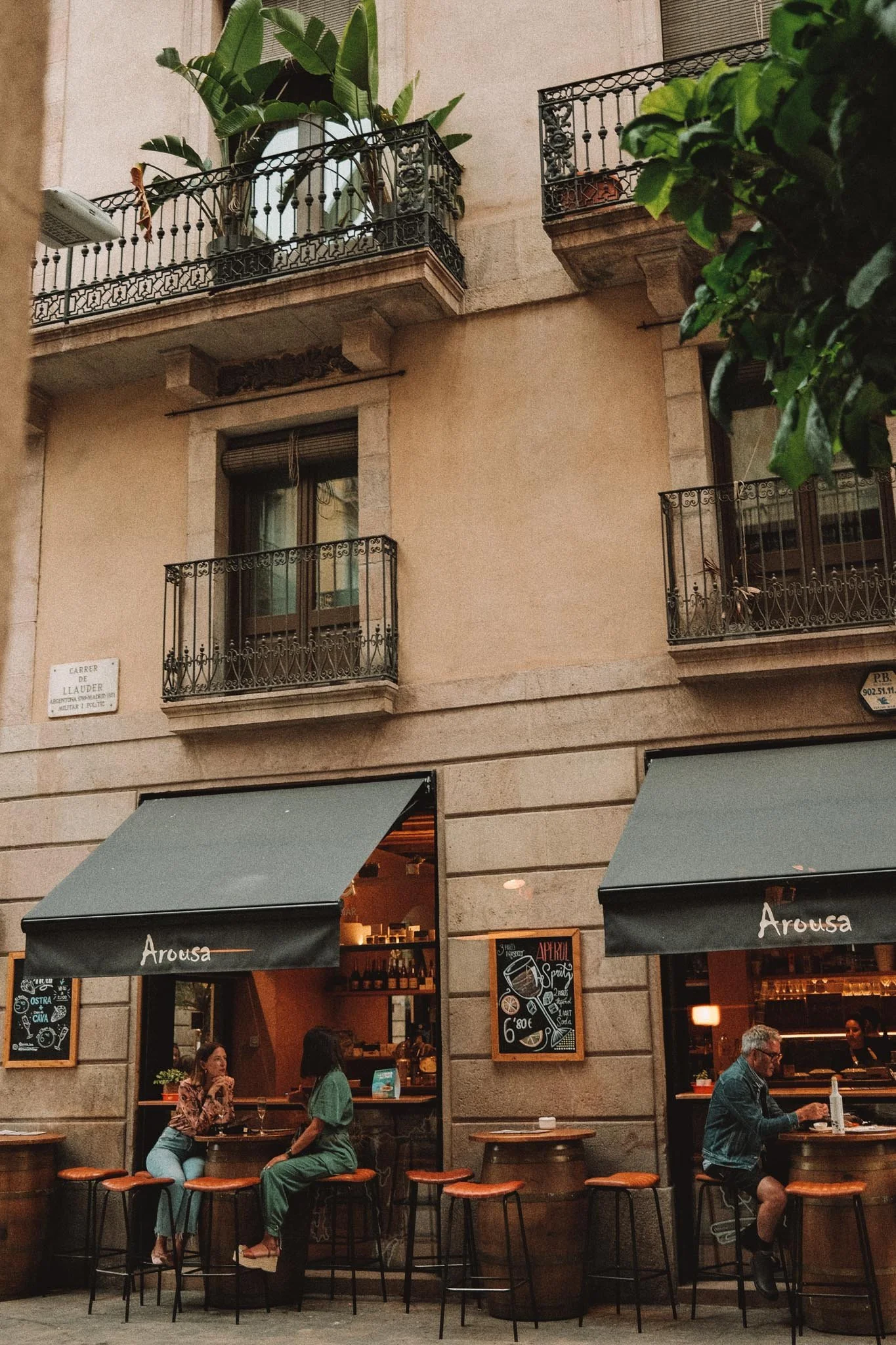
In many parts of Spain, tapas come free with drinks. Barcelona doesn't really work that way - here, tapas are a style of dish you order and pay for individually. Visitors sometimes sit down expecting complimentary snacks with their drinks and are confused when the bill arrives.
Also worth knowing: what most tourists think of as a "tapas bar" is often just a bar in Barcelona. The actual local tradition is more about vermut (vermouth) in the late morning or early afternoon, accompanied by small bites - olives, chips, maybe a small plate of something - before lunch. That's the local ritual worth seeking out.
What to do instead: Go for vermut at around 12pm to 1pm at a local bar - not a restaurant. Order a glass of house vermouth and whatever small plates they offer. It costs almost nothing and it's one of the most genuinely local things you can do.
9. Not Learning Even a Few Words of Catalan
Spanish will get you everywhere in Barcelona - the city is bilingual and most people speak both. But Barcelona is the capital of Catalonia, and Catalan is the first language here. A simple "gràcies" (thank you) or "bon dia" (good morning) lands noticeably well with locals. It signals that you've paid enough attention to know where you actually are.
You don't need to learn Catalan. But acknowledging it exists is a small thing that makes a real difference.
What to do instead: Learn three words before you arrive: "bon dia" (good day), "merci" (thank you), "adeu" (bye). That's genuinely enough to show respect.
10. Overpacking Your Itinerary
Barcelona is the kind of city that rewards wandering. Some of the best experiences here - stumbling into a courtyard, finding a neighborhood bar, getting lost in a street market - are things you can't schedule. Visitors who pack their days with back-to-back attractions often leave feeling like they ran a marathon and missed the actual city.
What to do instead: Plan one or two "anchor" things per day (a museum, a specific neighborhood, a meal you've booked) and leave the rest open. The city will fill in the gaps if you let it.
11. Drinking Sangria
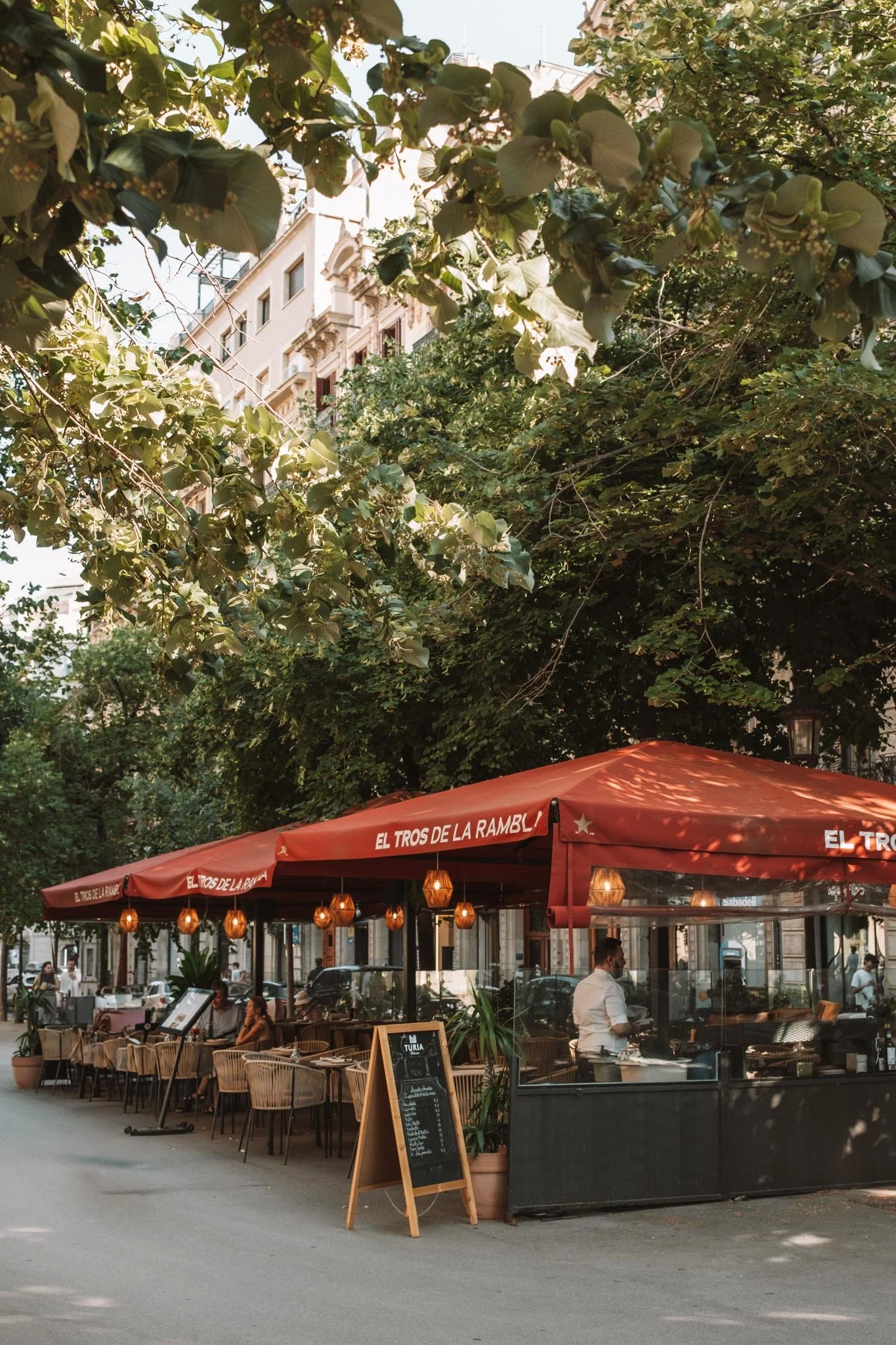
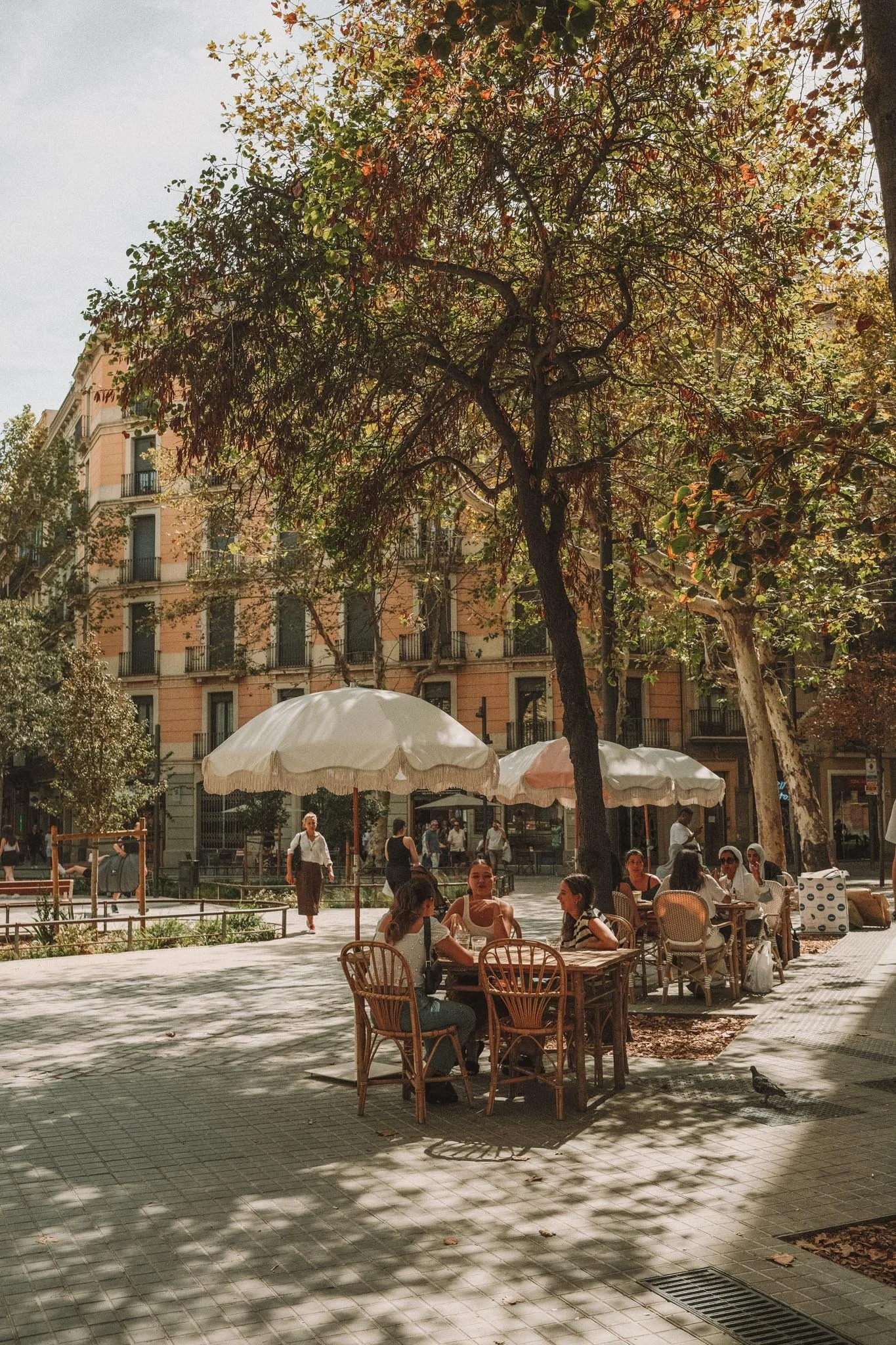
Sangria is a real drink - it exists, it's fine - but it's not what locals order. It's largely associated with tourist bars and summer terraces aimed at visitors. Ordering sangria in a local bar is a bit like ordering a cosmopolitan in a serious cocktail bar: you can do it, but it tells a story.
What to do instead: Order cava (Catalan sparkling wine, genuinely excellent and inexpensive), vermut, or a glass of local red wine. If you're in a bar, a clara (beer mixed with lemon soda) is very Barcelona on a hot day. These are what people actually drink here.
12. Ignoring the Siesta Culture (Especially on Sundays)
Many smaller shops, local restaurants, and independent businesses still close between roughly 2pm and 5pm. Sundays are quieter still - outside of the main tourist areas, a lot of the city closes down or runs reduced hours.
First-time visitors sometimes arrive on a Sunday, head away from the tourist center, and find streets that feel unexpectedly quiet.
What to do instead: Plan Sundays around neighborhoods and parks rather than shopping or specific restaurants. The Barceloneta beach, Parc de la Ciutadella, and Gràcia's neighborhood squares are all lovely on a Sunday regardless of what's open.
13. Wearing Revealing Clothing in Churches and Cathedrals
The Sagrada Familia, the Barcelona Cathedral, and Santa Maria del Mar are all active religious sites, not just architectural attractions. They have dress codes. Shoulders need to be covered and shorts need to reach the knee - or you'll be turned away at the entrance, which is an uncomfortable and avoidable experience.
What to do instead: Pack a light scarf or shawl that you can throw over your shoulders. It weighs nothing, takes up no space, and saves you from being turned away at the door.
14. Over-tipping
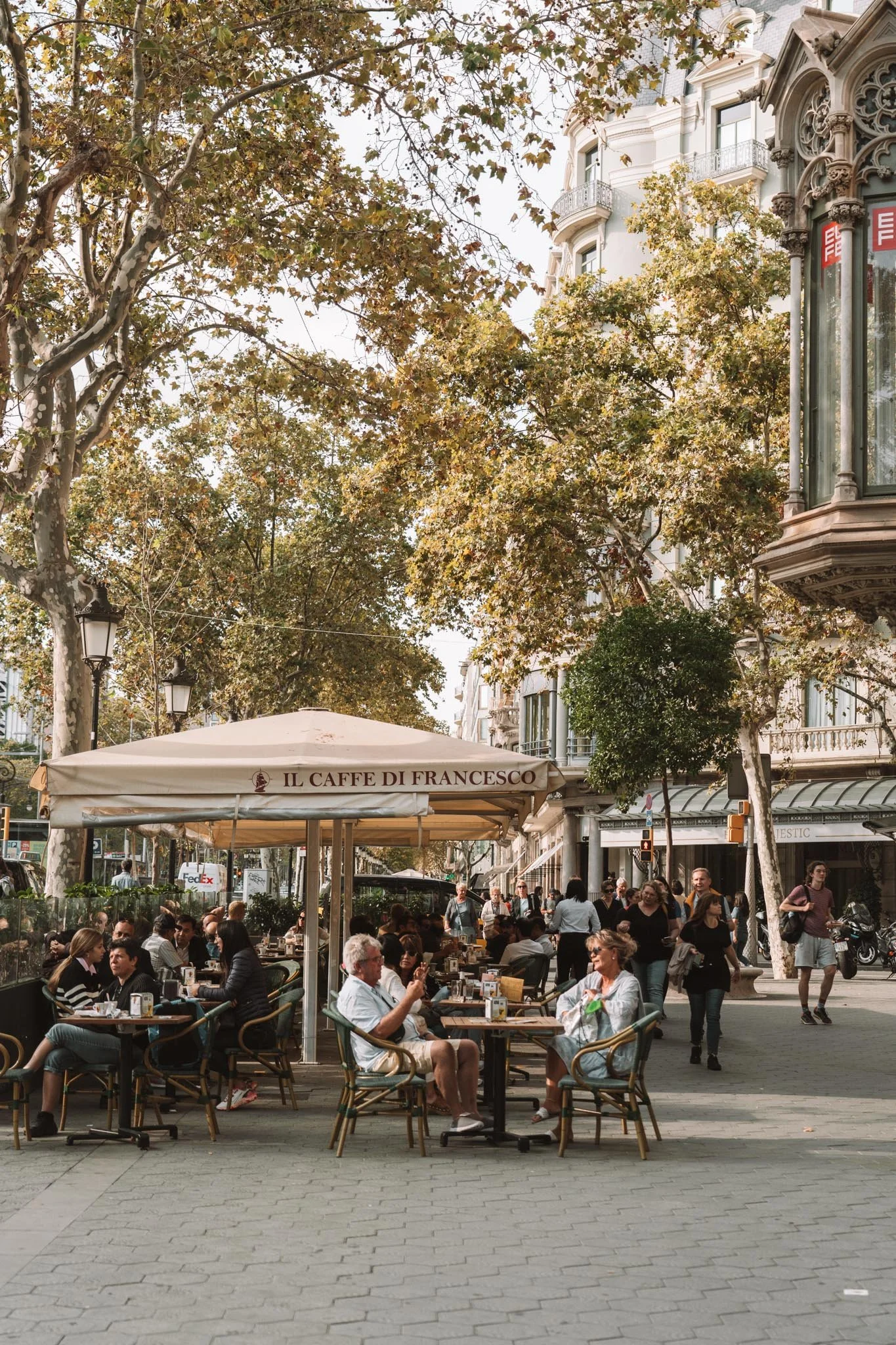
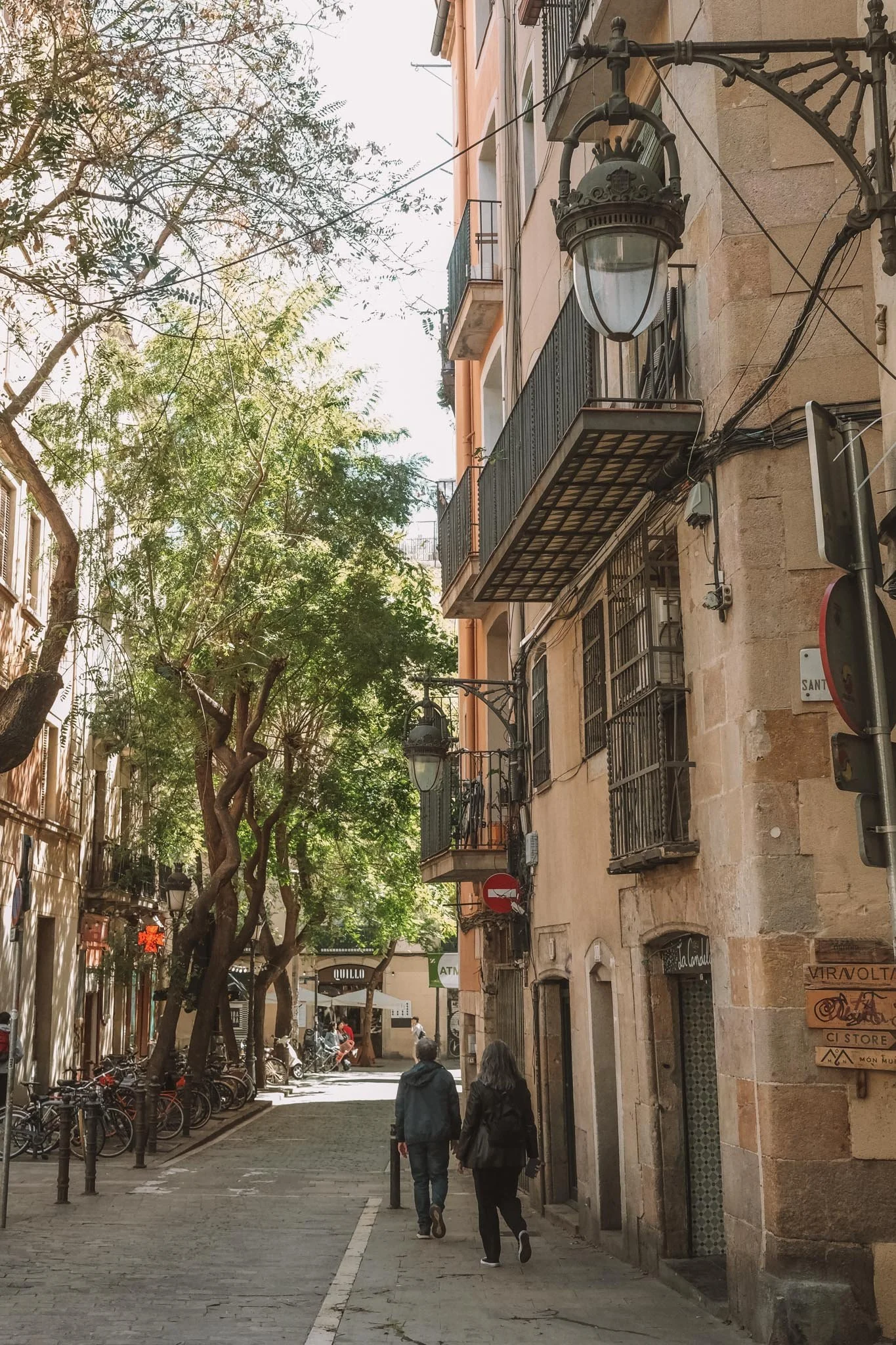
This comes up mostly with North American visitors. Tipping culture in Barcelona is very different from the US. Locals rarely tip more than rounding up to the nearest euro, and sometimes don't tip at all. Many restaurants won't even have a tip option on the card machine.
Over-tipping isn't offensive, but it can make interactions feel slightly awkward when the server has to explain to you that it's really not necessary.
What to do instead: If you had a genuinely excellent meal or exceptional service, leaving a couple of euros in cash is perfectly generous and appreciated. At bars, nothing is expected. At restaurants, rounding up or leaving €2-3 on a nice dinner is more than enough.
15. Not Booking Accommodation Early Enough
Barcelona is one of the most visited cities in Europe. The good hotels - especially the boutique properties in El Born and the better-located options in Eixample - fill up weeks or months in advance during summer (June to September), Easter, and around major events like Mobile World Congress in late February.
Visitors who book late end up either paying significantly more for last-minute availability or staying further from the center than they wanted.
What to do instead: Book accommodation the same day you book your flights. Not the week before you travel. If you're visiting in peak season and have specific neighborhoods or hotels in mind, three to four months in advance is not excessive.
One More Thing
The biggest mistake of all is treating Barcelona like a checklist. The Sagrada Familia, the Picasso Museum, Park Guell - yes, see them. But the city that people fall in love with is the one between those pins on the map. A coffee at a corner bar at 9am. A long, late dinner that stretches past midnight. A slow morning in a neighborhood square watching the city wake up.
That version of Barcelona doesn't require a ticket. It just requires slowing down enough to be present in it.
Want to See Barcelona Like a Local?
My Barcelona Travel Guide covers 400+ spots across the city - the restaurants, beaches, neighborhoods, and hidden corners that don't make it into the average travel blog. If you want to spend less time second-guessing Google and more time actually experiencing the city, it's the shortcut I wish I'd had when I first arrived. Get the Barcelona Travel Guide ->