
Where to Stay in Barcelona in 2027: 8 Best Neighborhoods According to a Local
Quick answer: Eixample is the best area to stay in Barcelona for most first-time visitors. It's central, well-connected, and has some of the city's best hotels. For beautiful historic streets and restaurants, choose El Born. For a slower, more residential experience, look at Gràcia or Sant Antoni. If being near the beach matters most, I'd choose Poblenou over Barceloneta.
I've lived in Barcelona for nearly six years, and one thing I've learned is that choosing the right neighborhood can completely change your experience of the city.
Barcelona isn't enormous, but staying near Passeig de Gràcia feels very different from waking up in the narrow streets of the Gothic Quarter or spending your mornings in one of Gràcia's neighborhood squares.
And it's not always obvious from a hotel listing.
A beautiful hotel might sit above a noisy bar. A cheaper room might put you 30 minutes away from most of the places you want to visit. And some of the city's most famous areas aren't necessarily where I'd recommend staying.
In this guide, I'm breaking down eight Barcelona neighborhoods, including where I'd actually book, which streets to look for, the trade-offs worth knowing, and the areas I'd think twice about.
The goal isn't to stay somewhere with zero tourists. It's to choose a neighborhood that makes sense for the kind of Barcelona trip you want.
Related Posts:
The 7 BEST Day Trips From Barcelona By Train
Best Beaches in Barcelona: A Local’s Complete Guide
15 Mistakes To Avoid When Visiting Barcelona
3 Day Barcelona Itinerary
| Neighborhood | Best for | Atmosphere | Main drawback |
|---|---|---|---|
| Eixample | First-time visitors, luxury hotels | Elegant, central | Expensive near Passeig de Gràcia |
| El Born | Couples, restaurants, nightlife | Historic, lively | Street noise |
| Gràcia | Slow travel, repeat visitors | Village-like, residential | Farther from the waterfront |
| Sant Antoni | Food lovers, local atmosphere | Relaxed, café-focused | Fewer hotels |
| Poblenou | Beach holidays, families | Spacious, creative | Longer sightseeing journeys |
| Gothic Quarter | Short stays, historic center | Medieval, busy | Crowds and noise |
| Barceloneta | Beach-first trips | Seaside, energetic | Busy summer nights |
| Poble-sec | Food, nightlife, Montjuïc | Residential, lively | Hilly edges and busy streets |
Once you've chosen where to stay, the next step is figuring out how to organize your days. My 3-day Barcelona itinerary is a good starting point for first-time visitors, and my Barcelona travel guides cover everything from restaurants and hidden corners to beaches and day trips.
How I Think About Choosing Where to Stay in Barcelona
I've lived in Barcelona for five years. I've walked every neighborhood, eaten in the side-street restaurants that don't appear on tourist lists, and had the conversations that happen when you actually live somewhere.
What I've noticed: most "where to stay" guides list neighborhoods alphabetically and call it a day. That doesn't help you. What you need to know is how each area feels, what it means for your actual trip, and — crucially — what nobody warns you about.
That's what this guide is.
How Many Nights Do You Have? Start Here
Before you read anything else, this is the fastest way to narrow it down:
1–3 nights: Don't overthink it. Stay in Eixample, preferably near Passeig de Gràcia or Universitat. You want central and walkable. Done.
4–5 nights: Eixample is still the smart base, but El Born is worth considering if atmosphere matters more to you than pure convenience. Both work.
6–9 nights: Split your stay. Three or four nights in Eixample to cover the sightseeing, then move to El Born or Gràcia for the second half. You'll experience two completely different versions of the city.
10+ nights / long stay: Rent an apartment (Specify legally licensed accommodation; don't imply every short-term apartment rental is permitted.) in Sant Antoni or Gràcia. You'll live like a local, spend less, and have a kitchen - which matters when you're here long enough to get tired of restaurant meals.
The One Thing to Know Before You Book
Barcelona's tourist center is compact. From Eixample, you can walk to El Born in 20 minutes and to the beach in 30. This means location matters less than most cities - but it still matters. The wrong neighborhood can cost you sleep (noise), time (bad metro access), or money (tourist-trap restaurants on your doorstep).
Best Neighborhoods to Stay in Barcelona
1. Eixample — Best for First-Time Visitors
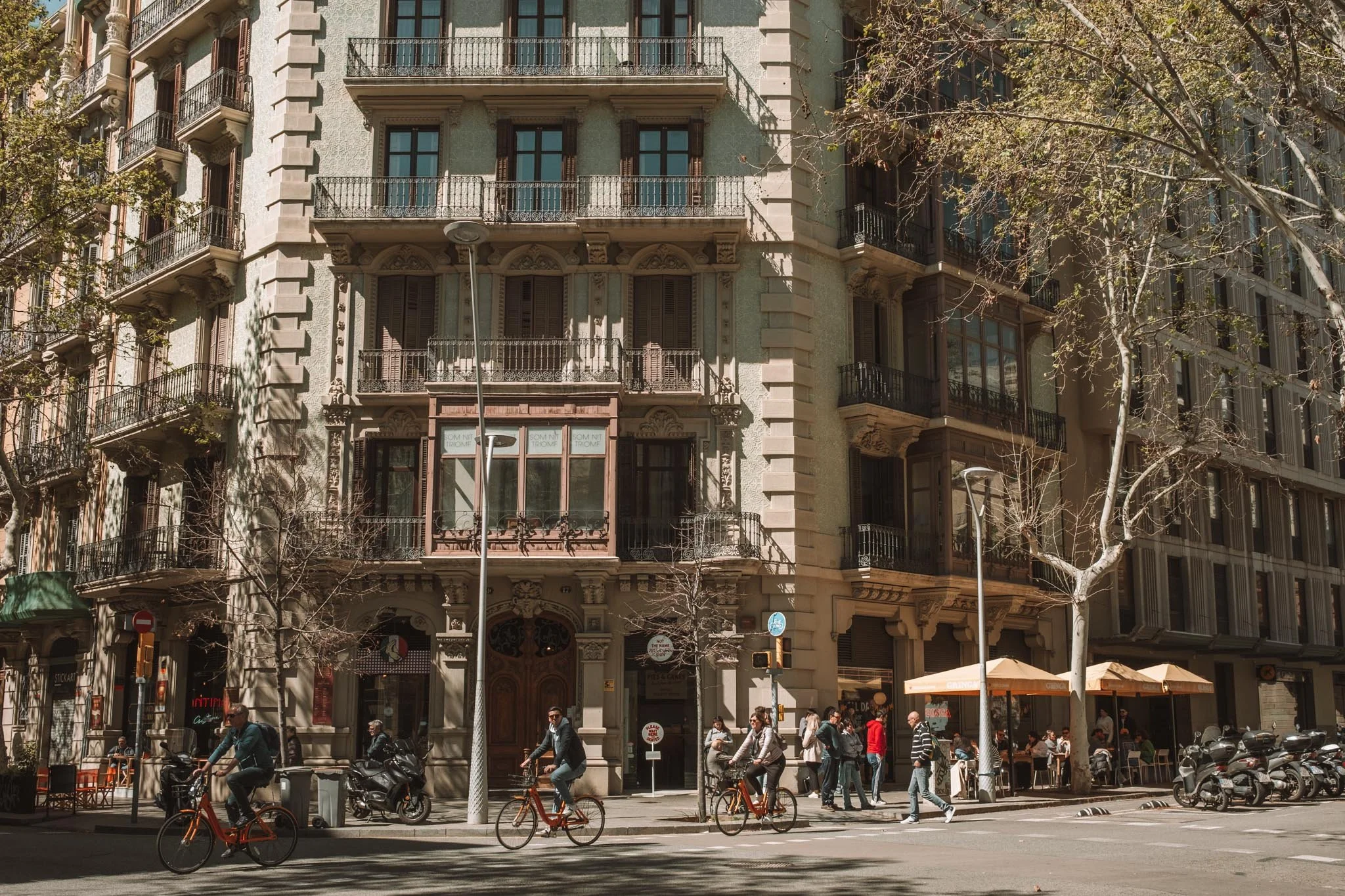
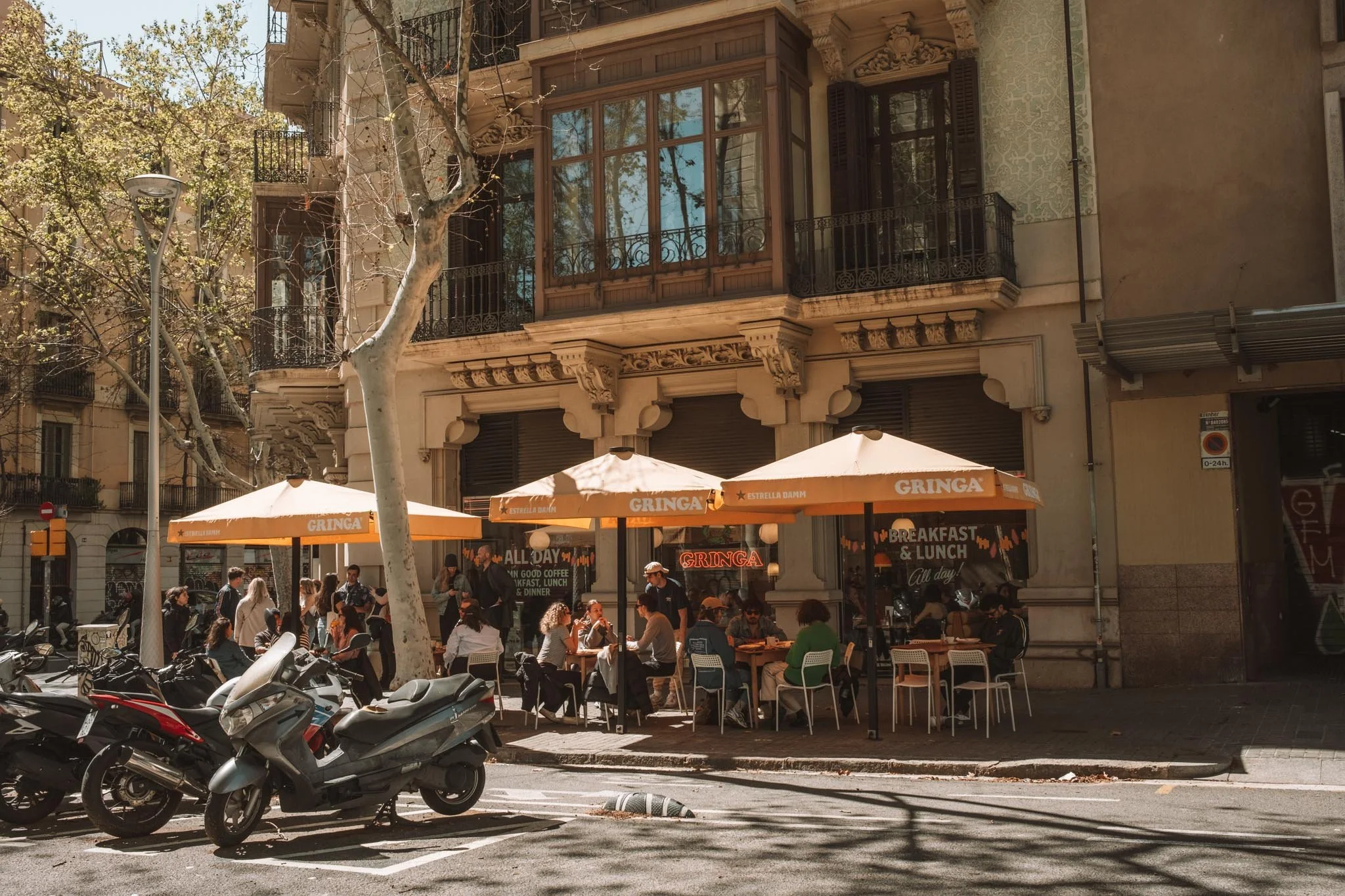
The honest take: Eixample is where I send my friends when they visit and don't know the city. Wide boulevards, beautiful Modernista architecture, excellent restaurants that serve both locals and visitors, and strong metro connections. It's not the most "authentic" feeling neighborhood. It's polished and city-like — but it gives you the best base to explore everything else.
What nobody tells you: Eixample is huge. Which part of Eixample you book matters. The area around Passeig de Gràcia is glamorous but pricey. The blocks around Universitat and Sant Antoni are increasingly the neighborhood of choice for locals in their 30s — better bars, better coffee, more energy.
Where exactly should you stay in Eixample?
Eixample covers a much larger area than most visitors realize, so I wouldn't book a hotel based on the neighborhood name alone.
For a first trip, my preference is the area around Rambla de Catalunya, Passeig de Gràcia, and the streets between them. You're surrounded by beautiful architecture, restaurants, and shops, with easy access to several metro lines.
If you prefer somewhere with more neighborhood energy, look toward the Universitat and Sant Antoni side of Eixample. Carrer d'Enric Granados is particularly lovely for restaurants and terraces, although I'd check for nighttime noise if your room faces the street.
One thing worth knowing: a hotel near the Sagrada Família is not necessarily the most convenient base for exploring Barcelona. The basilica is worth visiting, of course, but most visitors will spend plenty of time in other parts of the city.
Local tip: Check the nearest metro station and the exact street before booking. Two hotels advertised as being in Eixample can offer very different experiences.
Who it's for: First-timers, couples, anyone on a short trip (3–5 days), anyone who wants to be able to walk everywhere.
Who should look elsewhere: Budget travellers (hotels here trend expensive), and anyone who wants a gritty, lived-in atmosphere.
Eixample streets worth knowing:
Passeig de Gràcia: glamorous, iconic, expensive
Rambla de Catalunya: pedestrian, café-lined, prettier than Las Ramblas
Carrer del Consell de Cent / Carrer de Muntaner area: local, quieter, underrated
Where to stay in Eixample:
Casa Llimona Hotel Boutique (Roger de Lluria, 42) — My personal favourite. Stylish, well-located, feels genuinely Barcelonan rather than generic hotel. See prices and availability →
Hotel Casa Sagnier (Rambla de Catalunya, 104) — On one of the prettiest pedestrian streets in the city. Boutique feel, great location, rooftop terrace. Book here →
Sixtytwo Hotel (Passeig de Gràcia, 62) — If you want the iconic Passeig de Gràcia address, this is the one. Book here →
ME Barcelona (Carrer de Casp, 1-13) — Rooftop views that will ruin you for other rooftops. See photos →
Hotel El Palace Barcelona (Gran Via de les Corts Catalanes, 668) — The historic luxury option. One of the most famous hotels in the city. See why →
Alma Barcelona GL (Mallorca, 269–271) — For those who want nothing but the best. Book here →
2. El Born (El Born / Sant Pere / Santa Caterina) — Best for Atmosphere
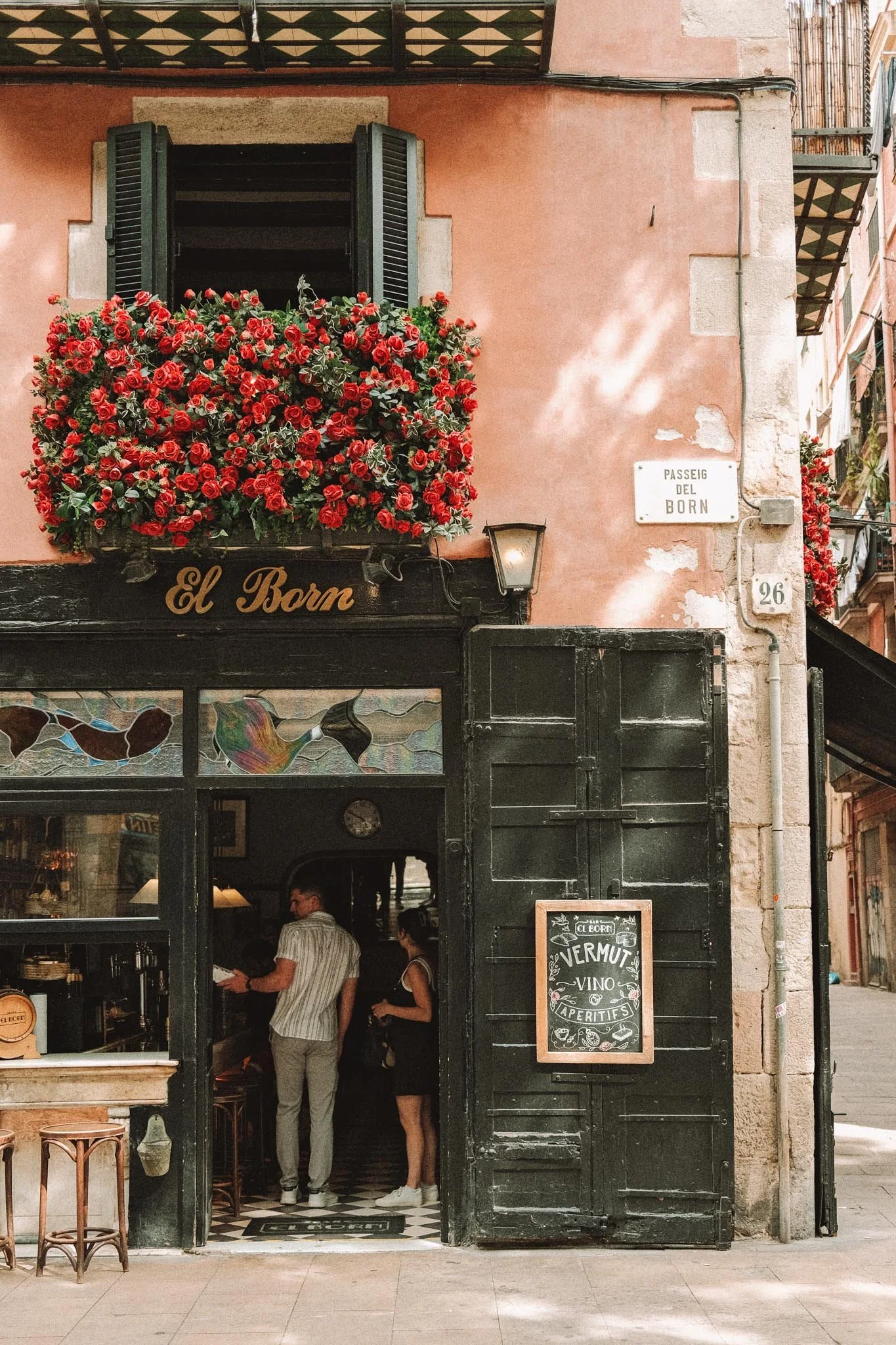
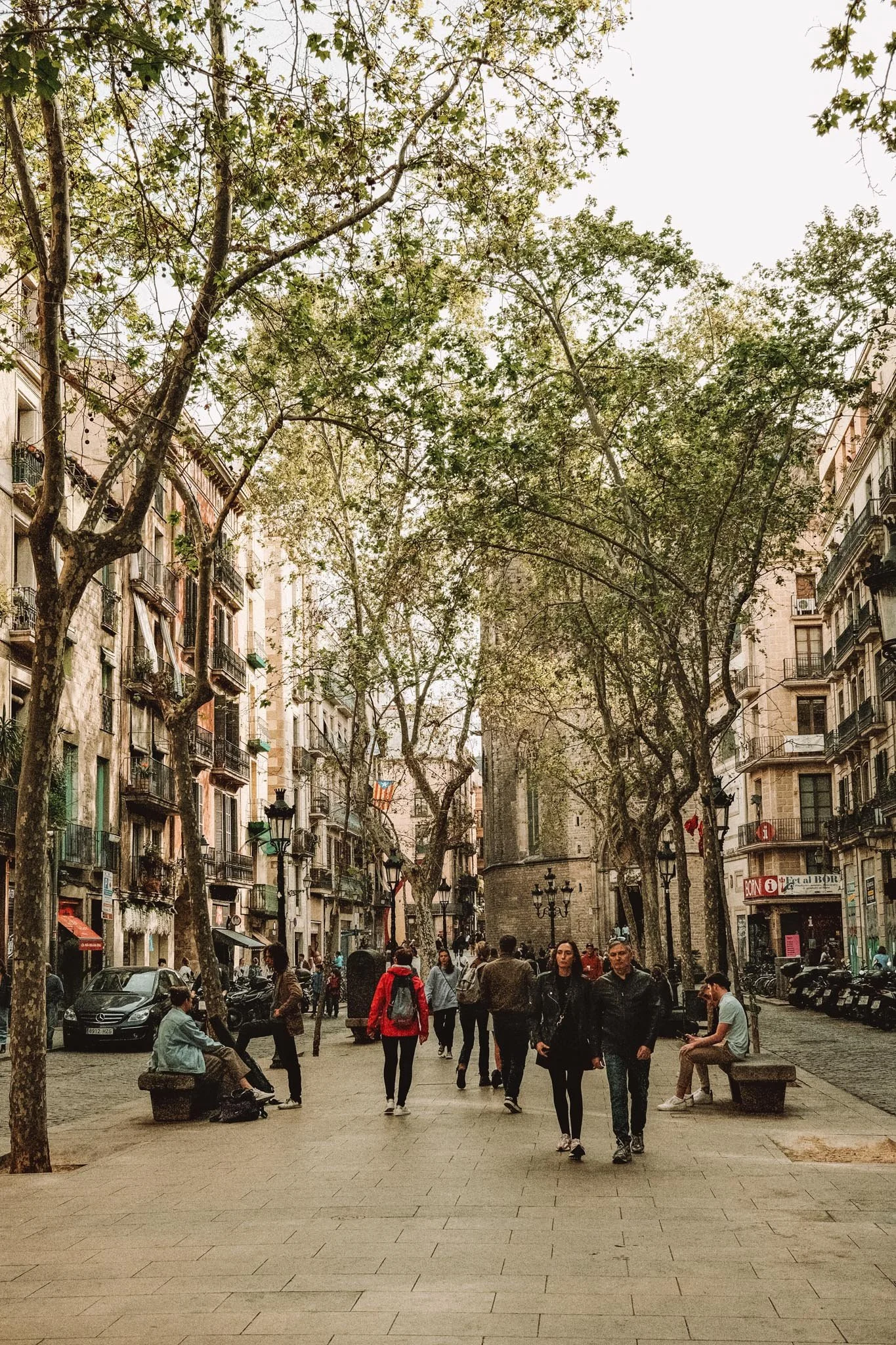
The honest take: El Born is the neighborhood that makes people fall in love with Barcelona. Narrow medieval streets, outstanding restaurants and cocktail bars, the beautiful Santa Maria del Mar church, and a vibe that mixes old-city romance with genuinely cool contemporary culture. If Eixample is the smart choice, El Born is the feeling choice.
What nobody tells you: El Born is noisy at night. Thursday to Sunday, the narrow streets fill up with people bar-hopping until 3am. If you're a light sleeper or travelling with children, book an interior room or reconsider. Also: the very best streets (Carrer del Rec, Passeig del Born, around the Mercat de Santa Caterina) are more tourist-heavy now than they were five years ago. Go one block off the main drag for the good spots.
Is El Born a good place to stay if you want to sleep?
El Born is one of my favorite areas to wander around, but I'd be selective about where I stay.
Passeig del Born and the surrounding bar streets can get lively late into the evening, particularly on weekends. If you love going out for dinner and drinks, that atmosphere might be exactly what you're looking for. If you're a light sleeper, it might be less charming at 2 a.m.
I'd pay attention to hotels around the quieter edges of the neighborhood, particularly toward Parc de la Ciutadella, and request a room away from the street when possible.
Another thing to consider is accessibility. Many of the old-city streets are pedestrianized, and taxis cannot always drop you directly at the hotel entrance. It's worth checking if you're arriving with heavy luggage.
Local tip: Don't judge El Born by Passeig del Born alone. Explore the smaller streets around Santa Maria del Mar and the Santa Caterina area, too.
Who it's for: Couples, solo travelers who want energy, food-lovers, anyone staying more than 5 days who wants to feel embedded in a neighborhood.
Who should look elsewhere: Families with young children, light sleepers, anyone who values quiet over atmosphere.
Where to stay in El Born:
Motel One Barcelona-Ciutadella (near Parc de la Ciutadella) — Stylish, affordable, great value. One of the best budget-friendly options in central Barcelona. Book here →
Miiro Borneta (Passeig de Picasso, 26) — A beautifully designed boutique hotel overlooking Parc de la Ciutadella, with a rooftop pool, and a fantastic location for exploring El Born. Being on the edge of El Born also means you're slightly removed from its busiest nightlife areas. Book here →
Hotel REC Barcelona (Carrer del Rec Comtal, 19) — A contemporary adults-only hotel near Arc de Triomf, just outside the heart of El Born. It has modern rooms, a rooftop terrace with a small pool, and easy access to both the historic center and public transport. It's a good option if you want to explore El Born's restaurants and boutiques without staying directly above its busiest bars. Book here →
3. Gràcia — Best for a Local Experience
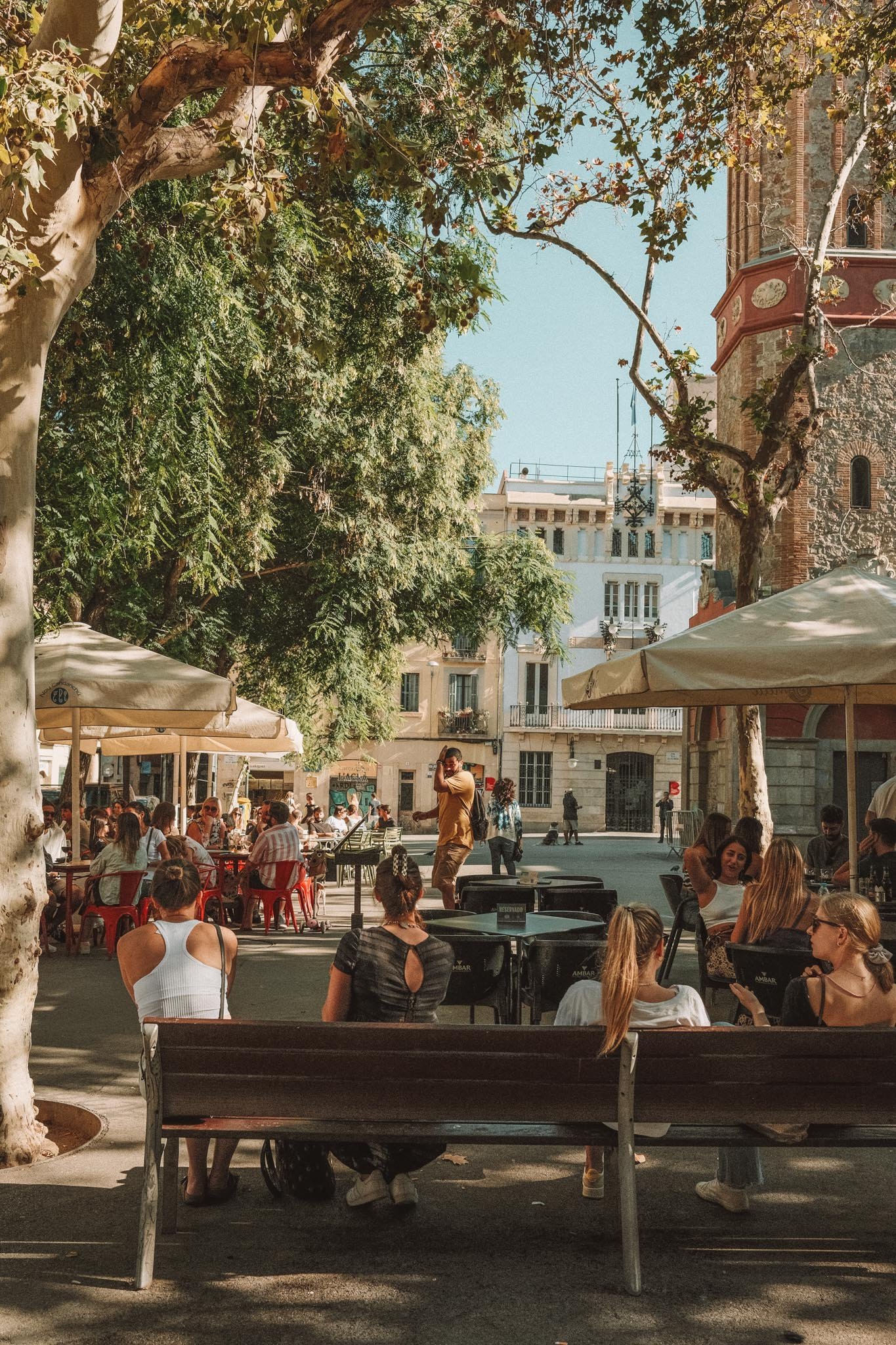
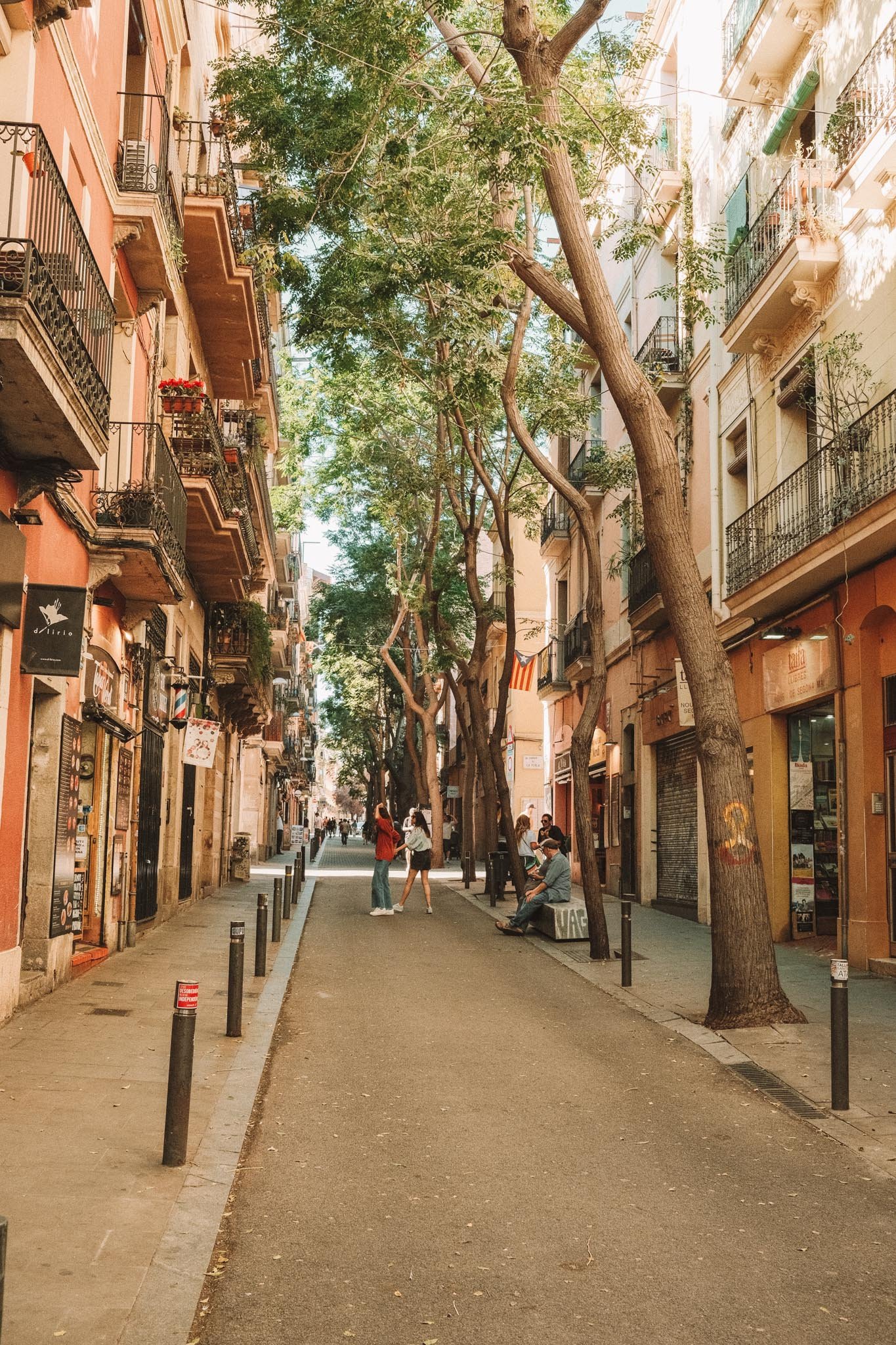
The honest take: Gràcia is where Barcelonans in their 20s and 30s actually live. It's a former independent town that was absorbed by the city in the 19th century and still behaves like it has its own personality. Plaza del Sol, Plaza de la Virreina, Plaza de la Fontana — these are neighborhood squares where people sit, kids play, and nobody is performing for tourists.
What nobody tells you: Gràcia is slightly uphill from the rest of the city (not dramatic, but you'll notice it after a long day). The metro connections are good but not quite as dense as Eixample. And the hotel options are thinner, this is more of an apartment neighborhood.
What is the best part of Gràcia to stay in?
For visitors, I'd focus on Vila de Gràcia, especially the streets around Fontana, Plaça de la Virreina, and Plaça de la Vila de Gràcia.
Gràcia is full of independent shops, cafés, restaurants, and small squares where neighborhood life happens throughout the day. It's a great choice if you like spending time somewhere rather than simply using your hotel as a place to sleep.
But don't assume every square is quiet. Plaça del Sol, for example, is a popular gathering place, and noise can carry into nearby apartments and hotel rooms at night.
For transport, staying within walking distance of Fontana or Diagonal makes exploring the rest of Barcelona easier.
Local tip: Gràcia is especially lovely for a longer stay, but if your itinerary is packed with Gothic Quarter attractions, waterfront activities, and late dinners across the city, Eixample will probably be more convenient.
Who it's for: Slow travelers, repeat Barcelona visitors, anyone who wants to feel like a temporary local, digital nomads staying for a week+.
Who should look elsewhere: First-timers who want to maximise sightseeing efficiency. You'll spend more time commuting to the Gothic Quarter.
Where to stay in Gràcia:
Hotel Casa Fuster (Passeig de Gràcia, 132, on the border of Gràcia/Eixample) — A beautiful five-star hotel in a historic Modernista building at the top of Passeig de Gràcia. It's an excellent choice if you want luxury accommodation with easy access to Gràcia's restaurants and neighborhood squares. Just know that you're staying on a major avenue rather than in the heart of Gràcia's quieter, village-like streets. Book here →
Casa Bella Gracia by Aspasios (Carrer de Sant Agustí, 4) — A small, contemporary boutique hotel with thoughtfully designed rooms and a shared rooftop terrace. Rooms are relatively compact, and the property uses a largely self-service check-in system, so it's better suited to independent travelers than those looking for a full-service hotel. Book here →
Hotel La Casa del Sol (Plaça del Sol, 23) — Located directly on Plaça del Sol, this intimate hotel puts you in the middle of Gràcia's neighborhood life, with restaurants, cafés, and lively terraces right outside. Just keep in mind that Plaça del Sol can get noisy in the evenings, especially on weekends, so it's not my first choice for light sleepers. Book here →
4. Sant Antoni — Best for Food Lovers and a Relaxed Local Atmosphere
Sant Antoni is a great option if you want to stay somewhere central without being surrounded by Barcelona's busiest tourist attractions. Just next to Eixample and El Raval, it's known for its café culture, restaurants, and laid-back neighborhood atmosphere.
The area around Carrer del Parlament and Carrer del Comte Borrell has become particularly popular for brunch, coffee, and casual dining. At the center of the neighborhood is Mercat de Sant Antoni, a historic market that reopened in 2018 after a major renovation.
The honest take: Sant Antoni is convenient, walkable, and well-connected, but I wouldn't necessarily choose it over Eixample for a first visit. It doesn't have the same concentration of beautiful architecture, luxury hotels, or major attractions. What it does offer is a more residential atmosphere while keeping you within easy reach of the historic center.
What nobody tells you: Sant Antoni has become increasingly popular, and some of its best-known streets can get quite busy, particularly around brunch spots and outdoor terraces on weekends. It's also not a neighborhood with a huge selection of hotels, so accommodation options can be limited compared to Eixample.
Who it's for: Food lovers, repeat visitors, couples, and travelers who prefer cafés and neighborhood restaurants over major tourist attractions right outside their hotel.
Who should look elsewhere: First-time visitors who want to be close to Barcelona's most iconic architecture, travelers looking for luxury accommodation, or anyone who wants to stay near the beach.
Where exactly should you stay? Look around Carrer del Parlament, Carrer del Comte Borrell, or toward Gran Via for convenient access to public transport. If you're a light sleeper, check whether your room faces a busy street or restaurant terrace.
Local tip: Sant Antoni is worth exploring even if you don't stay here. It's an easy neighborhood to visit for coffee, lunch, or dinner, particularly if you're already spending time in Eixample or Poble-sec.
Where to stay in Sant Antoni:
Antiga Casa Buenavista (Rda. de Sant Antoni, 84) — A beautifully restored boutique hotel on the border of Sant Antoni and El Raval, with stylish interiors and an excellent location for exploring central Barcelona. It's a particularly good choice for couples who appreciate thoughtful design and want to be within walking distance of Sant Antoni's cafés, restaurants, and market. Book here →
Villa Emilia (Rda. de Sant Antoni, 84) — A charming four-star boutique hotel with contemporary interiors, a rooftop terrace, and a cozy bar. Located near Rocafort metro, it's slightly removed from the busiest parts of Sant Antoni but still convenient for exploring the neighborhood. A good option if you prefer a quieter hotel atmosphere without sacrificing easy access to restaurants and public transport.
Found the right neighborhood? Now find the places worth visiting.
Choosing where to stay is only the beginning. I've put together my favorite Barcelona restaurants, cafés, attractions, hidden gems, and walking routes in my Ultimate Barcelona Guide.
It includes a Google Saved Map with 400+ places, so you can open it while exploring and see what's worth visiting nearby, wherever you decide to stay.
5. Poblenou — Best for Beach Access + a Quieter Stay
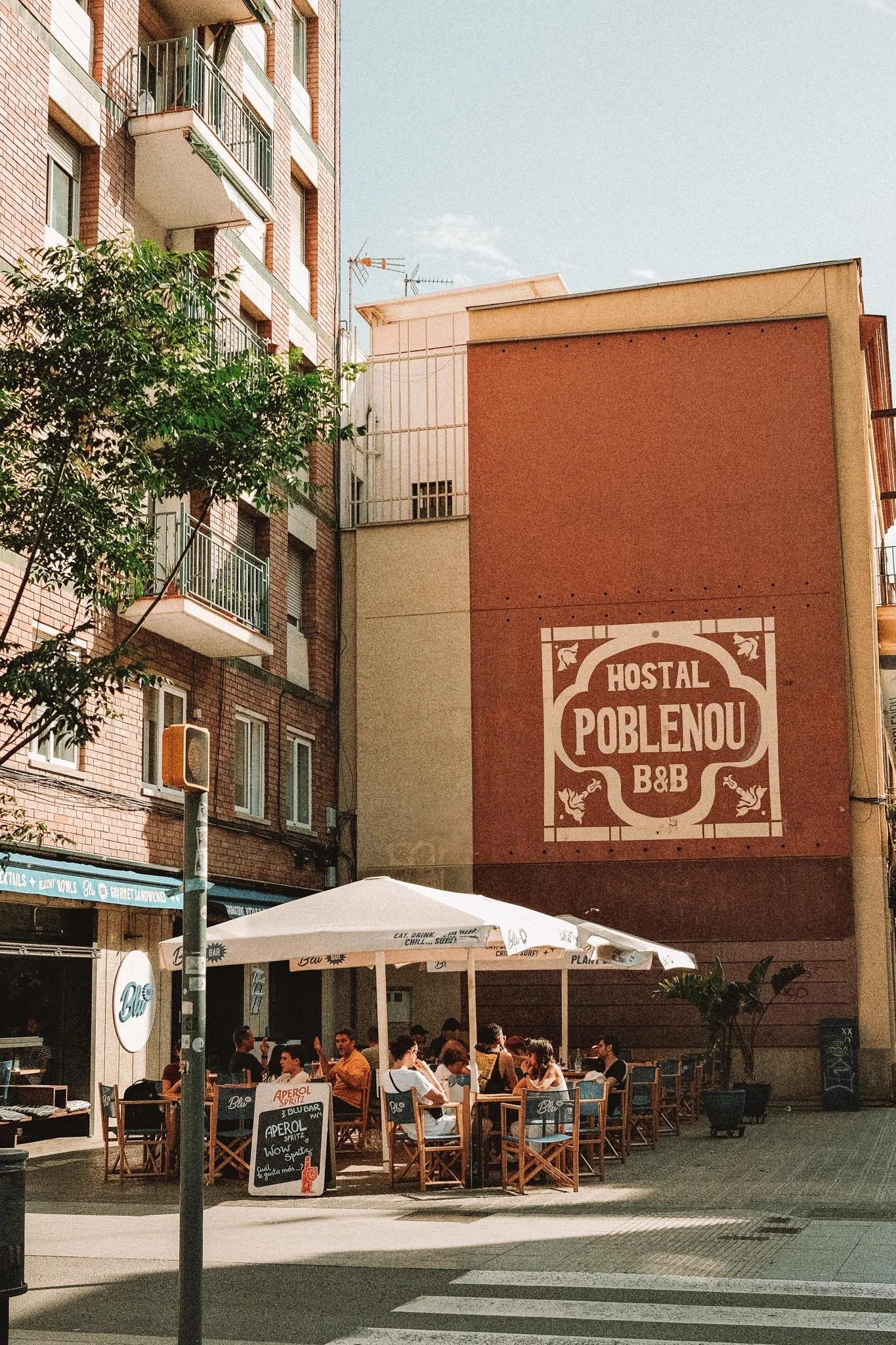
The honest take: Poblenou was Barcelona's industrial waterfront, factories, warehouses, working class history. The 22@ tech district redevelopment brought design studios and coworking spaces; the beach end brought hotels and visitors. The result is a genuinely interesting mix of old and new that feels nothing like the tourist centre.
What nobody tells you: Poblenou is further from the Gothic Quarter and Eixample than it looks on a map, about 25 minutes on foot or 10 minutes on the metro (L4). For beach holidays it's excellent. For sightseeing-heavy trips, you'll be commuting.
Where should you stay in Poblenou for the beach?
Poblenou is one of the neighborhoods where the exact location of your hotel really matters.
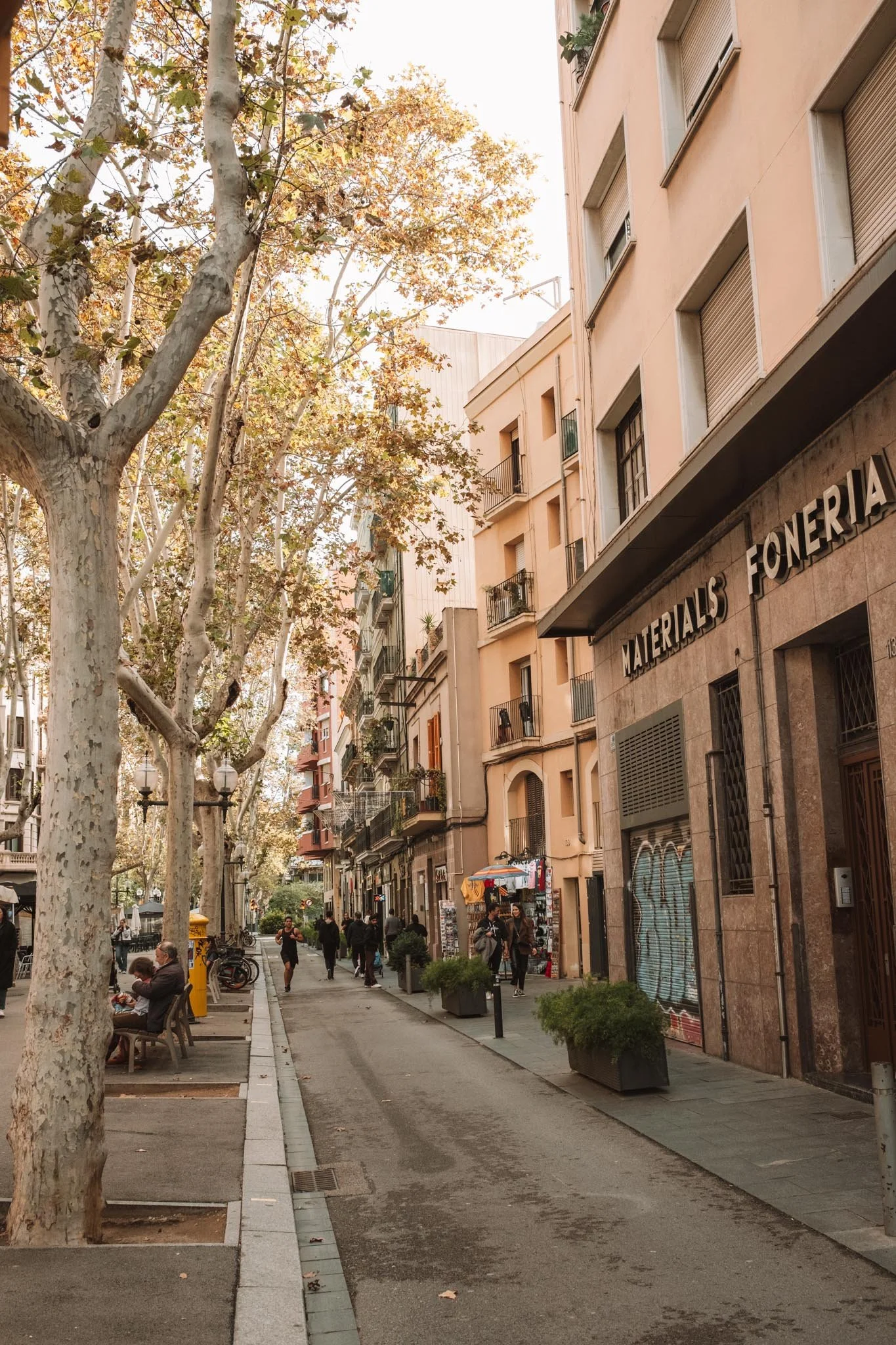
If you're visiting for the beach, look closer to Rambla del Poblenou and the streets leading toward Bogatell Beach. You'll have cafés, restaurants, and a more residential atmosphere than the beachfront around Barceloneta.
If you're staying near Plaça de les Glòries or the 22@ business district, you'll be closer to offices and modern developments, but not necessarily as close to the beach as the hotel description might suggest.
Poblenou is particularly appealing for travelers who want to combine beach mornings with exploring Barcelona, although you'll need to allow extra time to reach attractions such as Park Güell and Montjuïc.
Local tip: Check walking distance to both the beach and an L4 metro station. A hotel can look close to the sea on a map while still being an inconvenient base for sightseeing.
Who it's for: Beach-focused visitors, design crowd, anyone who wants to be near the sea without the chaos of Barceloneta.
Where to stay in Poblenou:
Paxton Barcelona — A contemporary four-star hotel with stylish interiors, comfortable rooms, and a rooftop pool. Located near Llacuna metro station and around a 10-minute walk from Bogatell Beach, it's a good choice for couples who want to enjoy Poblenou's restaurants and more relaxed atmosphere without being too far from the city center. The hotel also has a restaurant and bar, making it a convenient base for a beach-focused Barcelona trip. Book here →
Acta Voraport — A modern hotel in Poblenou with a rooftop infinity pool offering panoramic views of Barcelona and the Mediterranean. It's within walking distance of Rambla del Poblenou, where you'll find plenty of cafés and restaurants, and approximately 10–13 minutes from Bogatell Beach. A good option for travelers who want easy beach access, comfortable accommodation, and convenient metro connections without staying in the busiest parts of central Barcelona. Book here →
The Hoxton Poblenou — A stylish design hotel near Plaça de les Glòries, with a rooftop pool, restaurants, and a contemporary atmosphere. It's a good choice if you love design hotels and want to explore a different side of Barcelona. However, it's not in the beachside part of Poblenou, so I'd choose accommodation closer to Rambla del Poblenou if beach access is your priority. Book here →
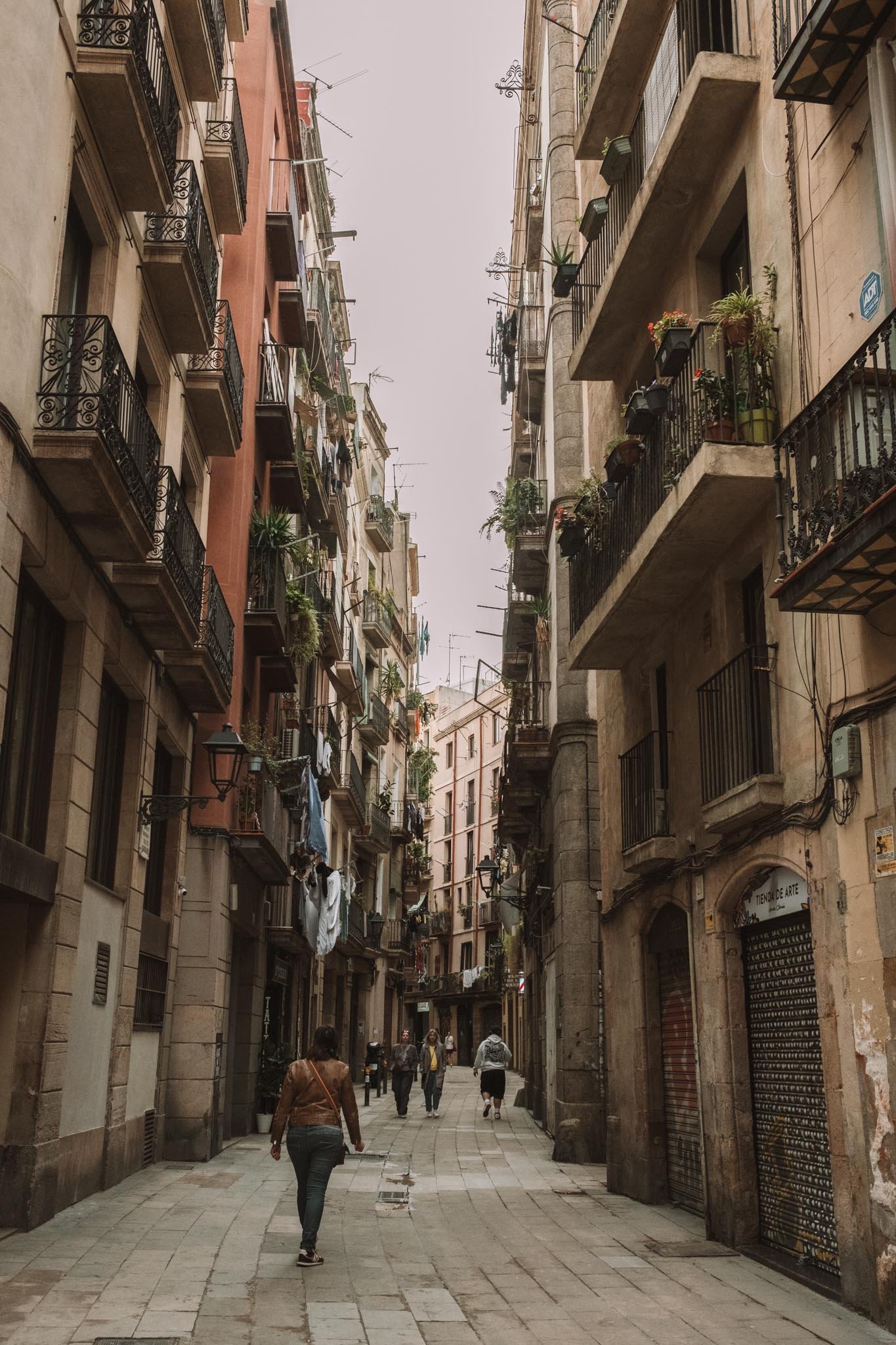
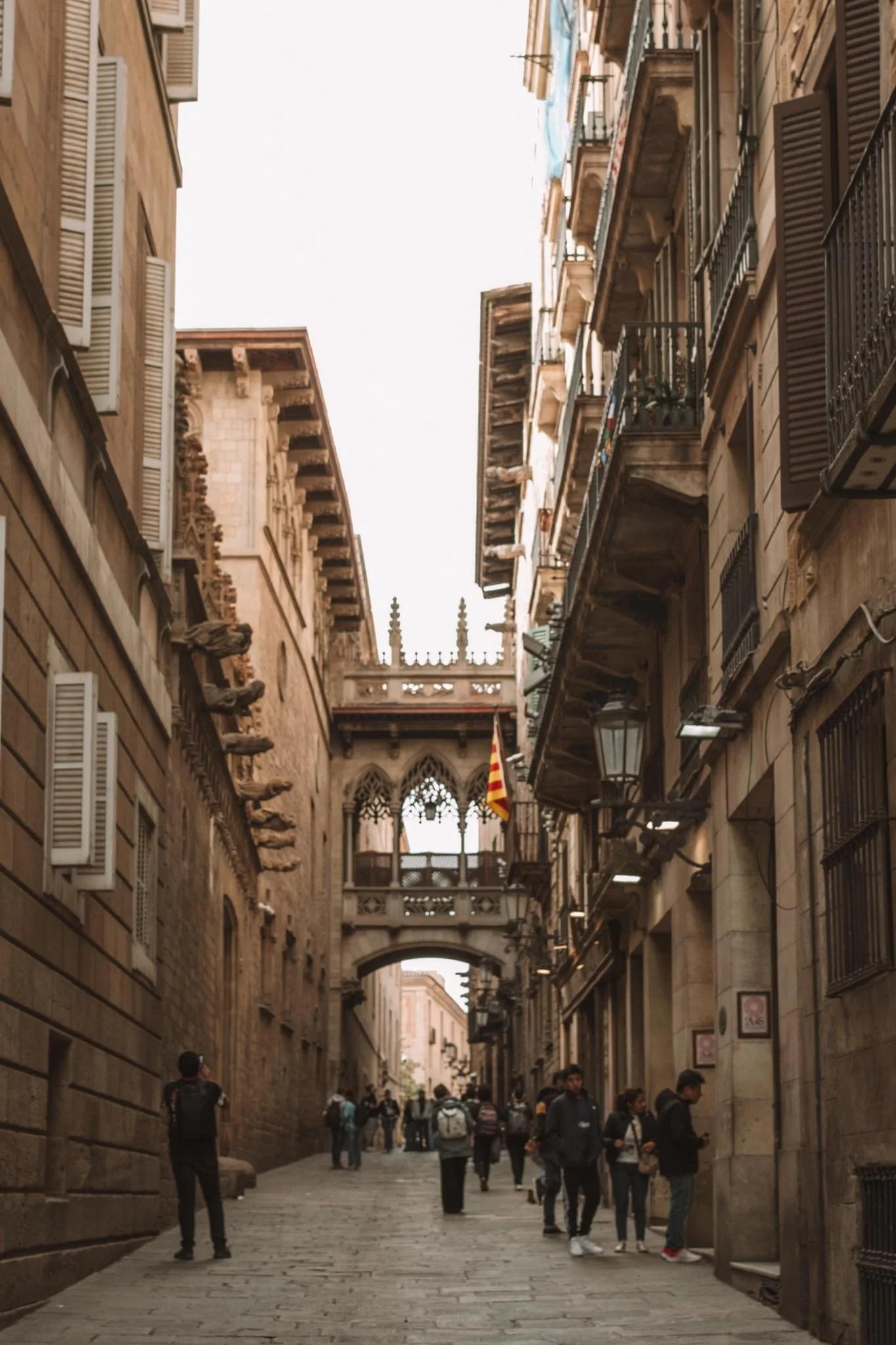
6. Gothic Quarter (Barri Gòtic) — The Most Central, But With Caveats
The honest take: The Gothic Quarter is the historic heart of Barcelona, Roman walls, medieval lanes, the Cathedral, proximity to everything. It is also one of the most heavily touristed areas in Europe. Las Ramblas, which borders it, is where pickpockets work and where every restaurant is a tourist trap.
What nobody tells you: I'd only recommend staying here if you can get a hotel on a quieter street away from Las Ramblas. The area around Plaça de Sant Jaume and the Cathedral has more character. But if your hotel is near Las Ramblas: noise all night, €4 bottled water, and a lower chance of wandering into something genuinely local.
Is the Gothic Quarter a good place to stay in Barcelona?
It can be, but it's not my first recommendation for most visitors.
The Gothic Quarter is beautiful, and walking through its medieval streets early in the morning is one of the pleasures of Barcelona. But the neighborhood changes throughout the day as tour groups, shoppers, and nightlife crowds arrive.
I'd be especially careful about booking along La Rambla or directly above busy restaurants and bars.
For sightseeing, the area around Barcelona Cathedral and Plaça de Sant Jaume is convenient, but even there, I'd read recent hotel reviews specifically mentioning nighttime noise.
If you're arriving by taxi, also check how far you'll need to walk with your luggage. Much of the historic center has restricted vehicle access.
Local tip: Don't confuse being in the historic center with being close to everything. Barcelona's major sights are spread across several neighborhoods, and Eixample can be a better base for seeing them all.
Who it's for: People who want to be walking distance from absolutely everything, don't mind tourist-density, and are booking a central hotel for a very short stay.
Who should look elsewhere: Anyone who wants to sleep past 2am, anyone who wants to eat like a local.
Where to stay in the Gothic Quarter:
Mercer Hotel Barcelona — A beautiful five-star boutique hotel tucked into one of the Gothic Quarter's historic streets, just a short walk from Barcelona Cathedral. Set within restored medieval buildings that incorporate parts of the city's ancient Roman walls, the hotel combines historic architecture with understated contemporary luxury. There's also a lovely courtyard with orange trees and a rooftop pool. Book here →
Hotel Neri — An elegant five-star Relais & Châteaux hotel hidden near Plaça de Sant Felip Neri, one of the Gothic Quarter's most beautiful little squares. Housed in historic buildings, including a medieval palace, it combines original architectural details with sophisticated interiors and a peaceful atmosphere. Keep in mind that the surrounding streets are largely pedestrianized, so you may need to walk a short distance with your luggage when arriving by taxi - but it’s worth it! Book here →
The Wittmore — One of the best boutique hotels in Barcelona full stop. Adults-only, beautiful interiors, rooftop pool, right in the heart of the neighborhood. Book well in advance. Book here →
H10 Madison — Solid option in the Gothic Quarter. Central, well-reviewed, avoids the worst of the Las Ramblas chaos. Book here →
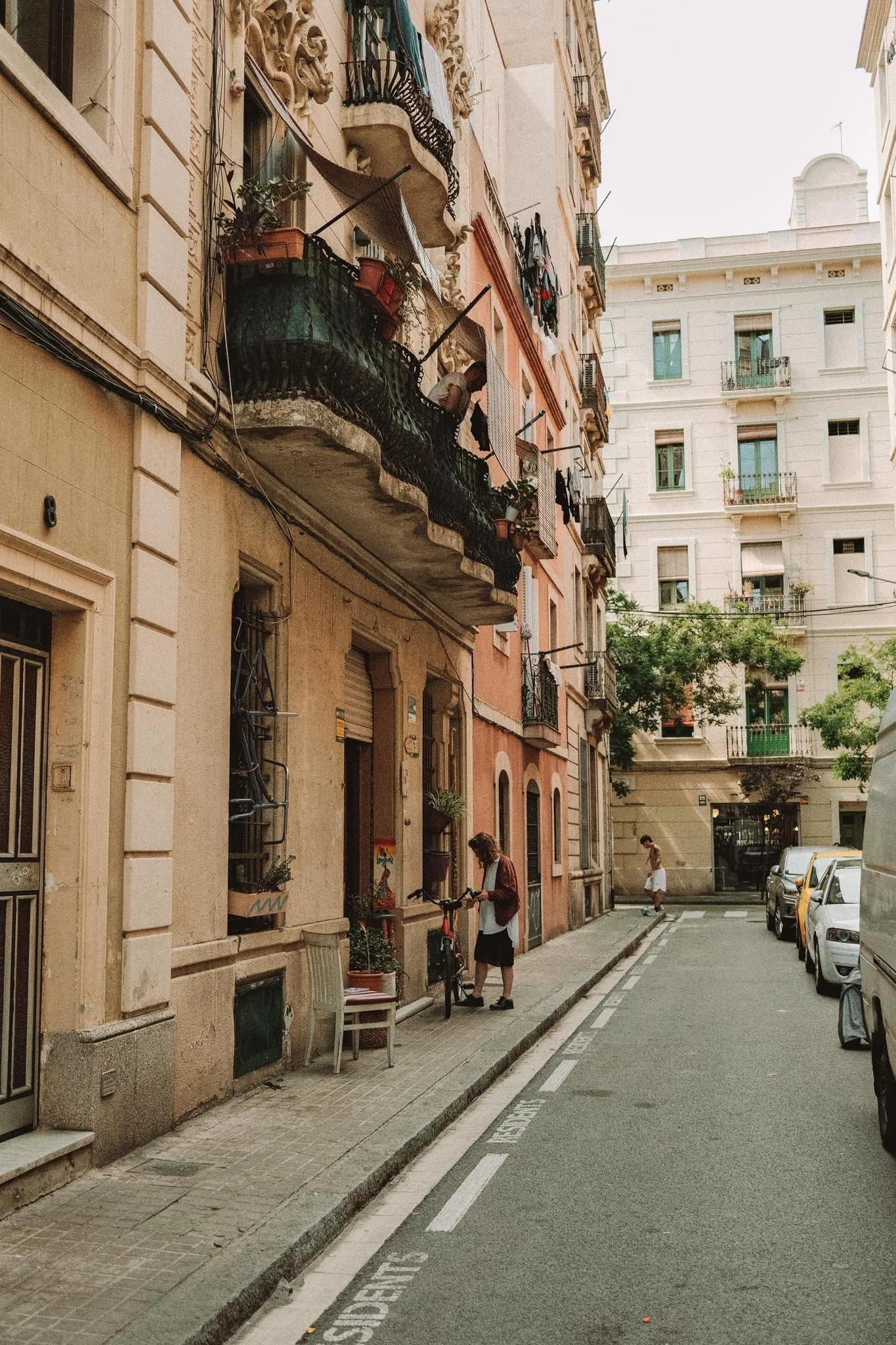
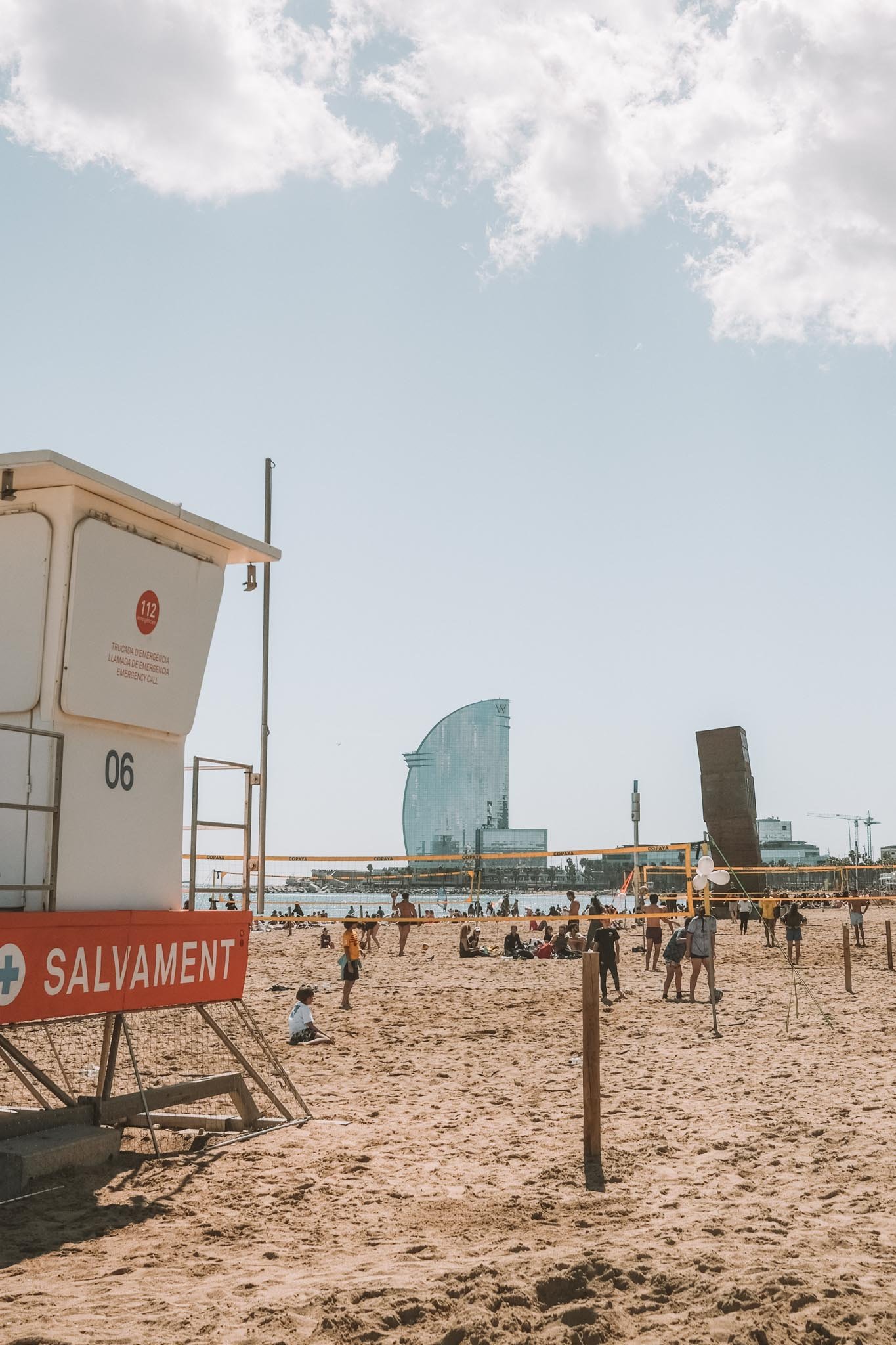
7. Barceloneta — Only If You're Here for the Beach
The honest take: Barceloneta is Barcelona's beach neighborhood — narrow grid streets, chiringuitos, seafood restaurants, and a beach that's genuinely good. It's also the area with the highest density of stag dos, package holidaymakers, and lost tourists. If you're here to lie on the beach and eat paella, great. If you want to experience Barcelona's real character, it's not here.
What nobody tells you: Barceloneta is loud in summer. The beach itself gets very crowded in July and August. And the seafood restaurants on the promenade are overpriced — walk one block inland for the same dish at half the price.
Should you stay in Barceloneta or Poblenou?
For most travelers who want beach access, I'd choose Poblenou.
Barceloneta is closer to the historic center and has a lively seaside atmosphere, but it's also one of Barcelona's busiest beach areas, particularly during summer weekends.
Poblenou offers more breathing room, wider streets in many areas, and a better balance between residential life and beach access.
That doesn't mean Barceloneta isn't worth visiting. Its history as a former fishing neighborhood, seafood restaurants, and proximity to the waterfront make it an important part of Barcelona.
I just wouldn't automatically choose it as a hotel base.
Local tip: If you stay in Barceloneta, check whether your accommodation is above a restaurant or bar and whether the room has adequate soundproofing. A sea-facing location doesn't guarantee a quiet night.
Where to stay in Barceloneta:
Sofitel Barcelona Skipper — A five-star hotel near Barceloneta Beach, with two swimming pools, and a rooftop terrace overlooking the Mediterranean. Located on the Vila Olímpica side of the beachfront, it's a great choice for couples and travelers who want a more luxurious seaside stay without being directly in Barceloneta's narrow, busy streets. It's also within walking distance of Parc de la Ciutadella and the waterfront restaurants around Port Olímpic. Book here →
8. Poble-sec — Best for Food, Nightlife, and Montjuïc
Best for: Food lovers, couples, repeat visitors, and travelers planning to explore Montjuïc.
Atmosphere: Residential, lively, and less polished than Eixample.
Top landmarks: Montjuïc, Teatre Grec, and the nearby Paral·lel theater district.
Nearest metro: Poble Sec (L3) and Paral·lel (L2/L3).
The honest take: Poble-sec doesn't get nearly as much attention in Barcelona accommodation guides as Eixample or El Born, but it's worth considering if you want good restaurants, neighborhood bars, and easy access to Montjuïc.
Carrer de Blai is known for its bars and terraces, while the smaller streets around it have a more residential feel. You're also close to the theaters and music venues around Paral·lel.
The location works particularly well if you plan to visit the Joan Miró Foundation, MNAC, or Montjuïc's gardens. Getting to the Gothic Quarter and Eixample is straightforward by metro.
What nobody tells you: Poble-sec changes quite a bit from street to street. Accommodation close to Paral·lel can be convenient but exposed to traffic noise. Streets climbing toward Montjuïc can be quieter, although you'll notice the uphill walk.
And while Carrer de Blai is fun for an evening out, I wouldn't automatically choose a room directly above its busiest terraces.
Who it's for: Couples, food-focused travelers, repeat visitors, and anyone who wants a less conventional base without being far from the center.
Who should look elsewhere: First-time visitors who want to walk to most major attractions, or travelers looking for Barcelona's most luxurious hotels.
Where exactly should you stay? I'd look around the streets between Avinguda del Paral·lel and the lower slopes of Montjuïc, ideally within walking distance of Poble Sec or Paral·lel metro stations.
Local tip: Poble-sec is a good option if you want to spend an evening around Paral·lel or explore Montjuïc without crossing the city. Just remember that being close to Montjuïc doesn't mean every attraction on the hill is a short, flat walk away.
Where to stay in Poble Sec:
Hotel Brummell — A stylish boutique hotel tucked away near the foot of Montjuïc, with just 20 rooms, thoughtfully designed interiors, a small outdoor pool, and a lovely courtyard. It has a relaxed atmosphere that feels different from Barcelona's larger city hotels, while still being within walking distance of Poble-sec's restaurants and Paral·lel metro station. Keep in mind that the walk back from the metro is slightly uphill. Book here →
INNSiDE by Meliá Barcelona Apolo — A contemporary four-star hotel on Avinguda del Paral·lel, just steps from the metro and close to Poble-sec's restaurants, theaters, and nightlife. The location makes it easy to explore both Montjuïc and Barcelona's historic center. Since it's on a busy avenue, I'd recommend requesting a room away from the street if you're sensitive to noise. Book here →
Neighborhoods to Avoid (or Approach with Caution)
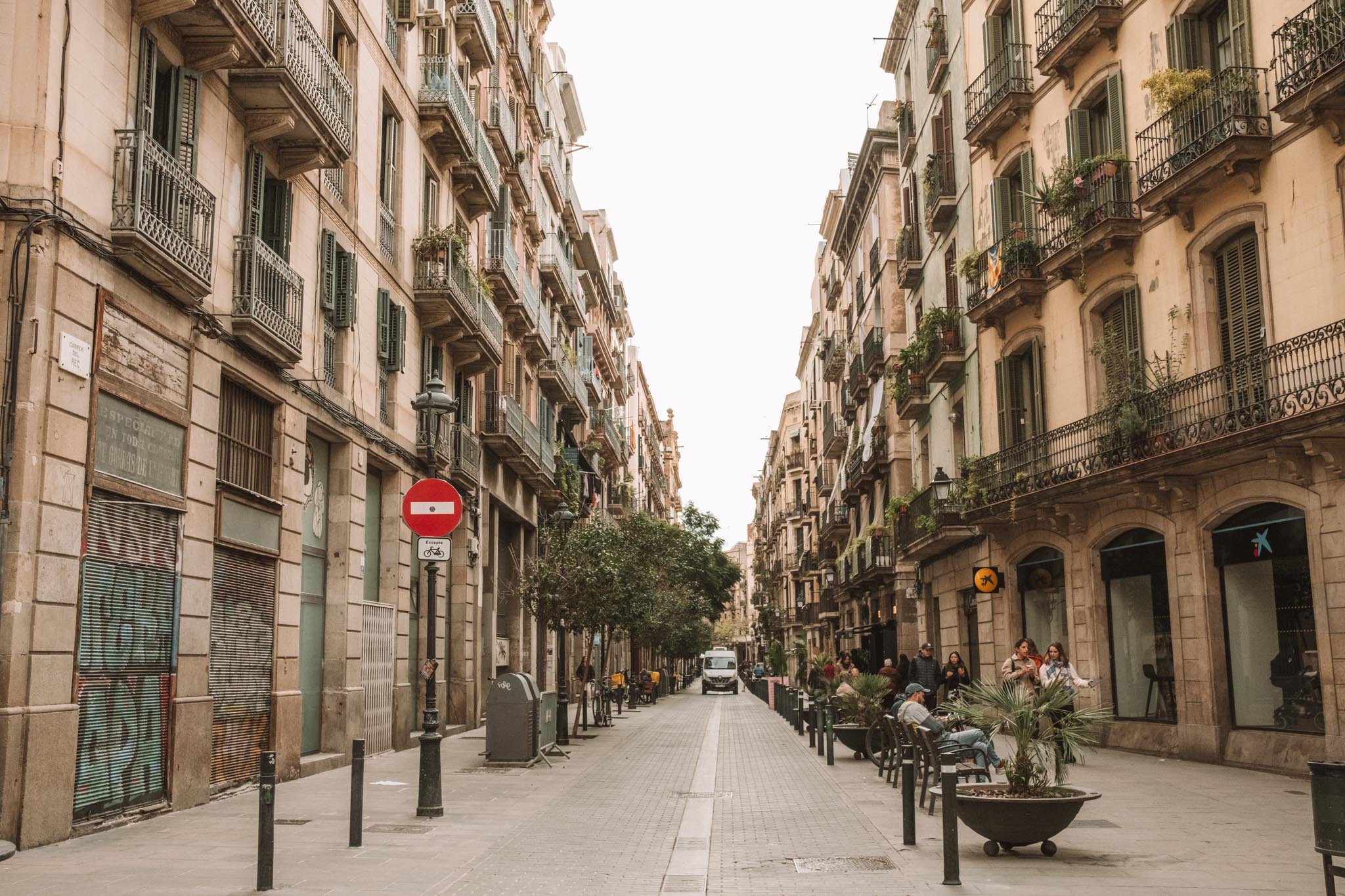
El Raval: Improving rapidly and has genuine cultural gems (MACBA, the Boqueria adjacent streets, some great restaurants). But certain streets, especially toward the southern end near Drassanes, still have a persistent petty crime problem and feel uncomfortable to walk late at night. If you stay here, research your specific street.
Near the Sants train station: Convenient for arrivals and departures, but not a destination neighborhood. Fine if your priority is transport.
Any hotel that describes itself as "next to Las Ramblas": I'm not saying don't visit Las Ramblas — do, once, during the day. I am saying don't base yourself there.
Is Barcelona Safe? Neighborhood Safety Tips for 2027
Barcelona is generally a safe city to visit, but petty theft is something travelers should take seriously, especially in busy tourist areas.
The biggest concern for most visitors isn't violent crime. It's pickpocketing and opportunistic theft in crowded streets, on public transport, at restaurant terraces, and around popular attractions.
Living here, I wouldn't avoid the Gothic Quarter, El Born, or Barceloneta because of safety concerns alone. I visit these neighborhoods regularly. But I would be more careful with my belongings in crowded areas and more selective about where I book accommodation.
Which Barcelona neighborhoods are safest for tourists?
For first-time visitors who want a comfortable and relatively straightforward base, I'd recommend Eixample, particularly the streets around Rambla de Catalunya and Passeig de Gràcia.
Gràcia, Sant Antoni, and residential parts of Poblenou are also good options, especially if you prefer to stay away from the busiest tourist streets.
However, no neighborhood is completely free from theft, and safety can vary from street to street.
Is the Gothic Quarter safe at night?
The Gothic Quarter is busy well into the evening, particularly around restaurants, bars, and nightlife areas. Many visitors walk around without problems, but its narrow streets and heavy tourist traffic make it important to stay aware of your surroundings.
I'd choose a hotel on a well-trafficked street with a staffed reception and good recent reviews rather than booking the cheapest accommodation on an unfamiliar side street.
Is Poble-sec safe for solo travelers at night?
Poble-sec is a residential neighborhood with restaurants, bars, and nightlife, particularly around Carrer de Blai and Paral·lel.
For solo travelers, I'd prioritize accommodation close to a metro station, on a well-lit street, and with recent reviews mentioning the surrounding area.
The same advice applies across Barcelona: avoid assuming that an entire neighborhood is either safe or unsafe based on its reputation.
How to avoid pickpockets in Barcelona
A few precautions can make a big difference:
Keep your phone and wallet in a zipped bag, especially on the metro and in crowded areas.
Don't leave your phone on restaurant tables, particularly outdoor terraces.
Keep bags in front of you on busy public transport.
Be especially attentive around La Rambla, major attractions, beaches, and transport hubs.
Avoid leaving valuables unattended on the beach, even for a quick swim.
Use licensed taxis or established ride-booking services when traveling late at night if you're uncomfortable walking.
My biggest recommendation is to be aware of your surroundings without letting fear dictate your trip. Barcelona is a wonderful city to explore on foot, including in the evenings.
A Note on Booking
Barcelona is one of Europe's most popular cities. The good hotels — especially boutique properties in El Born and design hotels across Eixample — fill up weeks or months in advance during peak season (June–September, Easter, New Year).
Book as early as you can. The good rooms go first.
Where to Stay Based on Who You're Traveling With
Solo traveller: El Born or Eixample. El Born for energy and meeting people; Eixample if you want a quieter base you can explore from. Sant Antoni is worth considering for a longer stay - the coffee shop culture is excellent for working or slow mornings.
Couple: El Born is the classic romantic choice - the streets, the cocktail bars, Santa Maria del Mar. Gràcia works well for couples who want something quieter and more neighborhood-y. For a luxury splurge, Eixample's hotel stock is unmatched.
Family with young children: Eixample, and specifically the quieter streets toward the Universitat end. Wide pavements, good metro access, less late-night noise than the old city. Poblenou is also worth considering if beach time is a priority - it's calmer than Barceloneta and has more space.
Group of friends: An apartment in Eixample or El Born beats multiple hotel rooms on both price and experience. Living together in a neighborhood apartment is part of the Barcelona trip. Book early - the good ones go fast.
Business travel: Eixample, full stop. The city's main business hotels are here, metro connections are strong, and you're close to the Passeig de Gràcia restaurants that work for client dinners.
Where to Stay in Barcelona for Festivals in 2027
Barcelona hosts major music festivals and neighborhood celebrations throughout the year. If you're visiting during one of these events, choosing the right accommodation can save you a considerable amount of travel time.
Where to stay for Primavera Sound 2027
Dates: June 3–5, 2027
Location: Parc del Fòrum
If you're coming to Barcelona primarily for Primavera Sound, I'd look at hotels around Diagonal Mar, Poblenou, or the Fòrum area.
These neighborhoods put you closer to the festival grounds, which is especially convenient when you're leaving after a long evening of concerts.
However, if you also want to spend several days exploring Barcelona, Poblenou offers a better balance between festival access, restaurants, the beach, and neighborhood life.
Eixample is another option if sightseeing and hotel choice matter more to you than being close to the festival. Just plan your late-night journey back in advance, as public transport schedules and festival services can vary.
My recommendation: Stay near Poblenou or Diagonal Mar if the festival is the main reason for your trip. Choose Eixample if Primavera Sound is only part of a longer Barcelona holiday.
Where to stay for Festa Major de Gràcia 2027
When: August — confirm the official 2027 program before booking.
Every August, Gràcia celebrates one of Barcelona's most beloved neighborhood festivals. Residents transform streets with elaborate handmade decorations, and the neighborhood fills with concerts, activities, and celebrations.
It's a fantastic time to experience Gràcia, but not necessarily the best time to sleep in the middle of it.
If you want to enjoy the festival without dealing with the noise directly outside your bedroom, I'd consider staying around the Diagonal end of Eixample or on the quieter edges of Gràcia.
My recommendation: Visit Gràcia for the festival, but book accommodation slightly outside the busiest decorated streets if you're a light sleeper.
Where to stay for Festa Major de Sants 2027
When: Late August — confirm the official 2027 program before booking.
Sants hosts its own neighborhood festival, with decorated streets, concerts, and community events.
It's less internationally famous than Festa Major de Gràcia, making it an interesting addition to a summer itinerary.
If you're planning to attend, staying around Sants or Plaça d'Espanya can be convenient. However, I wouldn't choose accommodation directly on a street hosting late-night celebrations unless you plan to join them.
For travelers who want to explore Barcelona beyond the festival, Eixample remains a practical base with good transport connections.
Local tip: Barcelona's neighborhood festivals aren't just tourist attractions. They're organized by local communities, so be respectful of residents, decorations, and residential streets.
Frequently Asked Questions
What is the best area to stay in Barcelona for tourists?
Eixample is the most practical: central, safe, walkable, and close to major sights. El Born is better if atmosphere matters more to you than convenience.
Is it safe to stay in the Gothic Quarter?
Yes, but with caveats. Stick to streets away from Las Ramblas, be aware of pickpockets in crowded areas, and choose your hotel carefully. The area around the Cathedral and Plaça de Sant Jaume is nicer than the Las Ramblas end.
Where should I stay in Barcelona to avoid tourists?
Gràcia and Sant Antoni are where locals actually live and socialise. You won't escape tourists entirely, but you'll experience a version of the city that most visitors miss.
Is Eixample or Gothic Quarter better for first-timers?
Eixample. The Gothic Quarter's central location doesn't compensate for the noise, crowds, and tourist-trap restaurants. Eixample gives you easy access to everything while actually letting you sleep.
What areas should I avoid in Barcelona?
Avoid staying near Las Ramblas. Be cautious about the southern end of El Raval. Don't let a hotel's proximity to the Boqueria market be a selling point — the market is interesting; the surrounding streets at night less so.
Is Poblenou worth staying in?
Yes, if you want beach access and a more relaxed pace. It's further from the Gothic Quarter/Eixample sights, so factor in commute time on sightseeing days.
What about staying outside Barcelona — Hospitalet, Badalona, Sant Adrià?
You'll find cheaper hotels here, but I'd only recommend it if you've genuinely exhausted all options in the city. These areas are very quiet, no good restaurants within walking distance of most hotels, and you'll be on the metro every single day. The savings on accommodation often get eaten by time. If budget is the real constraint, I'd rather you find a cheaper hostel or apartment in Eixample or El Born than a "hotel" in Hospitalet.
What is the best neighborhood to stay in Barcelona for the first time?
Eixample is my top recommendation for first-time visitors because of its central location, excellent transport connections, restaurants, and hotel selection. I particularly like the area around Rambla de Catalunya and Passeig de Gràcia.
Is it better to stay in Eixample or El Born?
Choose Eixample if you prioritize convenience, comfortable hotels, and easy access to major attractions. Choose El Born if you prefer medieval streets, lively restaurants, and a more atmospheric setting. El Born tends to be noisier at night.
Where should families stay in Barcelona?
Eixample and Poblenou are my preferred neighborhoods for families. Eixample is practical for sightseeing, while Poblenou offers more space and easy access to the beach. Gràcia can also work well for families who prefer a residential atmosphere.
Where should couples stay in Barcelona?
El Born is a lovely choice for couples who enjoy restaurants, historic streets, and evening walks. For a luxury hotel experience, I'd choose Eixample, particularly around Passeig de Gràcia. Gràcia is another good option for a more relaxed stay.
Should I stay near La Rambla in Barcelona?
I wouldn't make La Rambla my first choice for accommodation. It's central, but the crowds, tourist-focused restaurants, and potential street noise make other neighborhoods more appealing. Eixample offers excellent access to the historic center without putting you directly in the busiest tourist area.
Is Barcelona walkable for tourists?
Yes. Many of Barcelona's main neighborhoods are enjoyable to explore on foot, particularly Eixample, El Born, and the Gothic Quarter. However, attractions such as Park Güell, Montjuïc, and the beaches are spread across the city, so you'll probably use public transport during your trip.
How far in advance should I book a hotel in Barcelona?
For popular travel periods, including Easter, summer, and major festivals, I'd start comparing hotels several months in advance. Boutique hotels and well-located rooms can become expensive as availability decreases. Booking early is especially worthwhile if you have specific requirements, such as a quiet room, family accommodation, or a rooftop pool.
Getting Around: Metro Lines by Neighborhood
Barcelona's metro is excellent and cheap (a T-Casual 10-trip card costs around €11.35). Most central neighborhoods are well served - here's what you need to know:
Eixample: Served by L2, L3, L4, and L5 - the most connected neighborhood in the city. Passeig de Gràcia station alone serves three lines.
El Born / Gothic Quarter: L4 (Barceloneta, Jaume I, Urquinaona). Most of Ciutat Vella is walkable, so you'll use the metro mainly for longer trips.
Gràcia: L3 (Diagonal, Fontana, Lesseps). Good connections but slightly fewer options than Eixample.
Sant Antoni: L2 (Sant Antoni station). One line, but it gets you to Passeig de Gràcia in 4 minutes.
Poblenou: L4 (Llacuna, Poblenou, Selva de Mar). Direct line into the city center.
Barceloneta: L4 (Barceloneta). One stop from Barceloneta to Jaume I (Gothic Quarter).
Tip: Buy your T-Casual card at the airport or any metro station on arrival. It works across metro, bus, and some tram lines. Don't buy single tickets - the per-trip cost is nearly three times higher.
What About Staying Outside Barcelona? (Hospitalet, Badalona, Sant Adrià)
The honest answer: I'd only recommend it if you've genuinely exhausted central options and your budget allows nothing else.
Hospitalet de Llobregat (the city directly adjacent to Barcelona) has cheaper hotels - sometimes significantly cheaper. But it has nothing tourist-facing. No neighborhood character, no good restaurants within walking distance of most hotels, no reason to leave your room except to commute. And you will be commuting every single day, into and out of Barcelona, on top of all the walking a Barcelona trip already involves.
The savings on accommodation often get eaten by transit costs. More importantly, they get eaten by time and energy that you came to Barcelona to spend actually experiencing Barcelona.
My honest recommendation: If budget is the real constraint, find a hostel or a basic room in the Gothic Quarter before you book a hotel in Hospitalet. You'll thank yourself. The one exception: if you're connecting through Barcelona Airport and only staying one night before flying, the Hospitalet hotels near the L9 Sud metro line are genuinely practical.
Explore Barcelona Beyond Your Hotel
I've spent years exploring Barcelona's neighborhoods, restaurants, cafés, beaches, and lesser-known corners. My Ultimate Barcelona Guide brings those recommendations together in one place.
Inside, you'll find 400+ saved places on Google Maps, ready-to-follow itineraries, walking routes, and the practical details that make exploring Barcelona easier.
Whether you're staying in Eixample, El Born, or somewhere further from the center, you can open the map and find places worth visiting around you.