London travel guide for first-time visitors — what’s actually worth it (and what’s not)
I'll be honest with you: London took months to win me over.
I moved there following my boyfriend, settled into Notting Hill, and spent the first few weeks feeling vaguely underwhelmed. I'd lived in some of the world's great cities. I knew what a city firing on all cylinders felt like, and London wasn't quite doing it for me yet.
Then I started visiting lesser known places guided by my English boyfriend.
Islington on a Wednesday evening. Victoria Park on a grey Saturday afternoon. Hackney on a whim. And one Sunday morning: Columbia Road Flower Market in East London, a narrow street that transforms every week into something really worth getting out of bed early for. People squeezing past each other with armfuls of flowers, tiny cafes packed to the door, and somewhere in the middle of all of it, the best sausage roll I have ever eaten. My boyfriend agreed.
That's what took me almost a year to fully understand about London: it's not one place. It's dozens of neighborhoods that happen to share a tube network, and the version most visitors see is just the surface. A genuinely impressive surface, but a surface all the same.
I also made it my mission to disprove the most persistent lie in travel: that London has bad food. I expected great restaurants to be everywhere. They're not. You have to search for them. The best ones are hidden in side streets in East London, in neighborhoods that don't appear in most travel guides. I found them. And no, Dishoom, London's most hyped restaurant, is not one of them.
If you don’t want to spend hours figuring this out yourself, I’ve already mapped it all out.
This London travel guide is built on almost a year of actually living in London, not a week of sightseeing. It covers everything you need: when to go, where to stay, how to get around, what to eat, what to skip, and which neighborhoods are worth getting properly lost in.
Quick Info About London
| Currency | British Pound (GBP, £) |
| Time zone | GMT (BST, GMT+1 from late March–October) |
| Entry requirement | Valid passport + ETA required (EU, US, CA, AU and most visa-exempt citizens) |
| ETA cost | £10 per person |
| Tipping | 10–12.5% in restaurants if not included; nothing in pubs for drinks |
| Emergency number | 999 |
| Plug type | Type G — bring an adapter (US and EU plugs don't fit) |
When to Visit London (and When to Skip It)
The best time to visit London is late spring through early fall, roughly May through September. The days are long, the parks are beautiful, and the city is bussing during those months that's hard to find the rest of the year. September is a personal favorite. The summer crowds start thinning, the leaves turn golden, and you can still sit outside without regretting it.
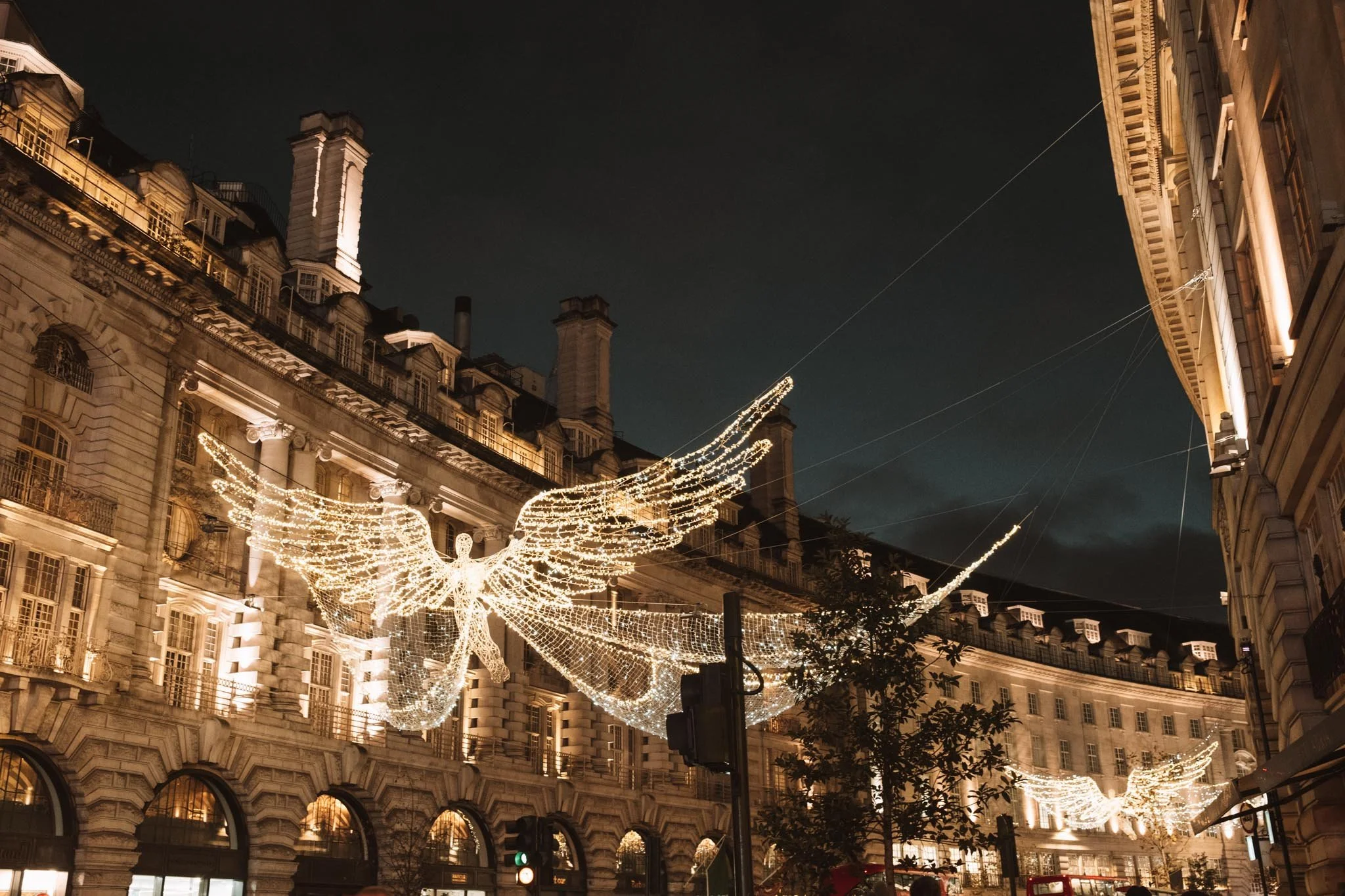
If you can only go in winter, December is the month. The Christmas lights on Oxford Street and Carnaby Street are so festive, the markets are worth an afternoon, and the city has a warmth that cuts through the cold. Just know that sunset is around 4pm, so plan your days accordingly. Get your outdoor sightseeing done in the morning and save the museums, galleries, and restaurants for when the light goes.
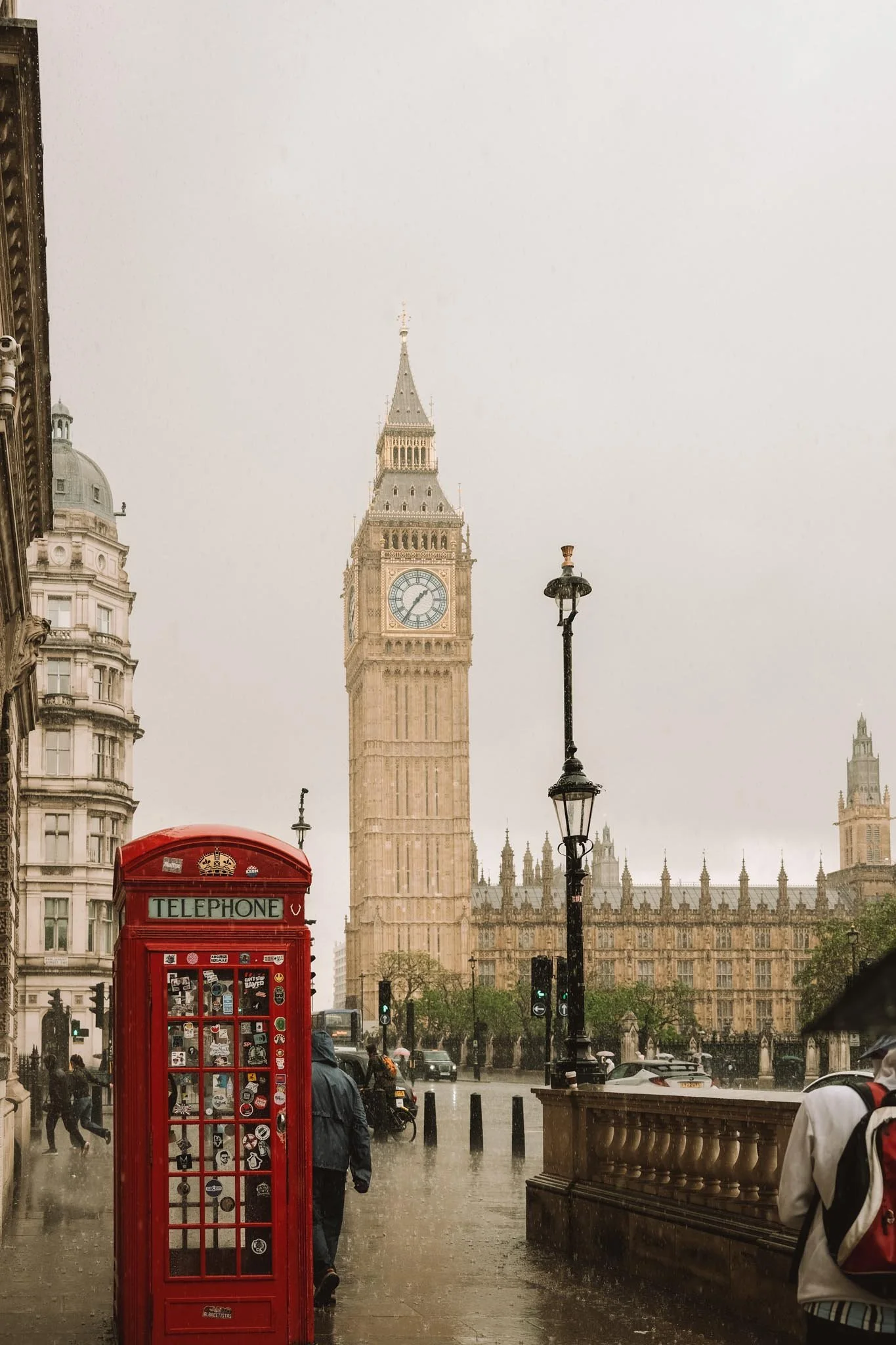
January through March is the one stretch I'd actively steer you away from unless a cheap flight is involved. Cold, grey, and London doesn't do half-measures with either.
One thing to do before you book anything else: apply for your ETA.
If you're visiting from the US, EU, Canada, Australia or most other visa-exempt countries, you now need an Electronic Travel Authorization to enter the UK. This is not a visa. It's a quick digital registration that gets linked to your passport, but airlines and Eurostar will deny you boarding without it. It costs £10 per person and is valid for two years or until your passport expires.
The fastest way to apply is through the official UK ETA app. Download it here: App Store (iPhone) / Google Play (Android). You'll scan your passport, take a photo of yourself, answer a few questions, and pay. The whole thing takes about 10 minutes. Most applications are approved within a few hours, but it can take up to three working days, so don't leave it until the night before your flight. Apply at least a week out to be safe. You can also apply without the app directly here.
One warning: there are third-party websites that charged more than the official £10 fee to "help" you apply. Only use the official app or the gov.uk website.
Getting to London
London has four main airports. Which one you land at matters more than most guides admit, because they vary wildly in terms of how easy and how expensive it is to get into the city.
Heathrow (LHR) — the best airport to arrive at
Heathrow is London's main international hub and, for most long-haul travelers, where you'll land. You have a few train options from the airport, and which one to take depends entirely on your budget and your final destination.
The Piccadilly line is the cheapest option at £5.90 with contactless or Oyster - the Oyster card is only worth getting if you don't have a contactless card or you're traveling with kids aged 11–15, who qualify for a discount. More on this in the getting around section below. The catch is time. It takes 50 to 60 minutes to reach central London, stops at every station along the way, and can get crowded with luggage during rush hour. That said, it runs every 10 minutes, serves all four terminals, and drops you directly into the tube network, which is very useful if your hotel is near a Piccadilly line stop.
The Elizabeth line is the middle ground most travelers should default to. It costs £15.50 on the day, takes around 30 minutes to Paddington, and continues east through Bond Street, Tottenham Court Road and Farringdon, so depending on where you're staying, you may not need to switch trains at all. Modern carriages, good luggage space, runs every 15 minutes. Just tap your contactless card or phone at the barrier.
The Heathrow Express is the fastest option, 15 minutes non-stop to Paddington, but costs £26 on the day. Worth it if you're running late or have a specific reason to need Paddington quickly. Otherwise the Elizabeth line covers most of the same ground for a lot less.
One practical note: Heathrow Express staff often position themselves near the ticket machines at the airport and will steer you toward the most expensive service. Know your options before you arrive.
Note: Make sure to always use the same card to tap in and out. If you don’t, you will be charge the max for the day.
Gatwick (LGW) — budget airlines, easy train link
Gatwick is the airport for most budget European flights. It's about 30 miles south of London, which sounds far but the train connection is frequent and reliable.
You have three train options into the city, and the right one depends on where you're staying.
The Gatwick Express is the most marketed option. Non-stop to London Victoria in 30 minutes, costs £21.30 on the day. It's fine, but genuinely not worth the premium over the alternatives.
Southern trains run the same Victoria route with one or two stops, take only a few minutes longer and cost significantly less at around £15.10 on the day with contactless. For most travelers this is the better call.
Thameslink is the best option if your hotel is in the City or north of the river. It runs from Gatwick directly to London Bridge, Blackfriars, Farringdon and St Pancras International, which puts you much closer to a wider range of neighborhoods without needing to change trains. Similar pricing to Southern, around £15.10 on the day.
Stansted (STN) and Luton (LTN) — budget airports, longer journeys
Both airports are further out than Heathrow or Gatwick and serve mainly budget carriers. If a cheap flight into either catches your eye, factor in the transfer time and cost before assuming it's a bargain.
From Stansted, the Stansted Express runs direct to Liverpool Street in central London in 48 minutes, with trains every 15 minutes during the day. Book in advance online and tickets start from £9.90. Walk-up fares on the day run anywhere from £23 to £34 depending on time, so this is one route where booking ahead really pays off. One important note: Oyster cards are not valid on this route. Use your contactless bank card or phone, or buy a ticket in advance. The train also stops at Tottenham Hale, which connects to the Victoria line, useful if your hotel is in that direction.
From Luton, Thameslink and East Midlands Railway both run to St Pancras International in around 32 to 40 minutes. Fares start from £10 when booked in advance including the connection to the terminal. That connection is the Luton DART, a fast automated shuttle that replaced the old bus and now takes just 4 minutes between the train station and the terminal. When booking, make sure you select Luton Airport as your destination rather than Luton Airport Parkway, otherwise the DART fare is not included and you will need to pay £4.90 separately on arrival.
A note on all four airports
Prices above are the standard on-the-day fares as of 2026. Train fares in the UK change regularly, so always verify current prices before you travel.
Getting Around London
London's public transport system is one of the best in the world, and once you understand how it works, getting around becomes second nature. The Tube is my main way of getting around when I’m in town, and it will likely be yours too.
The Tube
The London Underground runs across six zones. As a visitor, you will spend almost all your time in Zones 1 and 2, which cover central London and most of the neighborhoods worth staying in. The fare system is simple: the further out you go, the more you pay.
The most important thing to know is the daily cap. Once your contactless card or phone hits the daily spending limit for your zones, the rest of the day's travel is free. In Zones 1 and 2 the cap is around £8.10 in 2026. That means no matter how many times you tap in and out, you will never pay more than that in a single day. Just use the same card consistently and the system calculates it automatically.
London is a big city and the Tube is how you cross it. Walking from central London to East London is not realistic, the distances are much greater than they look on a map. Use your legs for exploring within a neighborhood, and use the Tube to get between them.
Paying — contactless is all you need
Just tap your bank card or phone at the barrier. You do not need an Oyster card. The contactless fare is identical to the Oyster fare, and you skip the queue at the ticket machine entirely.
The only reasons to get an Oyster card are if you do not have a contactless bank card, or if you are traveling with kids aged 11 to 15 who qualify for a Young Visitor discount. Everyone else should just tap and go.
One warning that catches people out every year: use the same card for every journey in a day. If you tap in with your Visa and tap out with Apple Pay, the system treats them as two separate cards and you lose the daily cap benefit.
Buses — the underrated option
Most visitors default to the Tube for everything, which is a mistake. London's buses are cheaper, run above ground so you actually see the city, and cover routes the Tube does not.
Two routes worth knowing if you want to see London from the top deck without paying for a tour bus:
Route 11 takes you past Westminster, the Houses of Parliament, St James's Park, and through the West End. Route 15 covers historic London including St Paul's Cathedral and the Tower of London area. Both give you a moving view of the city for the price of a standard bus fare.
Buses use the same contactless tap-in system as the Tube, and the daily bus cap is separate and lower than the Tube cap, so if you stick to buses on a lighter day you will spend even less.
Walking
London is walkable, but only within neighborhoods. The city is deceptively large and distances between areas are much greater than they appear. What looks like a short gap on the Tube map can be a 45-minute walk in reality.
That said, within a neighborhood walking is almost always the right call. Strolling between Tate Modern and Borough Market, wandering from Covent Garden toward the British Museum, or exploring Notting Hill on foot will show you far more than the Tube ever would. The rule of thumb is simple: use the Tube to get between neighborhoods, walk once you are there.
Taxis and Uber
London has black cabs, which are reliable and you can hail them on the street, but they are expensive. Uber exists and works well, but again costs significantly more than public transport. I only used it a handful of times when I lived there, mostly late at night when the Tube had stopped running or when carrying too much luggage to deal with stairs.
For almost every daytime journey, public transport is faster, cheaper and less frustrating than sitting in London traffic in a car. Save Uber for situations where it genuinely makes sense.
Where to Stay in London — Neighborhoods That Actually Make Sense
Choosing where to stay in London matters more than in most cities. London is big, unbelievably big, and the wrong neighborhood can mean spending a significant chunk of every day on the Tube just getting to where you want to be. For first-timers, the priority should be staying central, somewhere you can walk to things and feel oriented without needing a map every five minutes.
Here are the neighborhoods I would actually recommend, based on time spent living and exploring the city.
Marylebone — my top recommendation
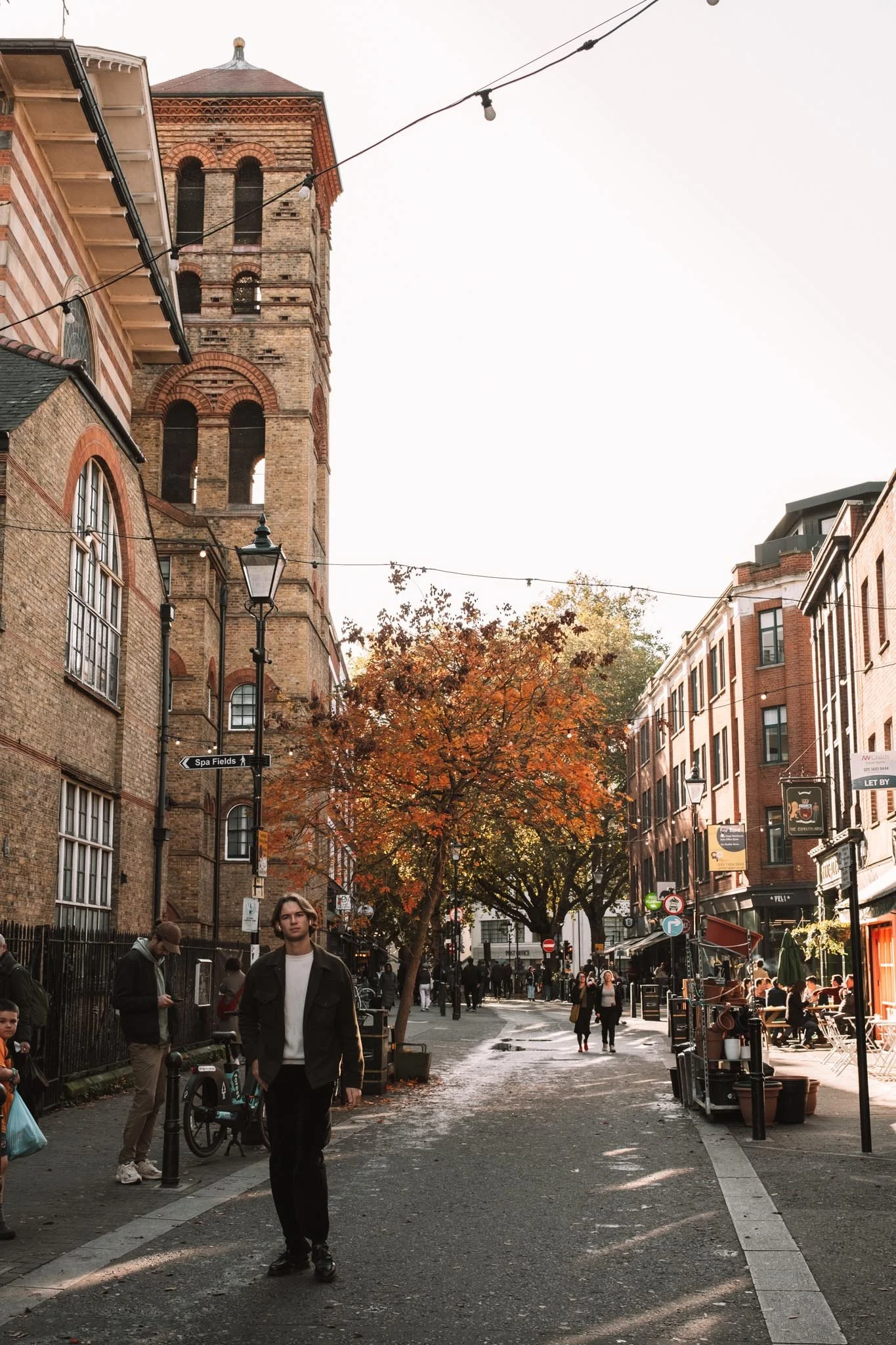
If I had to pick one neighborhood for a first-time visitor, it would be Marylebone. It sits just north of Oxford Street and Hyde Park, which puts you within easy reach of almost everything in central London, but the neighborhood itself feels nothing like the tourist-heavy areas nearby. It is quiet, cute and full of the kind of independent shops, cafes and restaurants that make London worth exploring on foot.
The high street, Marylebone High Street, is one of the best streets in the city for an unhurried morning. Daunt Books, one of the most beautiful independent bookstores in the world, is here. So are good coffee shops, excellent restaurants and a general sense that the neighborhood is designed for people who live in it rather than people passing through.
It works for a wide range of travelers, from first-timers who want a calm, central base to returning visitors who already know the tourist trail and want something more residential. It is not cheap, but it is not as expensive as Kensington or Mayfair. For the combination of location, atmosphere and quality of the surrounding streets, it is hard to beat.
Angel / Islington — best for travelers who want a local experience
Angel is not the obvious first-timer choice, but for a specific type of traveler it is the best neighborhood on this list. If you want to feel like you are actually living in London rather than visiting it, this is where to go.
It sits just north of the City, close enough to central London that nothing feels unreachable, but far enough from the tourist circuit that the neighborhood has its own distinct character. Upper Street and Camden Passage are lined with independent coffee shops, restaurants that are not trying to impress tourists and a genuinely local energy that the more central areas have mostly lost. The transport links are excellent too, with the Angel Tube station putting you a short ride from most of the city.
Angel is where the 28 to 45 crowd actually spends their weekends. It is hip without being self-conscious about it and good value compared to the neighborhoods further west. If your priority is feeling like a local rather than maximum sightseeing convenience, this is the pick.
Notting Hill — beautiful, but know what you are getting
Notting Hill looks exactly like the movies, and that is both its appeal and its problem. The pastel houses, the quiet residential streets, the leafy squares. It is truly one of the prettiest places to stay in any city in Europe.
The thing most travel bloggers get wrong is sending people straight to Portobello Road. The market street itself is crowded, chaotic and lined with tourist-facing stalls. The real Notting Hill is on the side streets, the ones that branch off quietly in every direction and are lined with independent boutiques, good cafes and almost no tourists. Spend your time there.
As a base it is worth it, especially if you are staying for more than a few days and want a neighborhood that feels beautiful and calm. It can be quiet in the evenings, which is either a selling point or a drawback depending on what kind of trip you are on. Budget accordingly. It is not cheap.
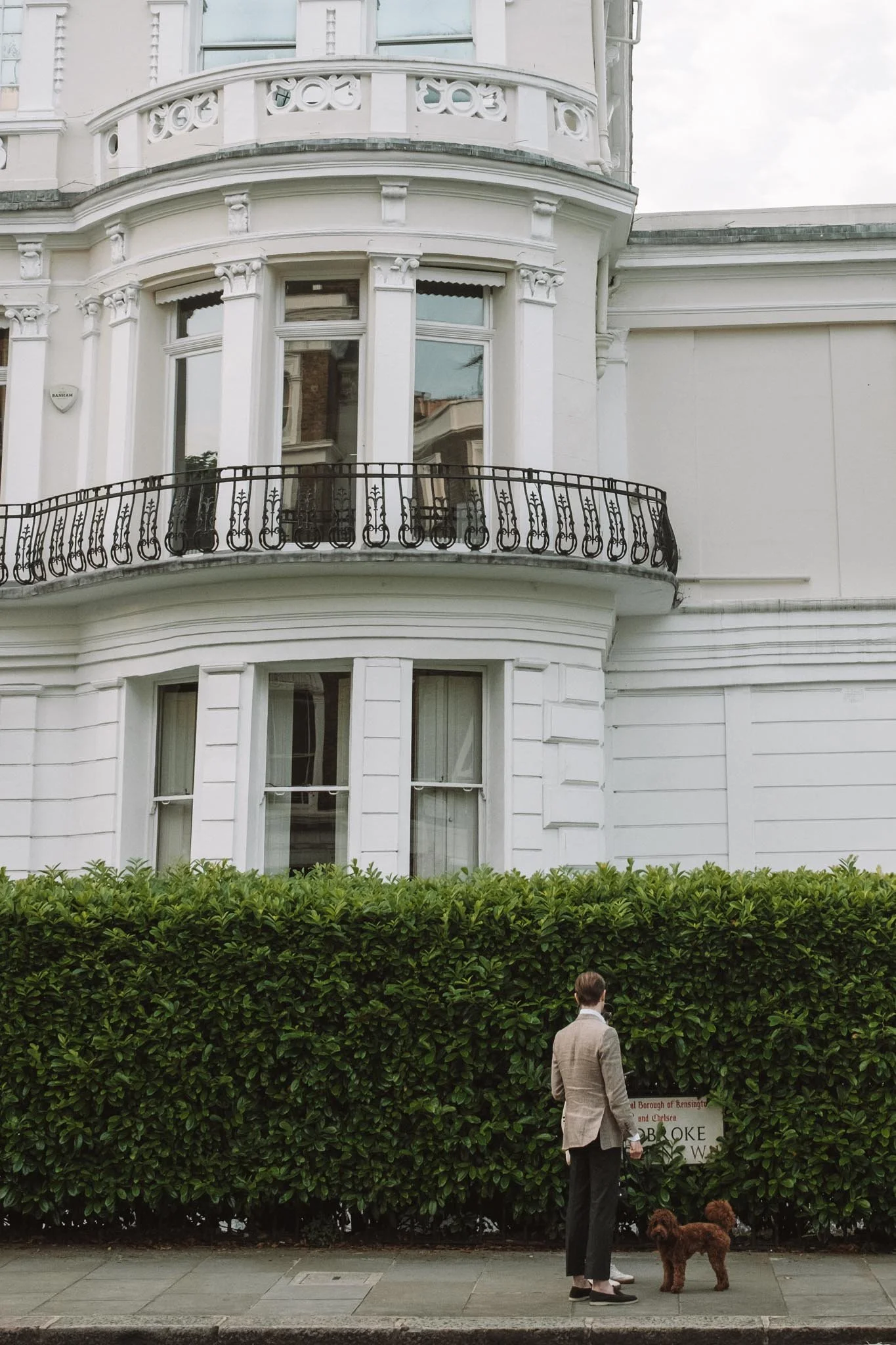
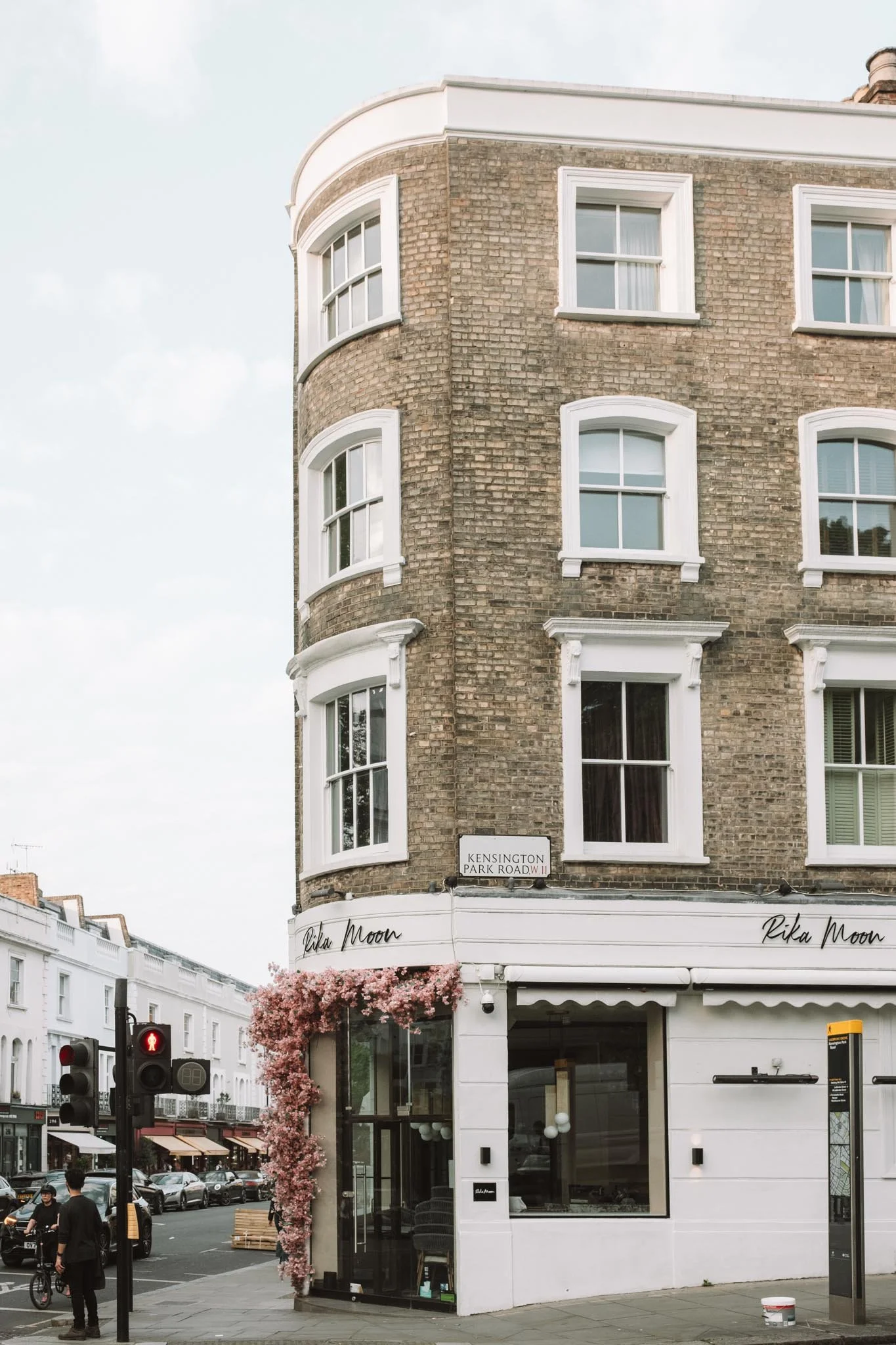
Kensington — central, excellent, expensive
Kensington is straightforward: excellent location, beautiful area, bigger budget required. You are within walking distance of Hyde Park, the Victoria and Albert Museum and the Natural History Museum, and a short Tube ride from virtually everything else. The streets are handsome, the hotels are well-run and the neighborhood feels polished and safe.
If your budget allows it, staying in Kensington means you spend less time getting around and more time actually doing things. There is not much local grit here. It is a well-heeled residential area that happens to have world-class museums on its doorstep. For a first visit focused on seeing the city efficiently, it earns its price.
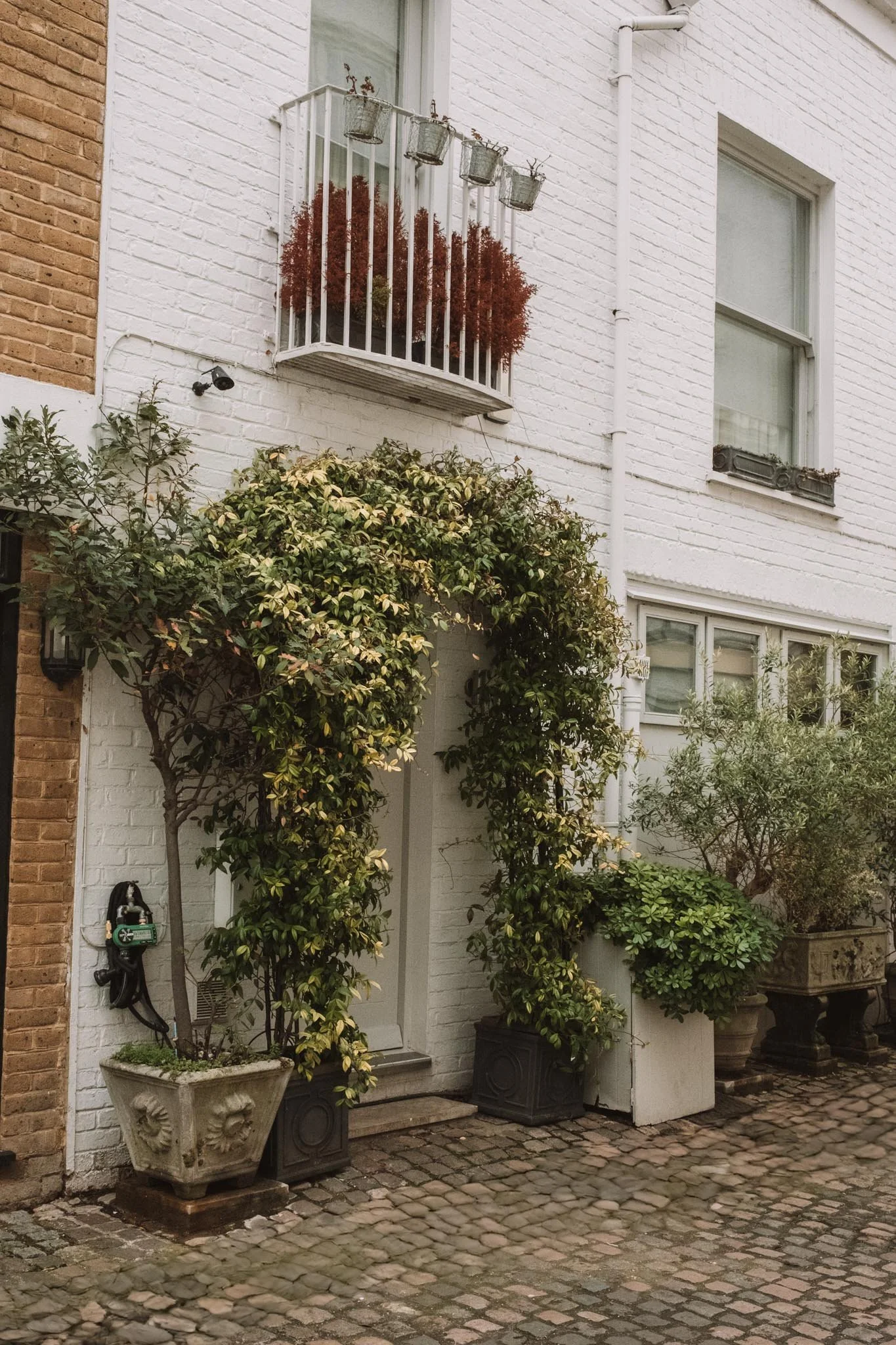
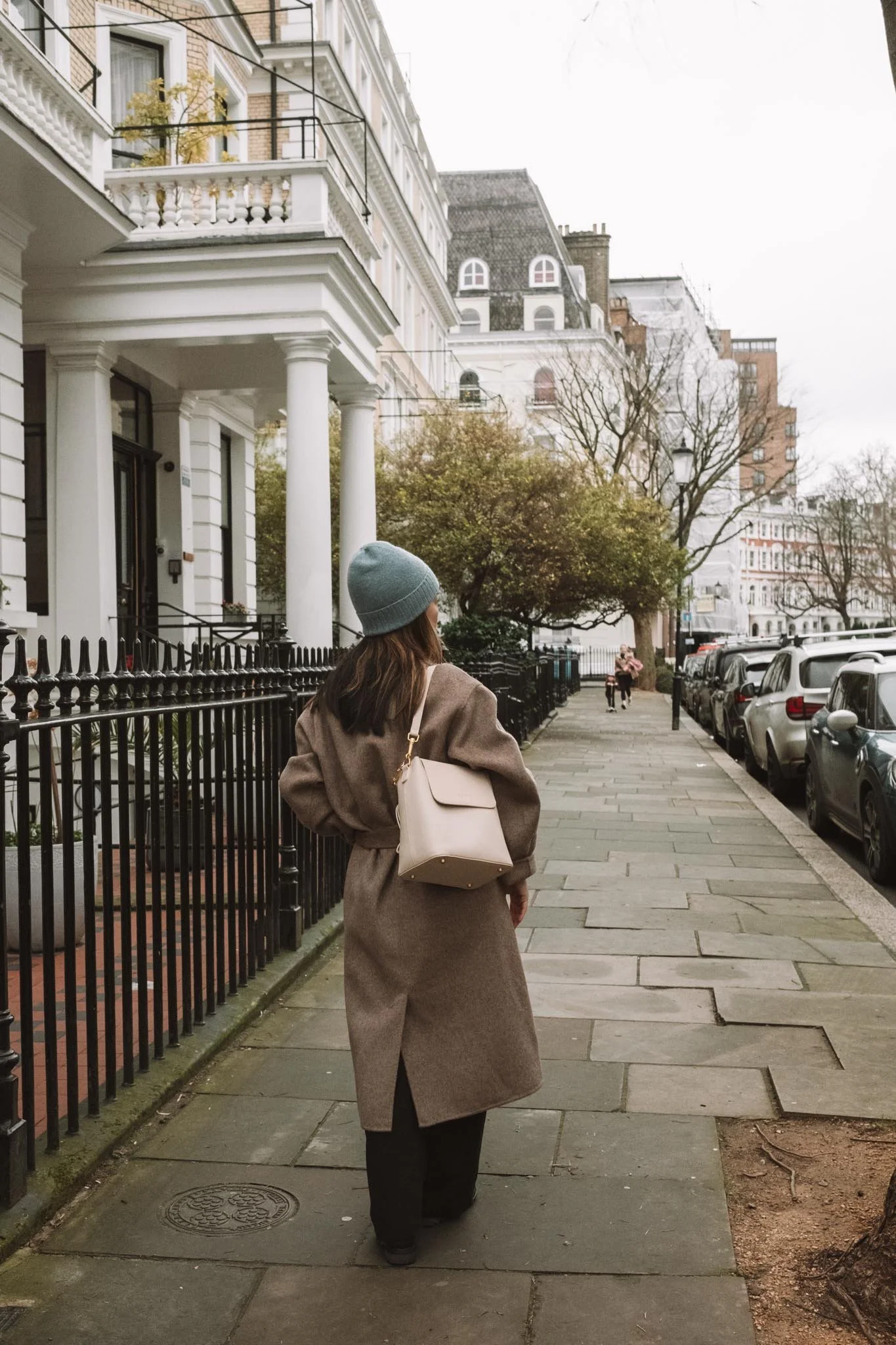
Chelsea — great location, for those who want comfort over edge
Chelsea sits just south of Kensington along the river and has a similar budget profile. This is not a neighborhood for travelers watching their spending. What it offers is a very pleasant base with good coffee shops, good restaurants, a relaxed affluent atmosphere and easy access to the rest of the city.
It is less tourist-heavy than Covent Garden and more residential in feel than Kensington. If you want somewhere that feels like a nice London neighborhood rather than a hotel district, Chelsea delivers that. Just do not come expecting nightlife or anything remotely edgy.
Mayfair — for travelers who want the best of everything and are willing to pay for it
Mayfair sits right in the heart of London, bordered by Hyde Park, Oxford Street and Piccadilly. The location is about as central as it gets, which means you are within walking distance of a huge amount of the city. The neighborhood itself is all grand Georgian architecture, private members clubs, high-end restaurants and some of the best hotels in London. It is not a neighborhood with much local texture. What it offers is an impeccable base, a prestigious address and the kind of comfort that comes with a larger budget. If that is what you are looking for, Mayfair delivers it without compromise.
Covent Garden — the default choice, for good reason
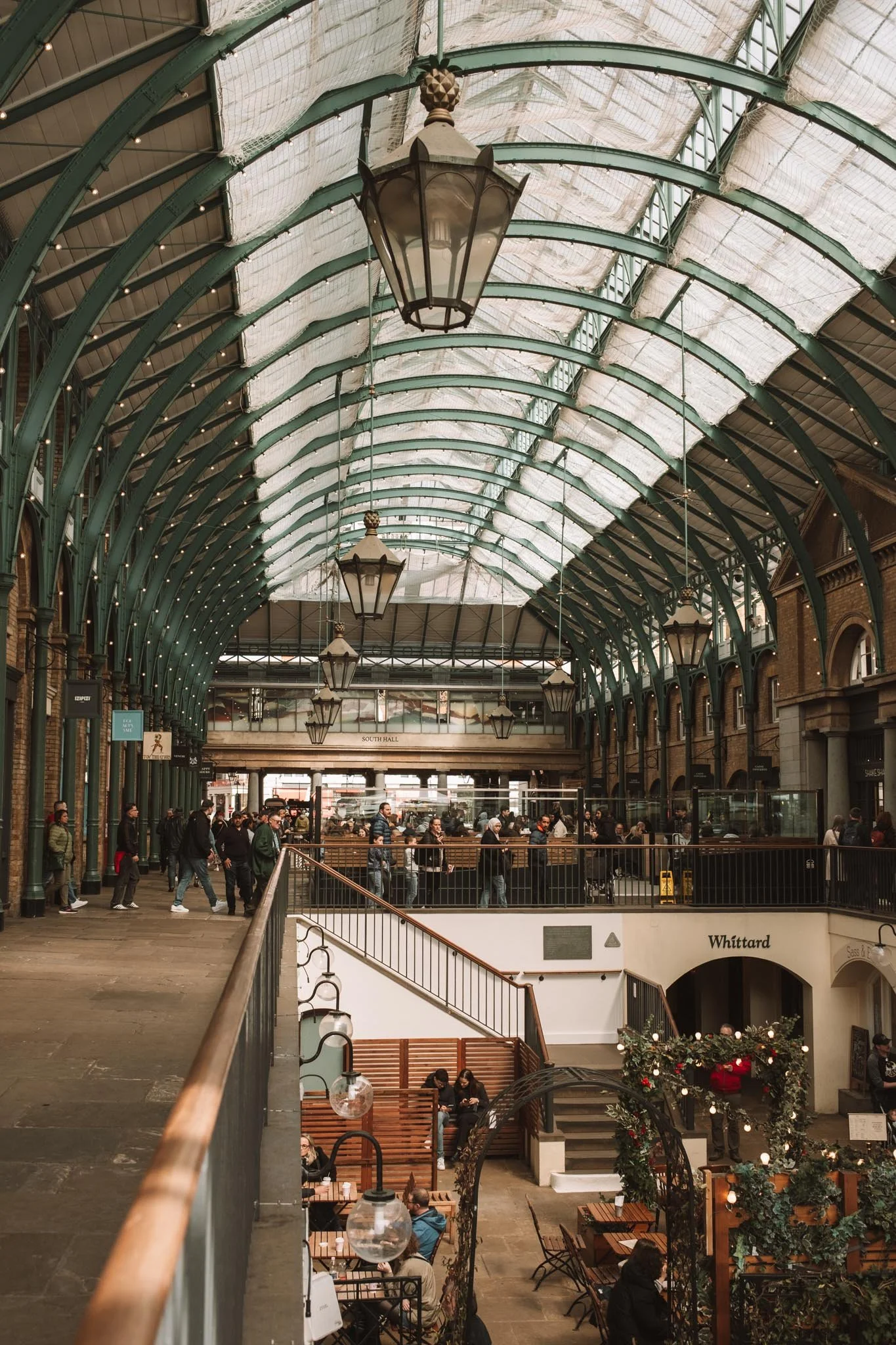
Covent Garden is the neighborhood most first-timer guides default to. It is very central, the transport connections are excellent and you can walk to a huge number of major sights without getting on the Tube at all. The National Gallery, the Thames, the West End theaters and Soho are all within easy reach on foot.
The downside is that it is crowded. The main piazza draws enormous numbers of tourists year round, and staying in the middle of it can start to feel relentless by day three. If you are someone who finds tourist-heavy areas draining, consider Marylebone or Notting Hill instead. If you want maximum convenience and the energy of being right in the center does not bother you, Covent Garden will serve you well.
South Bank — underrated base for art and food lovers
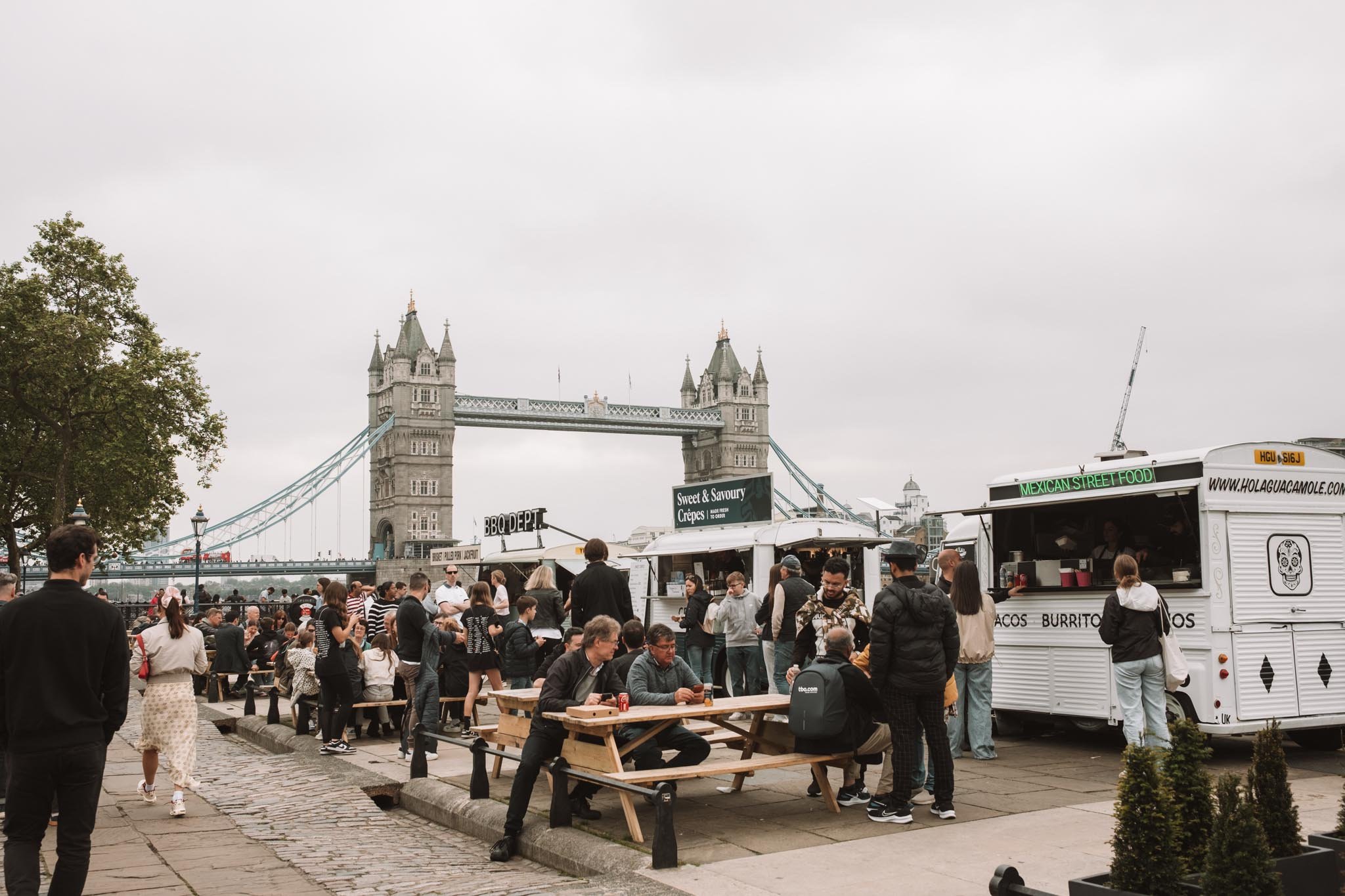
South Bank does not get recommended often enough as a place to stay. Tate Modern, Borough Market, Shakespeare's Globe and some of London's best riverside pubs are essentially on your doorstep. Hotel prices tend to be lower than the West End for a comparable location, and the walk along the Thames toward Tower Bridge is one of the best free things you can do in the city.
Looking for a deeper breakdown of every London neighborhood? A full guide coming soon!
Things to Do in London — The Classics, What to Skip, and What Locals Actually Do
London has enough to fill months, which means the real challenge is not finding things to do but knowing what is actually worth your time. Here is how I would break it down: the iconic sights, the areas and streets worth exploring, the neighborhoods worth wandering, and the side of London that most visitors never find.
The Iconic Sights
Tower of London
Worth every penny and worth booking in advance. The Crown Jewels alone justify the ticket price, and the history packed into that site is hard to absorb in a single visit. Go on a weekday if you can and get there early before the tour groups arrive.
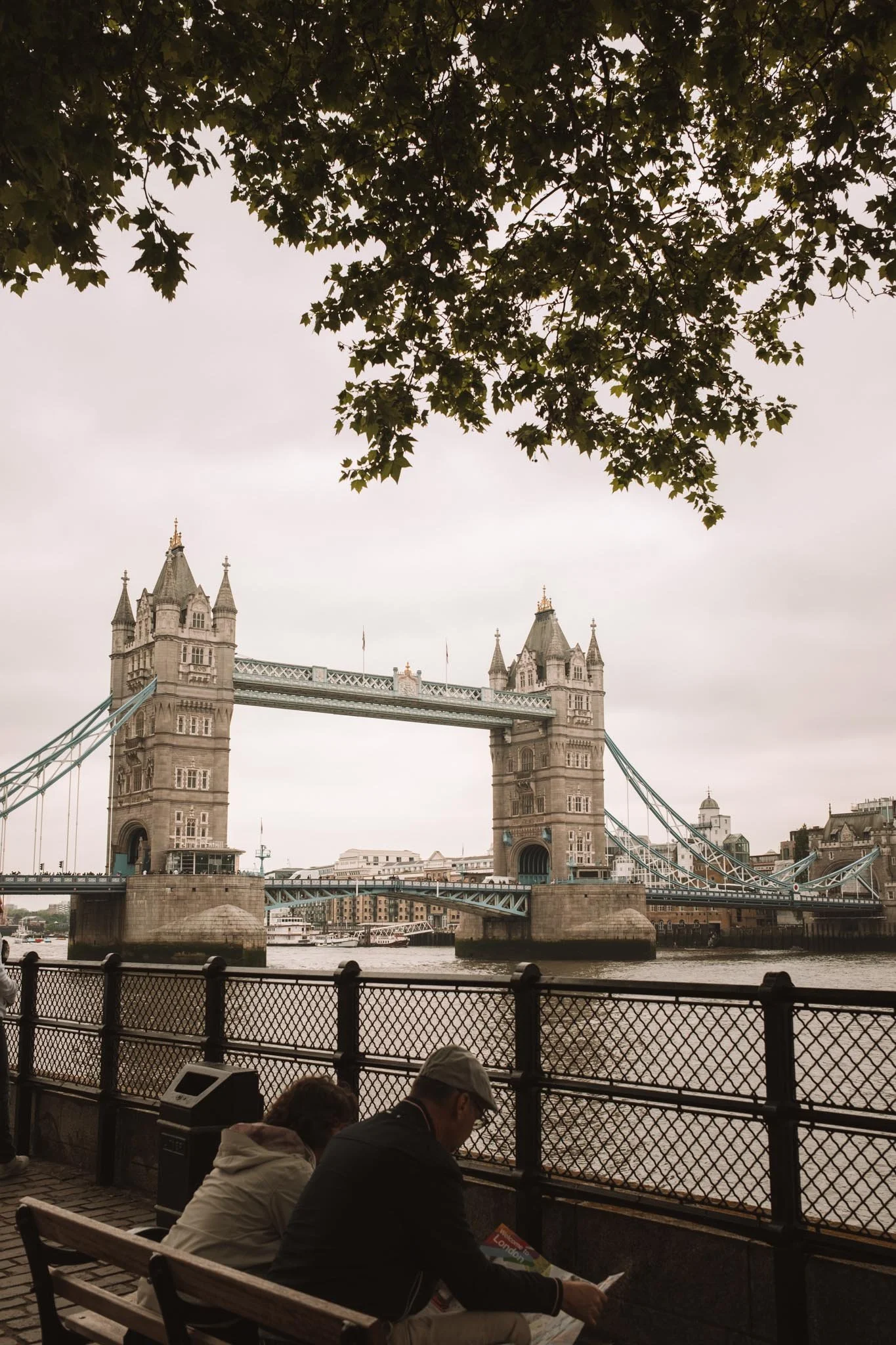
Tower Bridge
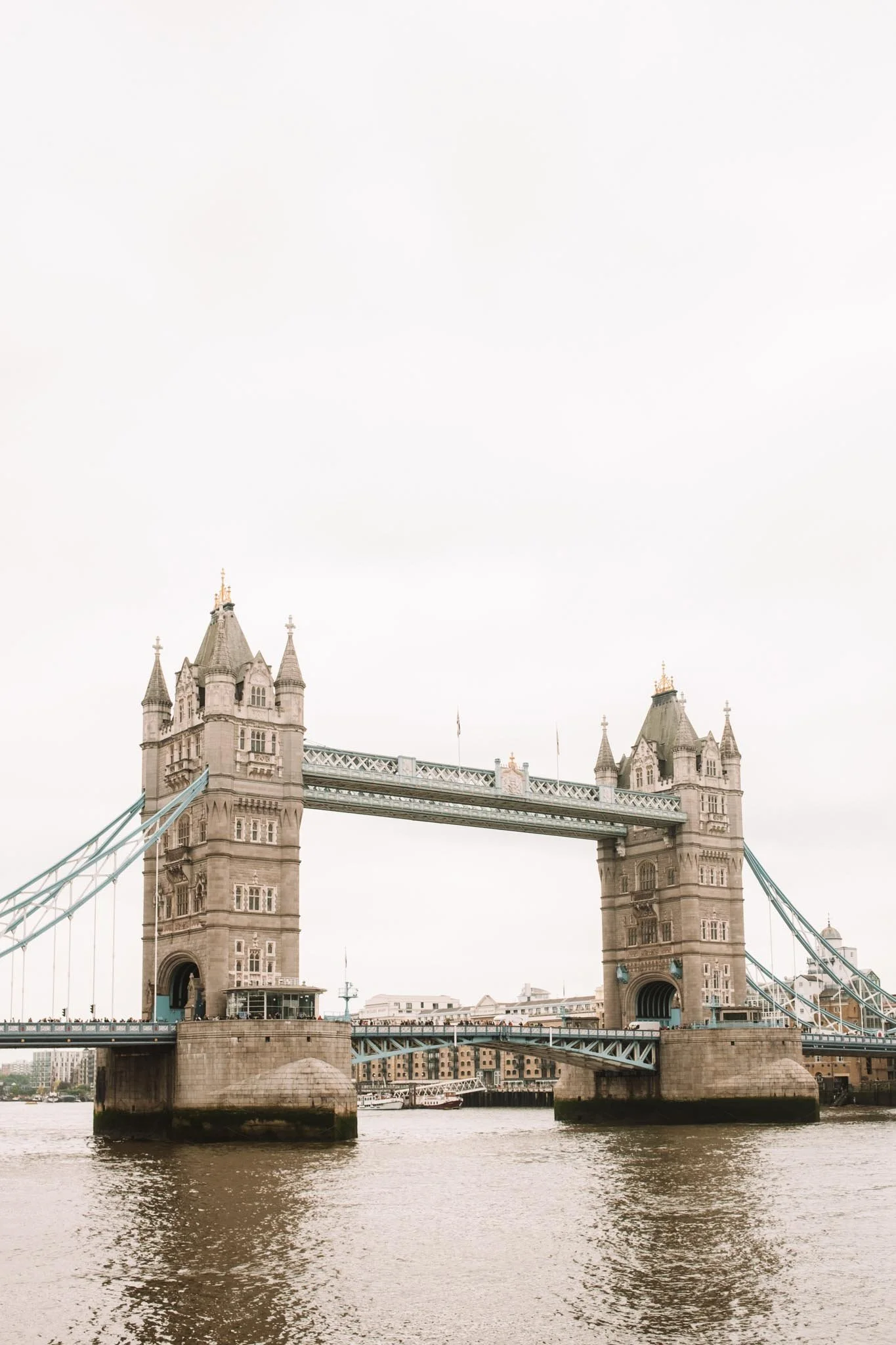
Walk across it. It is free, it is one of the most recognizable structures in the world and the views of the Thames from the middle of the bridge are defintiely worth stopping for. If you want to go further, the Tower Bridge Exhibition includes access to the high-level glass walkway above the road and the Victorian engine rooms below. But the walk itself costs nothing and should be on everyone's list.
Westminster Abbey and Big Ben
Westminster Abbey is worth it, especially if you go for Evensong. The evening choral service is free to attend, open to the public and held most days in the late afternoon. You will not see the full Abbey on a free ticket but you will sit inside one of the most extraordinary buildings in the country and hear a choir perform. It is one of the genuinely great free experiences in London and most visitors never know it exists.
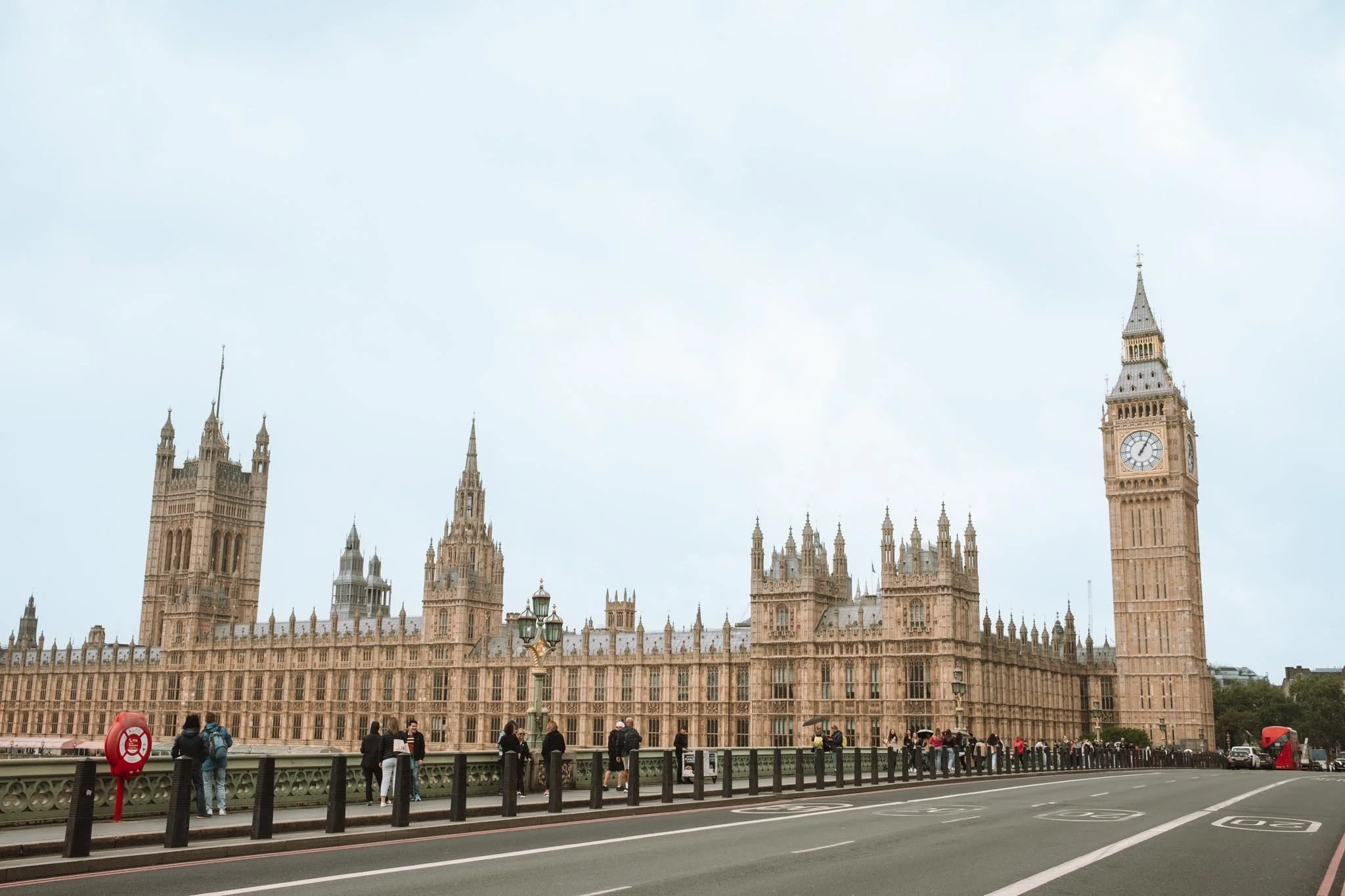
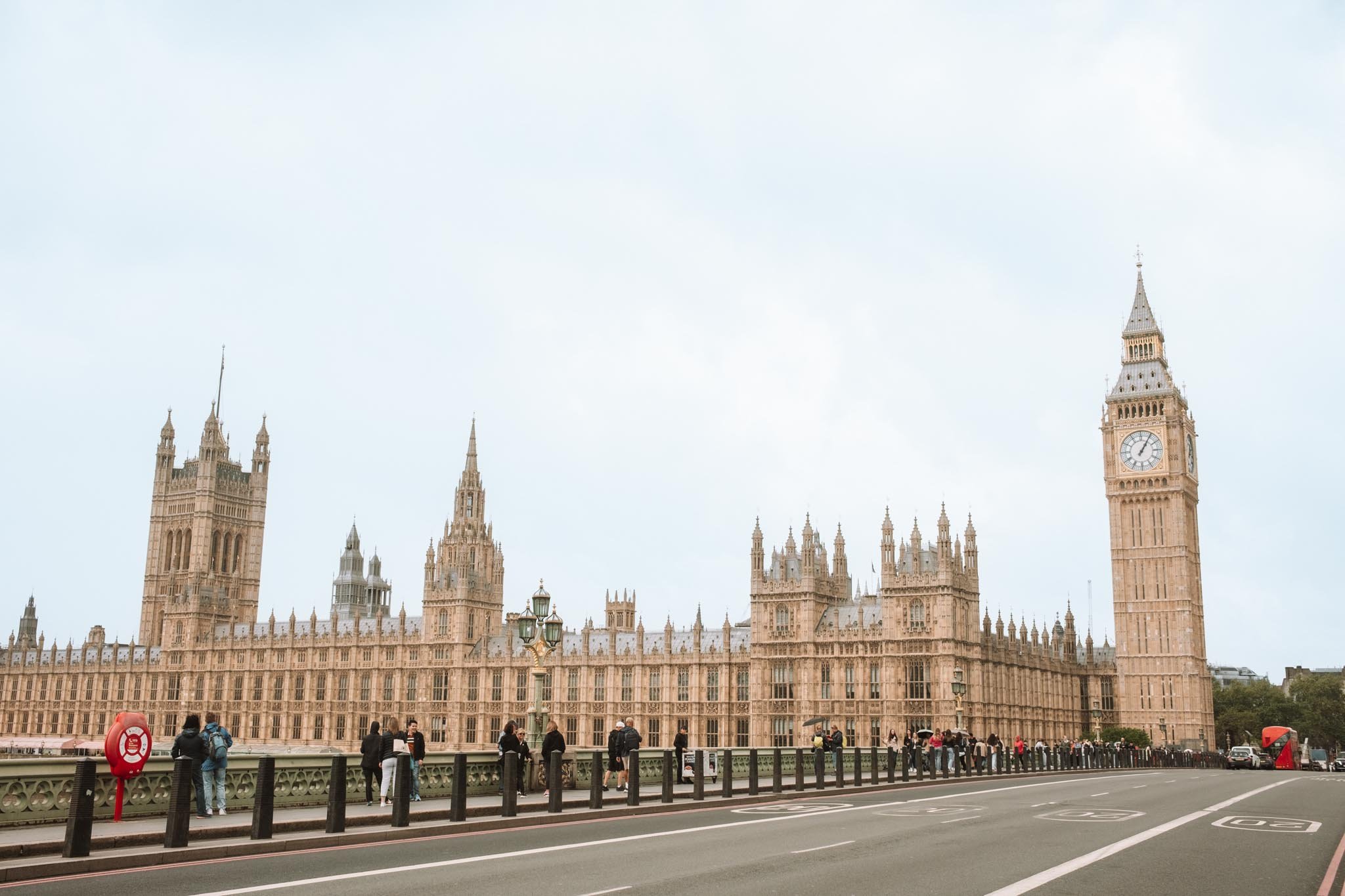
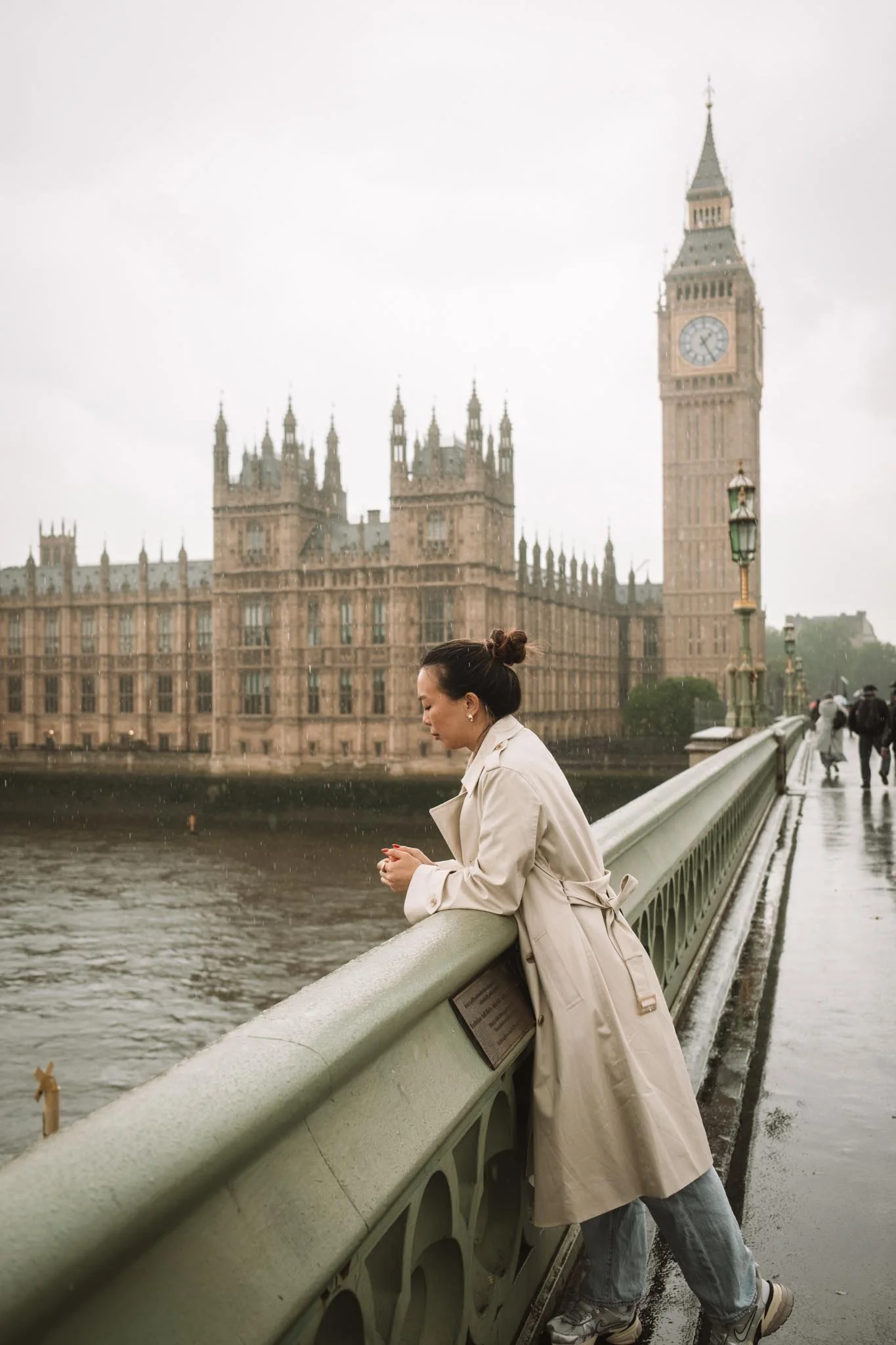
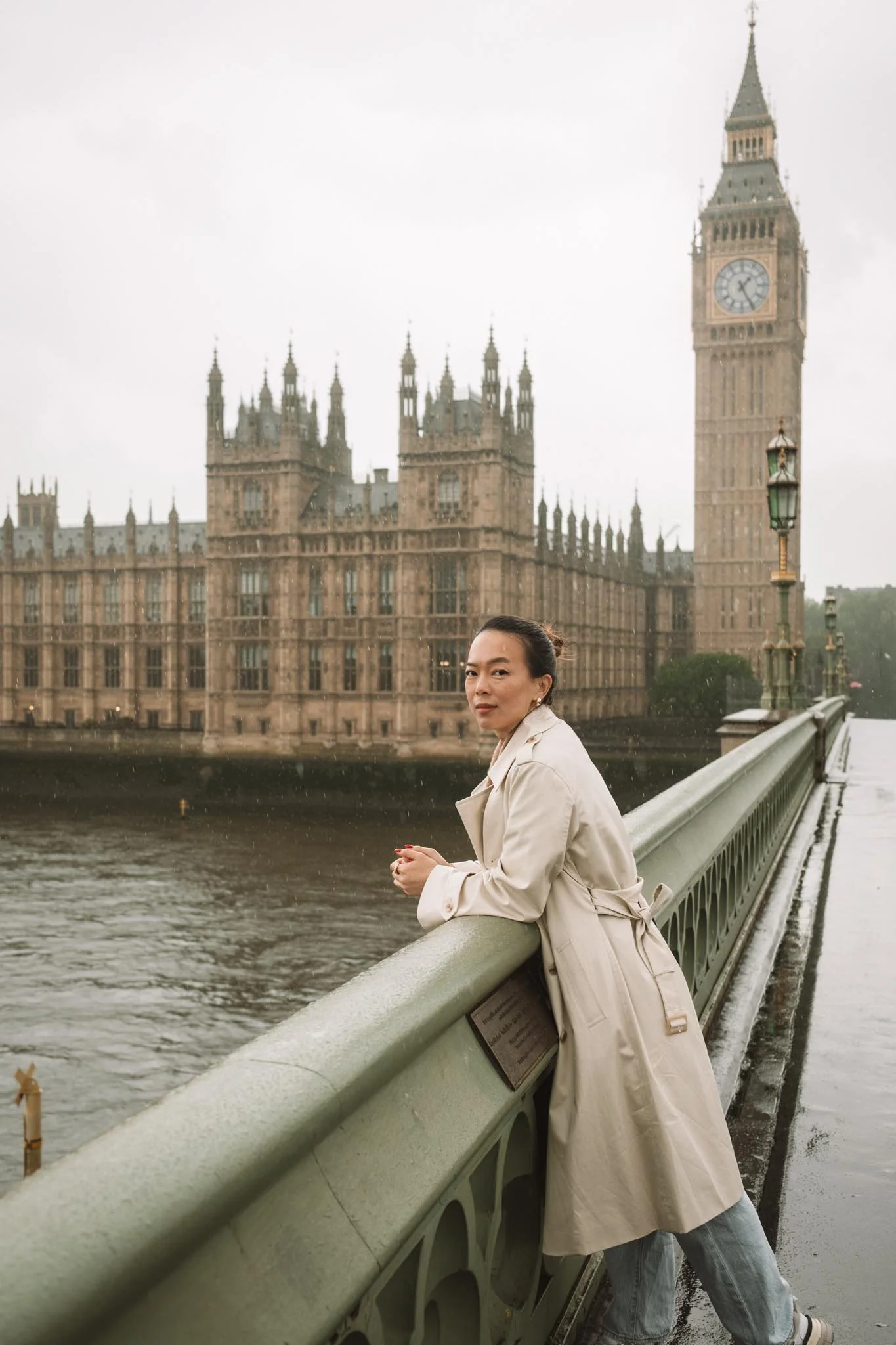
Big Ben and the Houses of Parliament are a photo stop, not a destination. Walk past, take the picture, keep moving.
Trafalgar Square
Worth a wander since you will likely be nearby after Westminster. Not worth a dedicated detour on its own. The National Gallery sits right on the square and is free. If you have an hour to spare, go in.
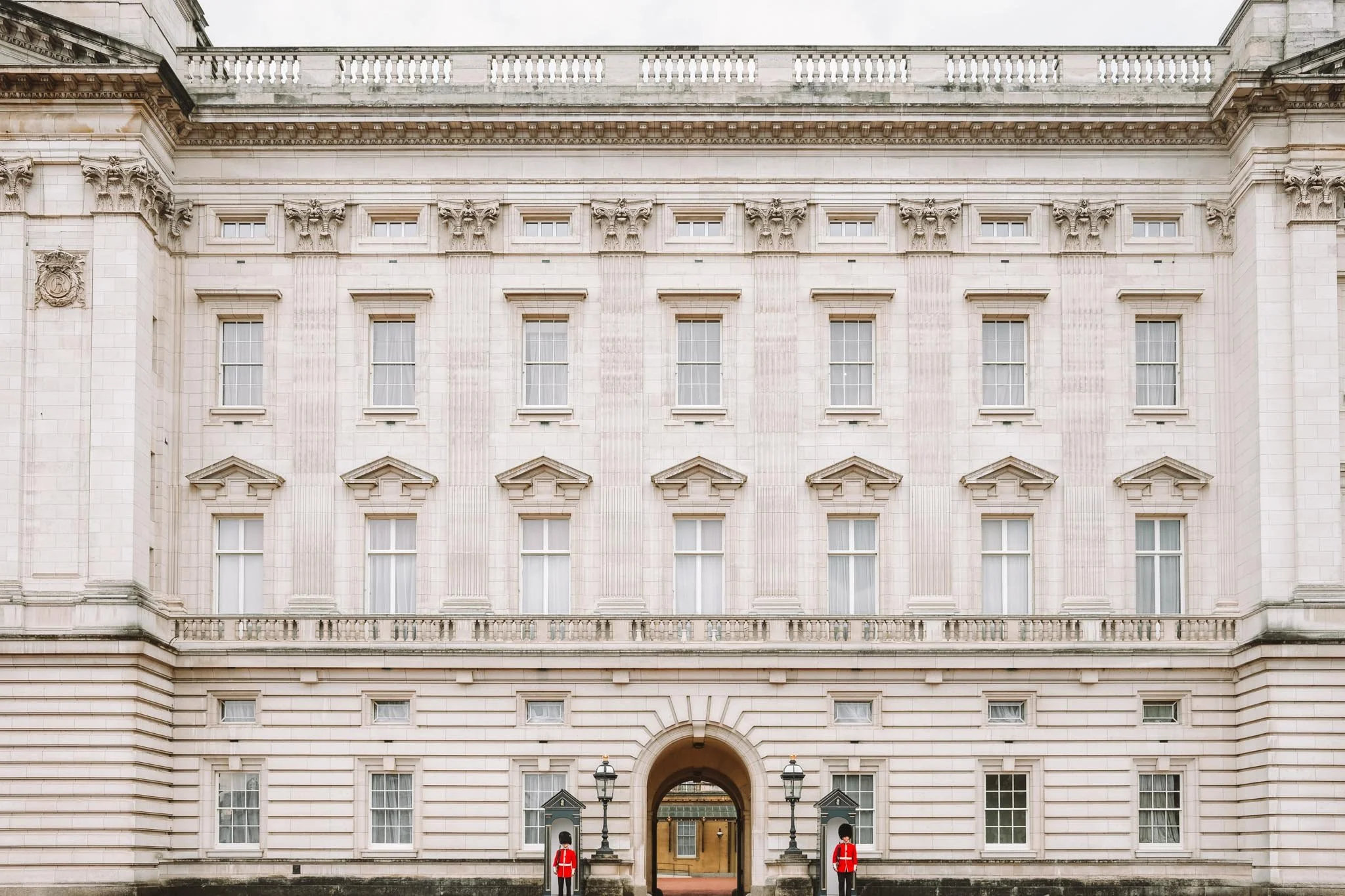
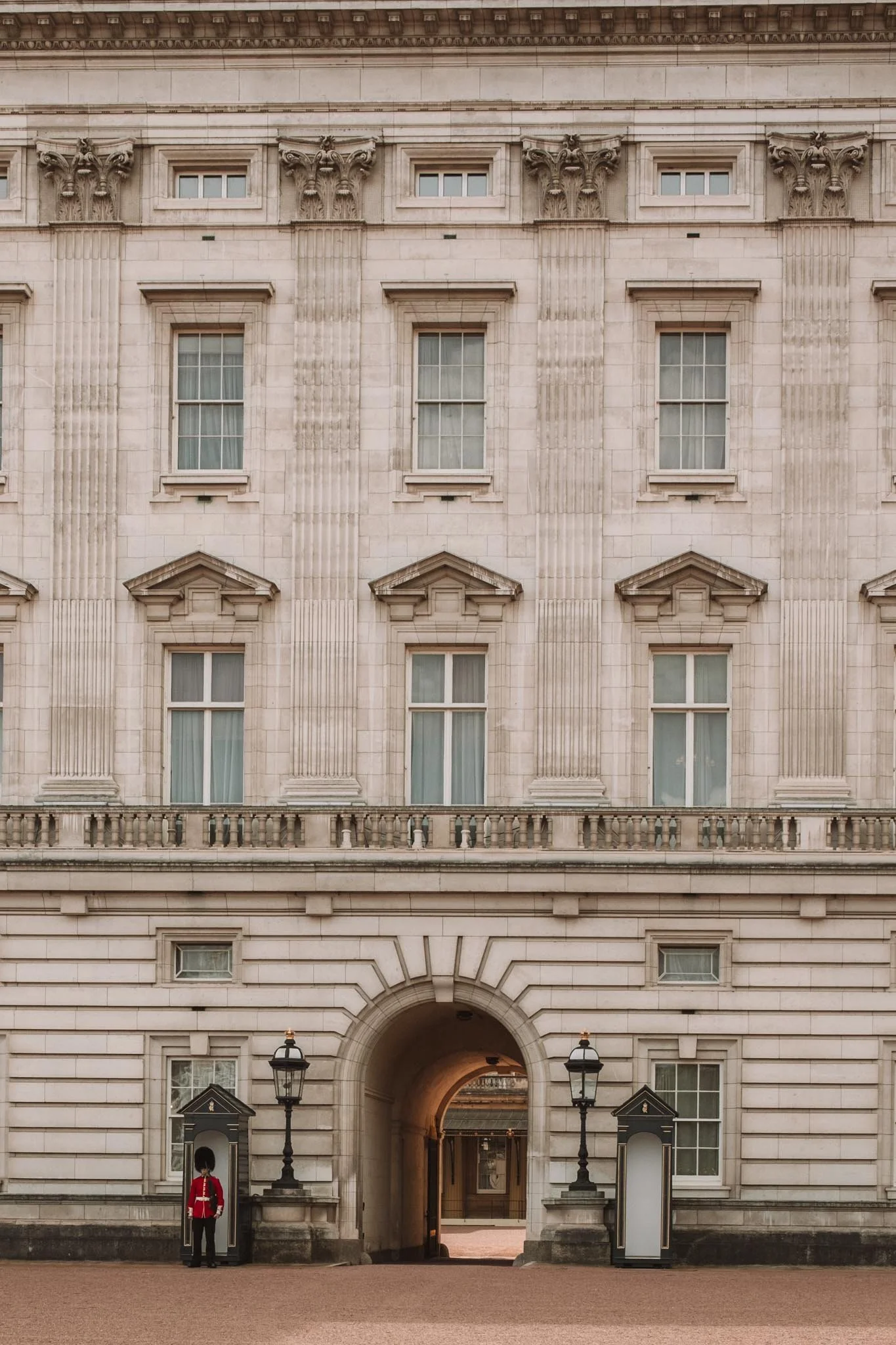
Buckingham Palace
Walk past it, take the photo, keep moving. There is nothing to see from the outside beyond the gates and the guards. Your time is better spent almost anywhere else on this list.
British Museum
Free, enormous and world class. The Rosetta Stone, the Elgin Marbles, the Egyptian mummies. The building itself is worth the visit. During peak season in 2026 the museum now requires advance booking even for free entry. It takes two minutes online and costs nothing. Do it before you go.
Natural History Museum
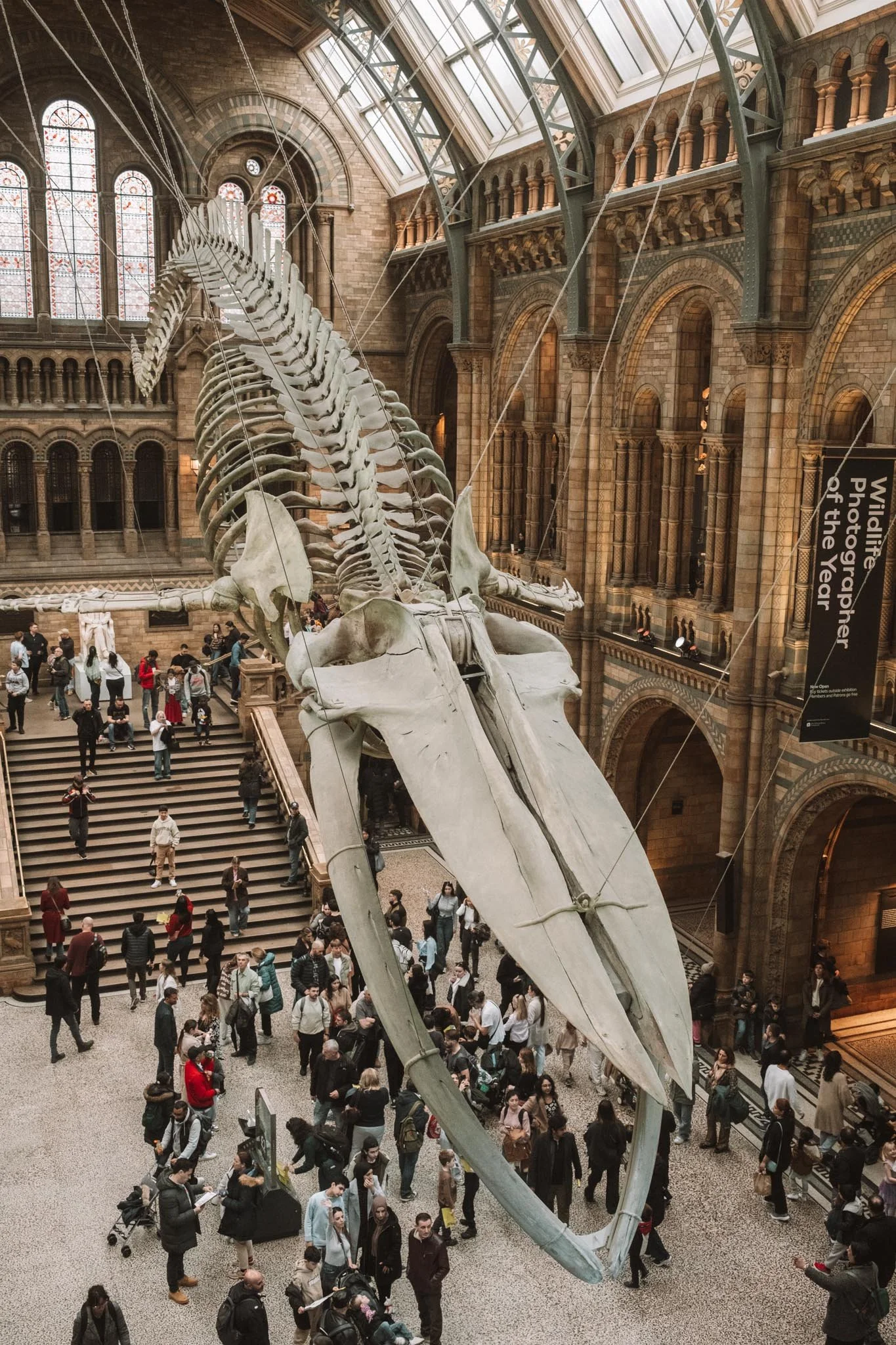
Another free one and another essential. The blue whale skeleton in the main hall is one of those sights that actually stops you. Go on a weekday morning to avoid the school groups. The Darwin Centre at the back is quieter and undervisited.
V&A Museum
The Victoria and Albert Museum sits right next to the Natural History Museum in Kensington, which makes the two an easy pairing on the same day. It is the world's largest museum of art, design and decorative arts, and free to enter for the permanent collection. If you have any interest in fashion, architecture, photography or design, budget at least two hours here.
Tate Modern
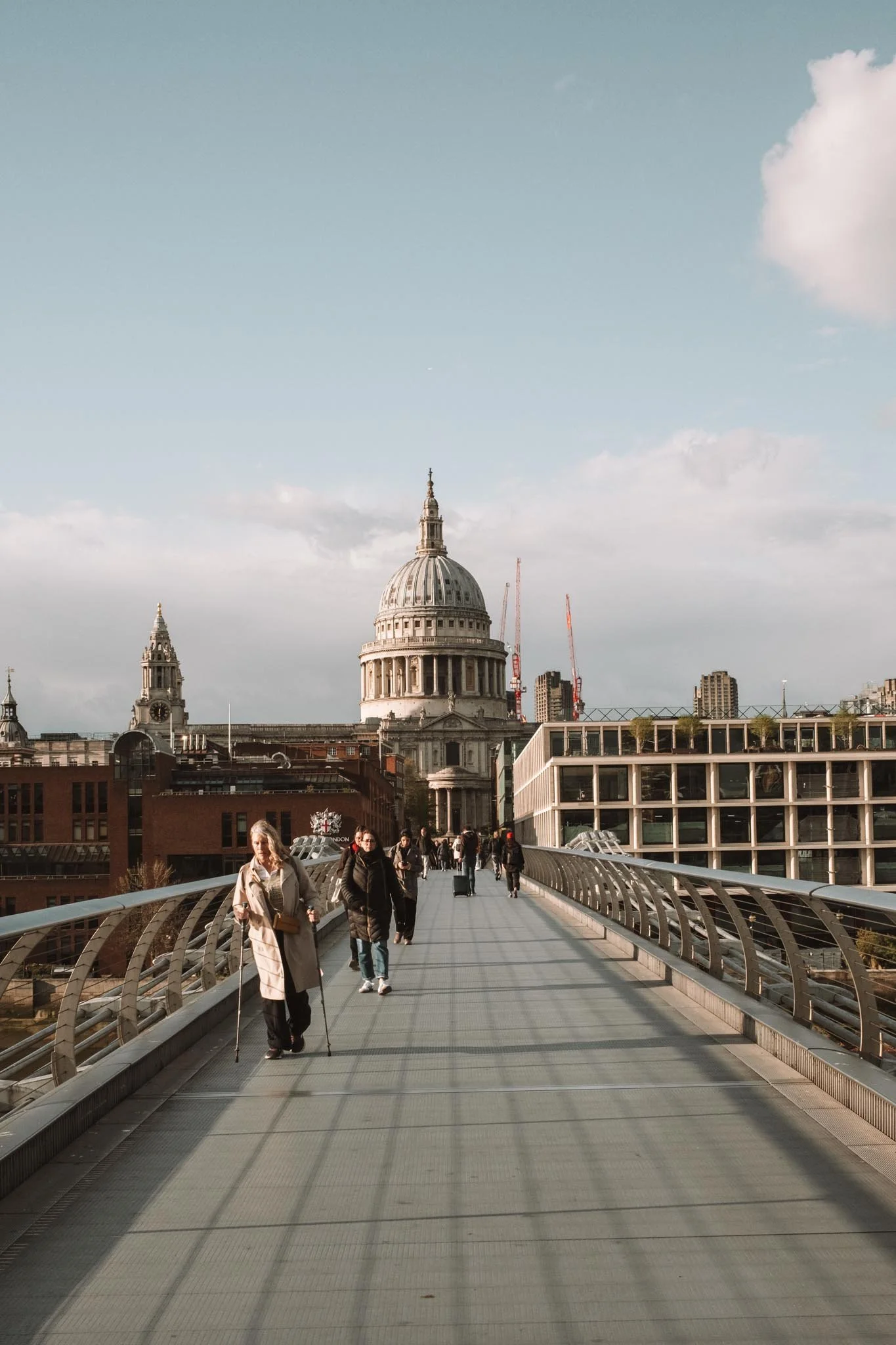
Free, on the South Bank and one of the best modern art museums in the world. The building alone, a converted power station right on the Thames, is worth the visit. Go on a weekday to avoid weekend crowds and walk across the Millennium Bridge afterward for one of the best views of St Paul's Cathedral in the city.
A Thames River Cruise
Worth including as an experience most visitors overlook until they are already there and wish they had booked it sooner. A Thames river cruise gives you a completely different perspective on the city, sailing past the Houses of Parliament, the Tate Modern, Tower Bridge and the City of London from the water. It is one of the best ways to get your bearings on your first day and understand how the different parts of London connect geographically.
Cruises run in both directions between Westminster Pier and Greenwich, with hop-on hop-off options that let you disembark at different points along the river. The full journey to Greenwich takes about an hour and is worth doing if you want to see the Royal Naval College and Greenwich Market at the far end. For a shorter experience, the stretch between Westminster and Tower Bridge covers most of the iconic views.
Book in advance, particularly in summer when boats fill up. A commentary cruise is worth the small premium over a standard service for a first visit.
Hyde Park and Regent's Park
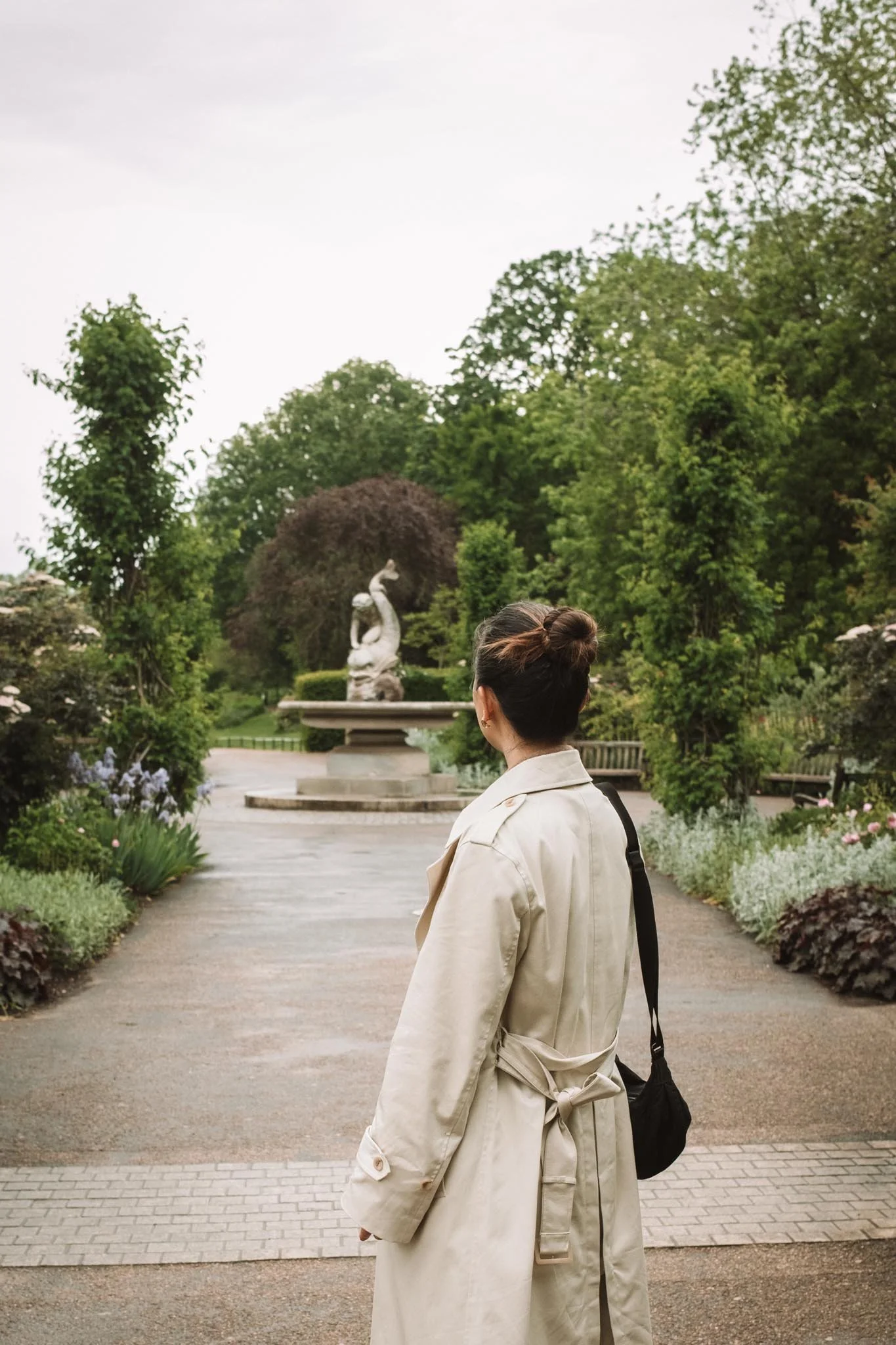
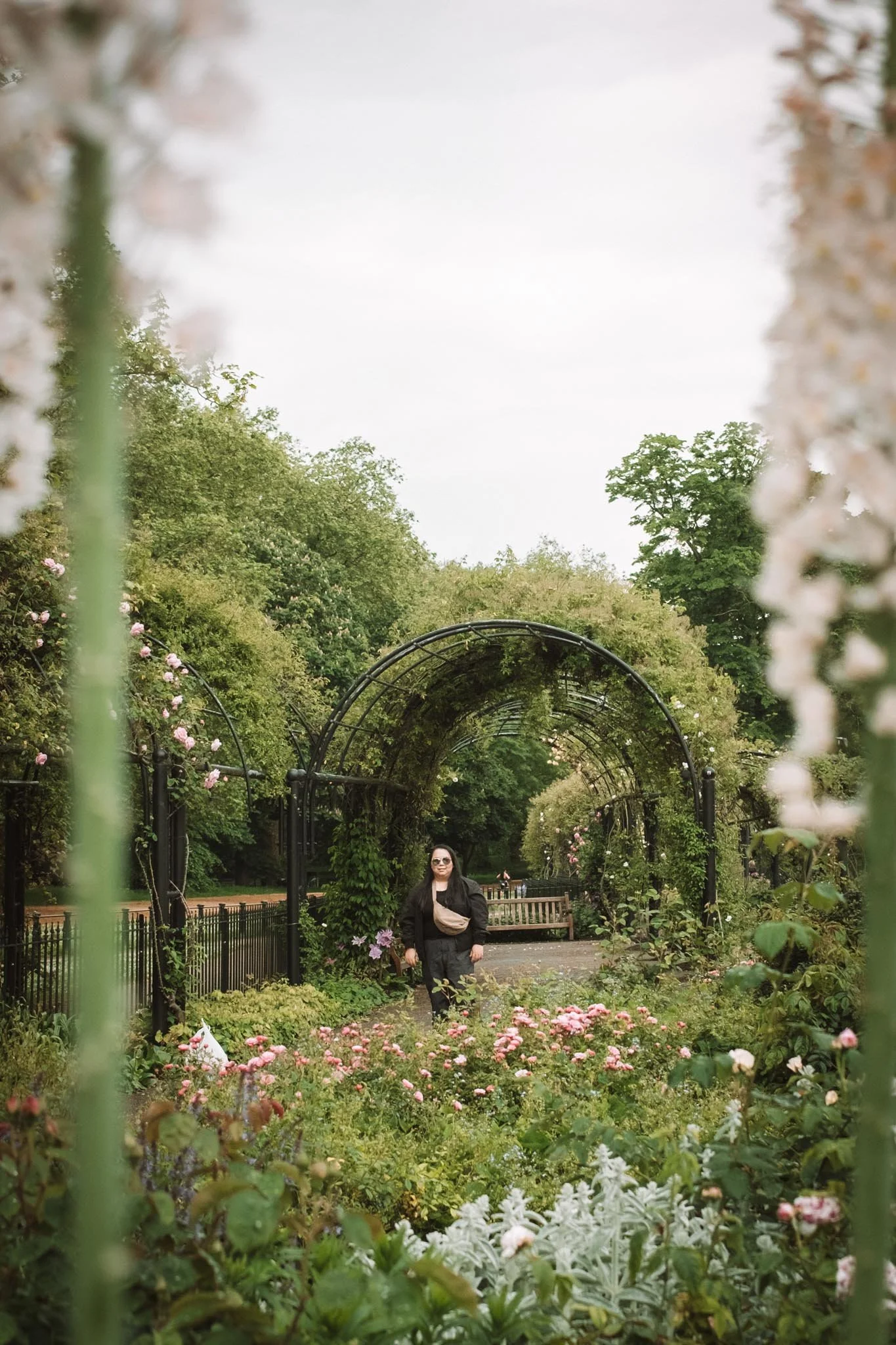
Hyde Park is the one most visitors head to and it earns its reputation. It is enormous, incredibly beautiful and one of the best places in the city to slow down between sightseeing. Regent's Park to the north is slightly quieter, borders the northern edge of Marylebone and has an open air theatre that runs performances in summer. Both are free and both are worth a proper wander rather than a quick pass through.

London Eye — Skip, Do This Instead
The London Eye is one of the most visited attractions in the city and one of the least worth the ticket price. The views are fine but the lines are long, the pods are crowded and there are way better options for seeing London from above, several of them free.
Sky Garden at 20 Fenchurch Street is a free rooftop garden with panoramic views across the Thames and the City. Book a timed slot online in advancehere. It fills up quickly so do not leave it until you arrive.
Horizon 22 is London's highest free observation deck, sitting on the 58th floor of 22 Bishopsgate in the City of London. The 300 degree views take in the Thames, Tower Bridge, the Shard and most of the city's skyline. Free to visit but requires advance booking online here. New slots are released every Monday for the following two weeks. Book as soon as you know your dates.
The Shard is the paid option and worth it if you want the highest vantage point in the city. The observation deck on levels 68 to 72 gives you an unobstructed view in every direction. There is also a few restaurants in the building if you want to combine the view with a meal. Book in advance online.
Duck and Waffle is the most unusual option on this list. Located on the 40th floor of the Heron Tower near Liverpool Street, it is a restaurant open 24 hours a day with floor to ceiling windows and a view over the City of London. Going for breakfast at sunrise is one of those only-in-London experiences worth setting an alarm for. Book a table in advance.
Any of these four is a better use of your time and money than the London Eye. Pick the one that suits your budget and book it before you arrive.
Warner Bros. Studio Tour — The Making of Harry Potter
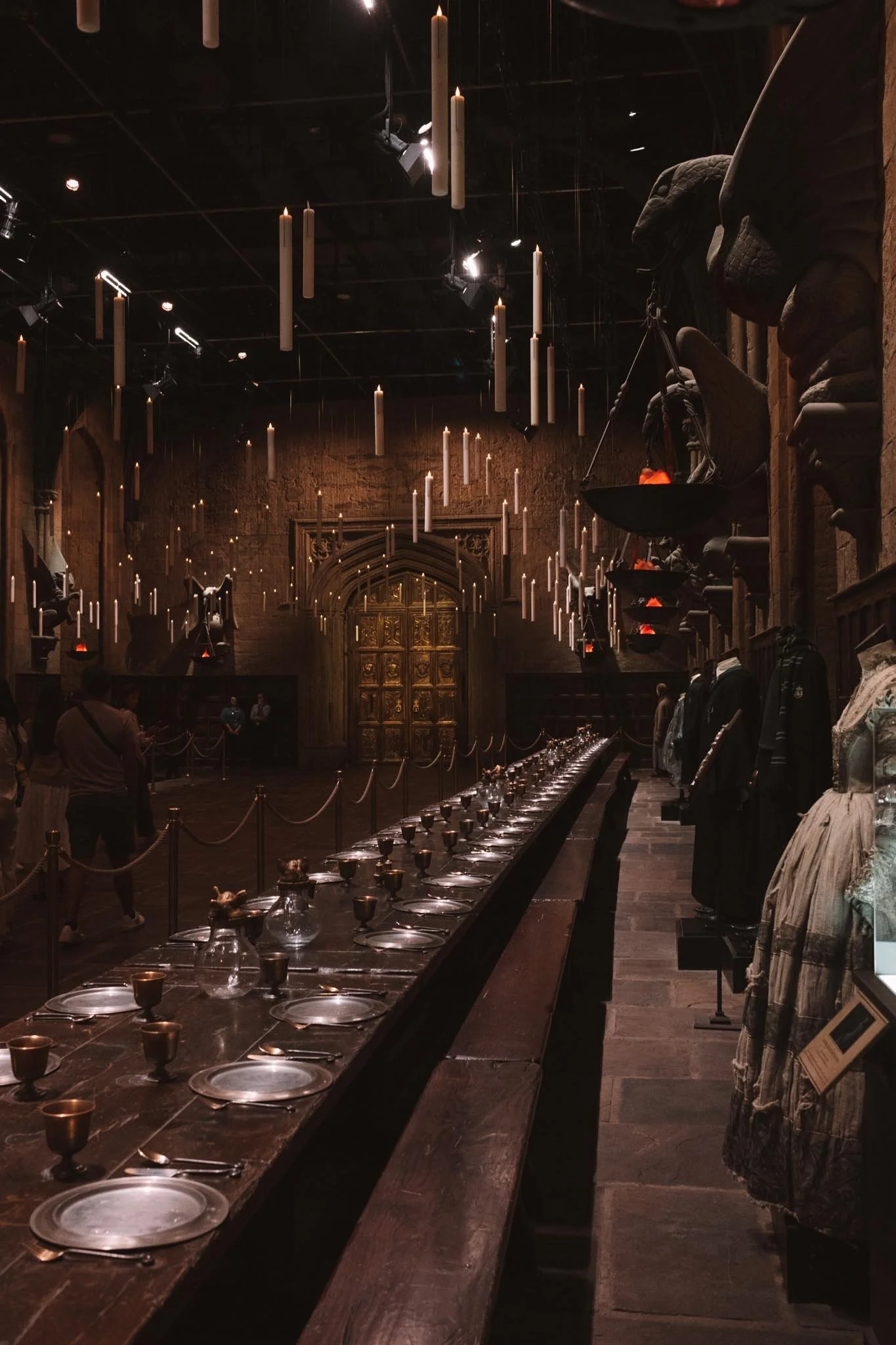
Technically just outside London in Watford, about 20 miles from the city center and easily reachable by train from Euston station. If you are a Harry Potter fan this is a non-negotiable. Book it before you book anything else.
If you are not a fan, I would not call it a must for a group that has zero interest in Harry Potter. But if even one person in your group wants to go and the rest are on the fence, go. The behind the scenes access is very impressive regardless of whether you care about the movies. The original sets, costumes, props and special effects are all here and the production design alone is worth seeing. The Great Hall, Diagon Alley, the Hogwarts castle model. It shows you how large scale filmmaking actually works and that is interesting to almost anyone.
I went twice and enjoyed both visits. Once is enough for most people, but I have no regrets about either trip.
Book well in advance. This sells out weeks ahead, sometimes months during school holidays. There are no walk-up tickets.


Book Your Activities in Advance
Areas and Streets Worth Exploring
Covent Garden
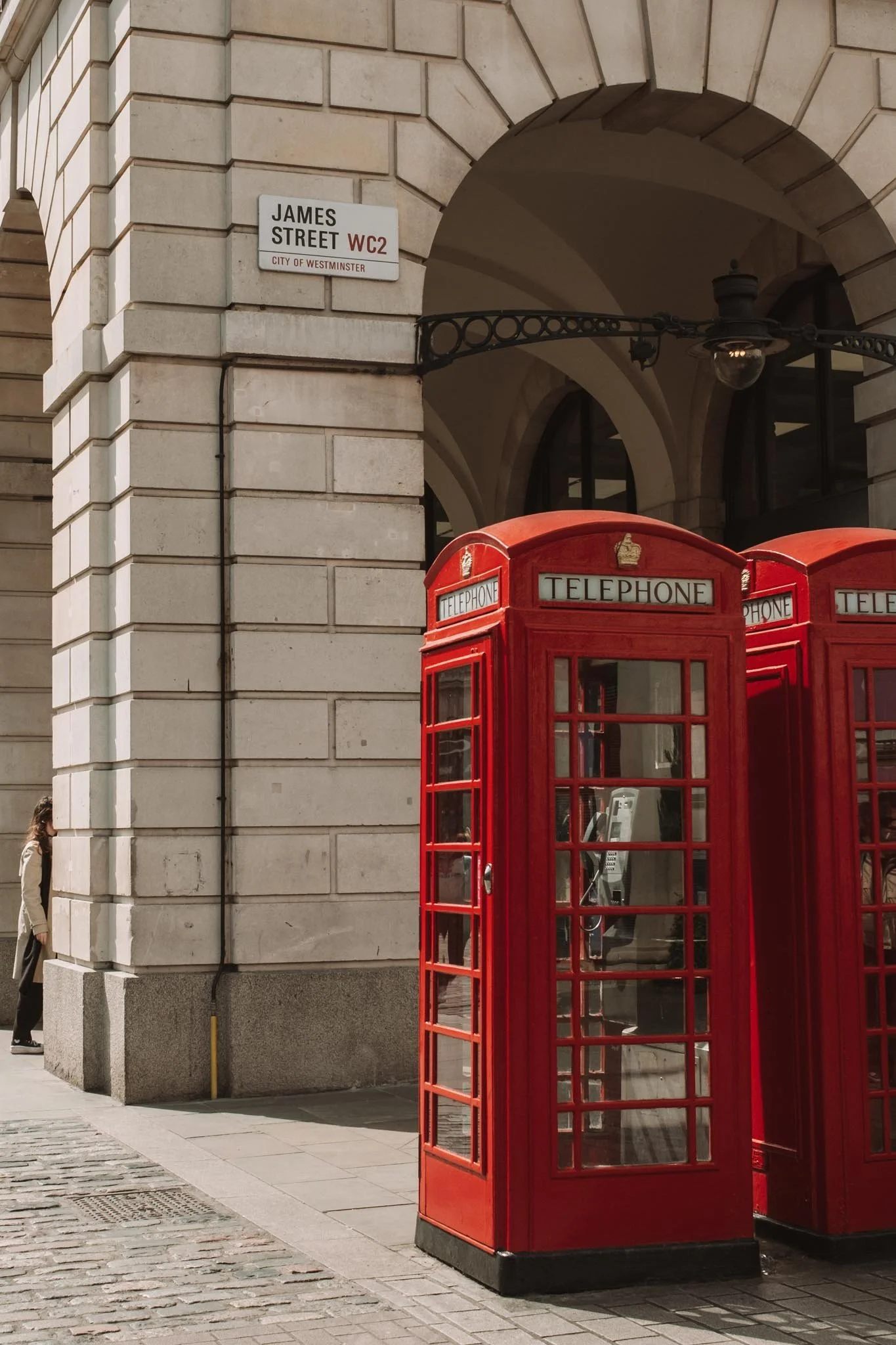
Worth spending a few hours in, and it rewards people who leave the main piazza and explore on foot. The piazza itself has street performers and the Apple Market for crafts. But the best of Covent Garden is in the surrounding streets. Neal's Yard is a small courtyard just off Neal Street with colorful painted buildings and good cafes. Seven Dials, where seven streets radiate out from a central sundial, is one of the best areas in London for independent shops. Cecil Court is a short pedestrian lane lined almost entirely with secondhand bookshops and antique map sellers. The Lamb and Flag pub on Rose Street is one of the oldest pubs in London and one of the most atmospheric. Broad Court, a small lane by the Royal Opera House, has a ballerina sculpture and a row of red phone boxes that are among the most photographed spots in the neighborhood.
Soho and Chinatown
Soho is one of the best areas in central London for wandering with no particular agenda. The streets are dense and interesting and the area rewards people who just walk and see what they find. Smith's Court is a small courtyard tucked into the neighborhood that feels completely removed from the surrounding activity. Worth finding. Liberty is here too, on Great Marlborough Street just off the main Soho grid, and it is one of the most beautiful shops in the world. The building is a Tudor Revival structure built in 1924 using timber from two old Royal Navy ships. The interiors are dark wood, stained glass and winding staircases. Go in even if you have no intention of buying anything.
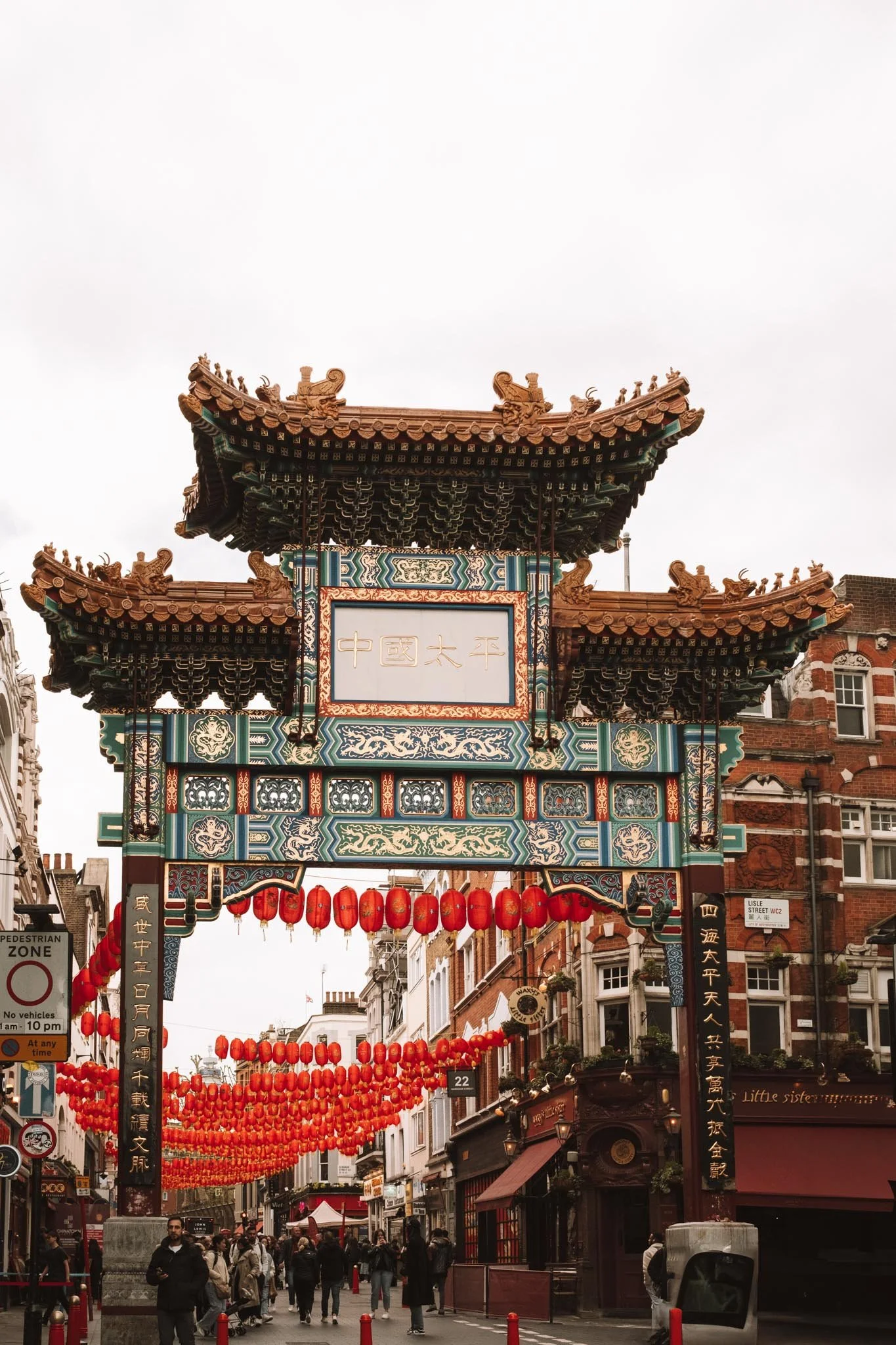
Chinatown sits just south of Soho on Gerrard Street and the surrounding lanes. A walk through is worth doing. If you are looking for a dessert stop, Coco Playa does a mango bingo dessert that is worth going specifically for.
Oxford Street
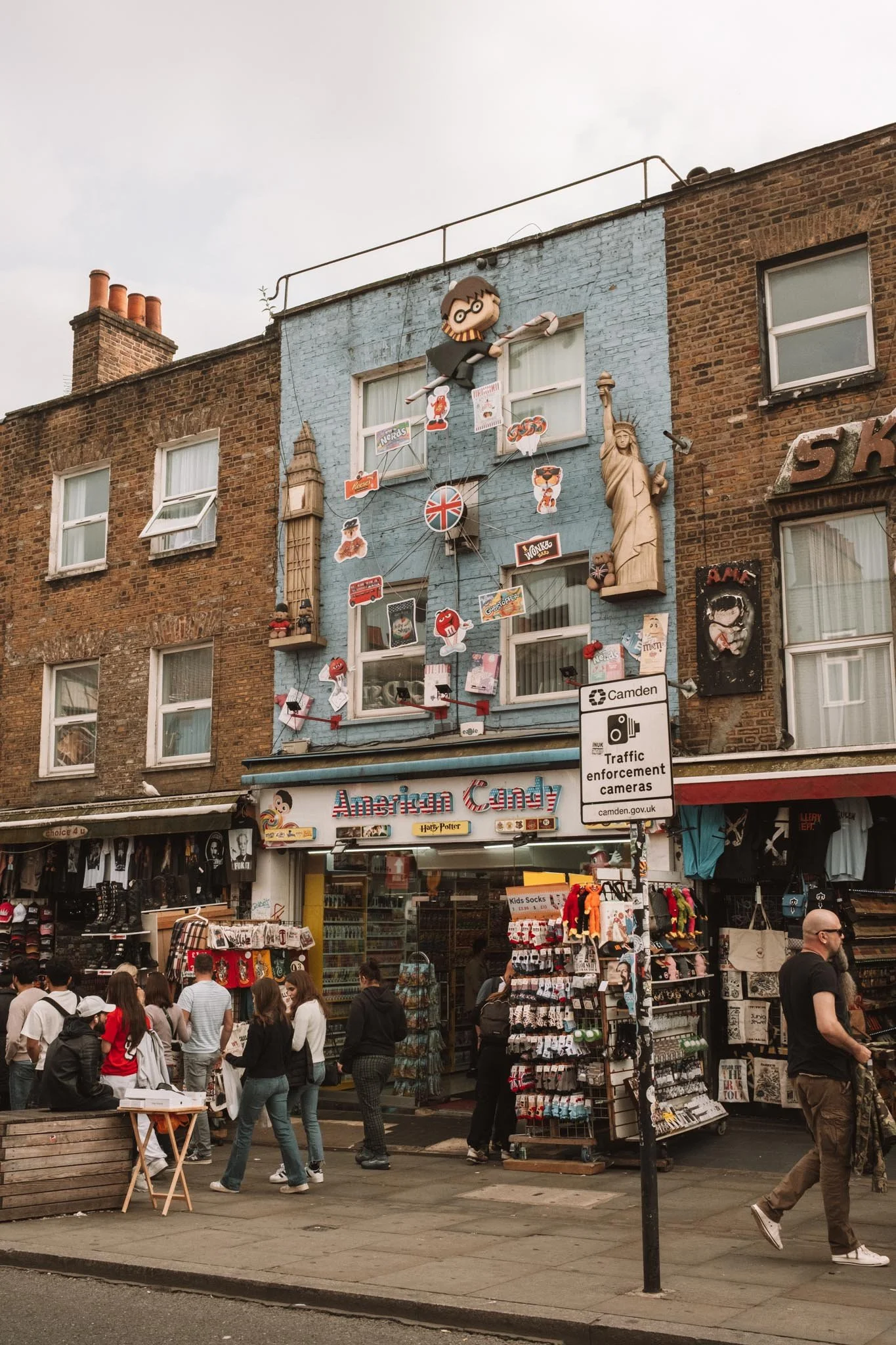
London's main shopping street and one of the busiest pedestrian streets in Europe. Loud, overwhelming and unavoidable. Do not treat it as a destination. Treat it as a corridor and explore the side streets instead. St Christopher's Place, a small pedestrian alley that branches off near Bond Street station, is a good example. Cafes, independent shops and almost none of the crowds from the main road. Selfridges is also on Oxford Street and worth going in for the perfume floor alone, one of the most extensive in the world covering everything from mainstream to niche.
Piccadilly
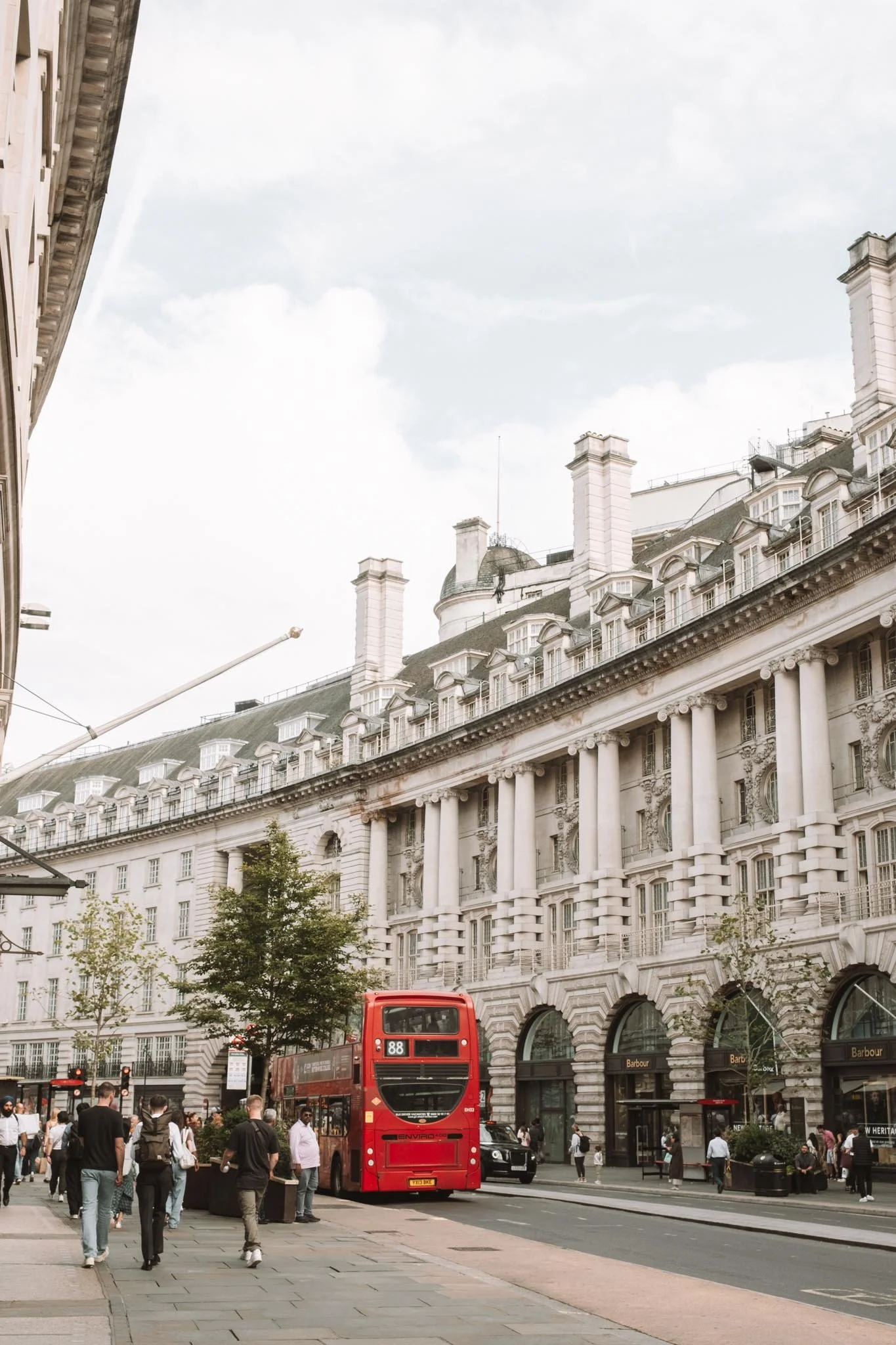
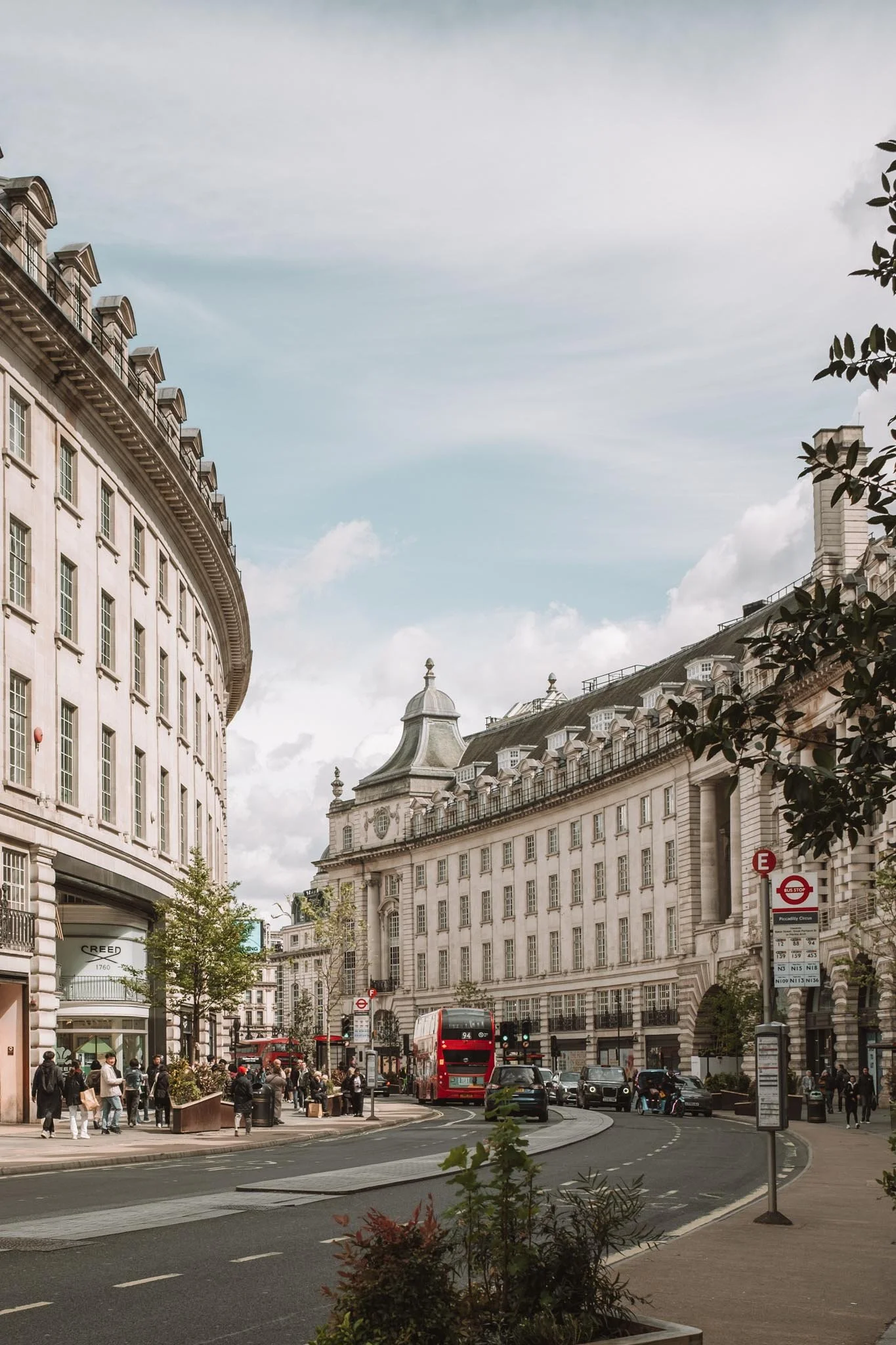
Most people picture Piccadilly Circus when they hear Piccadilly. The circus is the busy neon lit roundabout at the eastern end of the road and worth seeing once. But Piccadilly itself is a long road stretching through Mayfair and St James's, and that is where the good stuff is.
The road is lined with beautiful buildings, grand facades and some of London's most interesting institutions, from galleries and boutiques to Fortnum and Mason. It is the kind of street that reveals itself slowly, so resist the urge to rush through it. Two things in particular are worth slowing down for. The first is the bookshops. Hatchards, founded in 1797, is one of the oldest and most beautiful bookshops in the world. A short distance along is Waterstones Piccadilly, the largest bookshop in Europe, spread across six floors of an art deco building. If you care about books, do not walk past either.
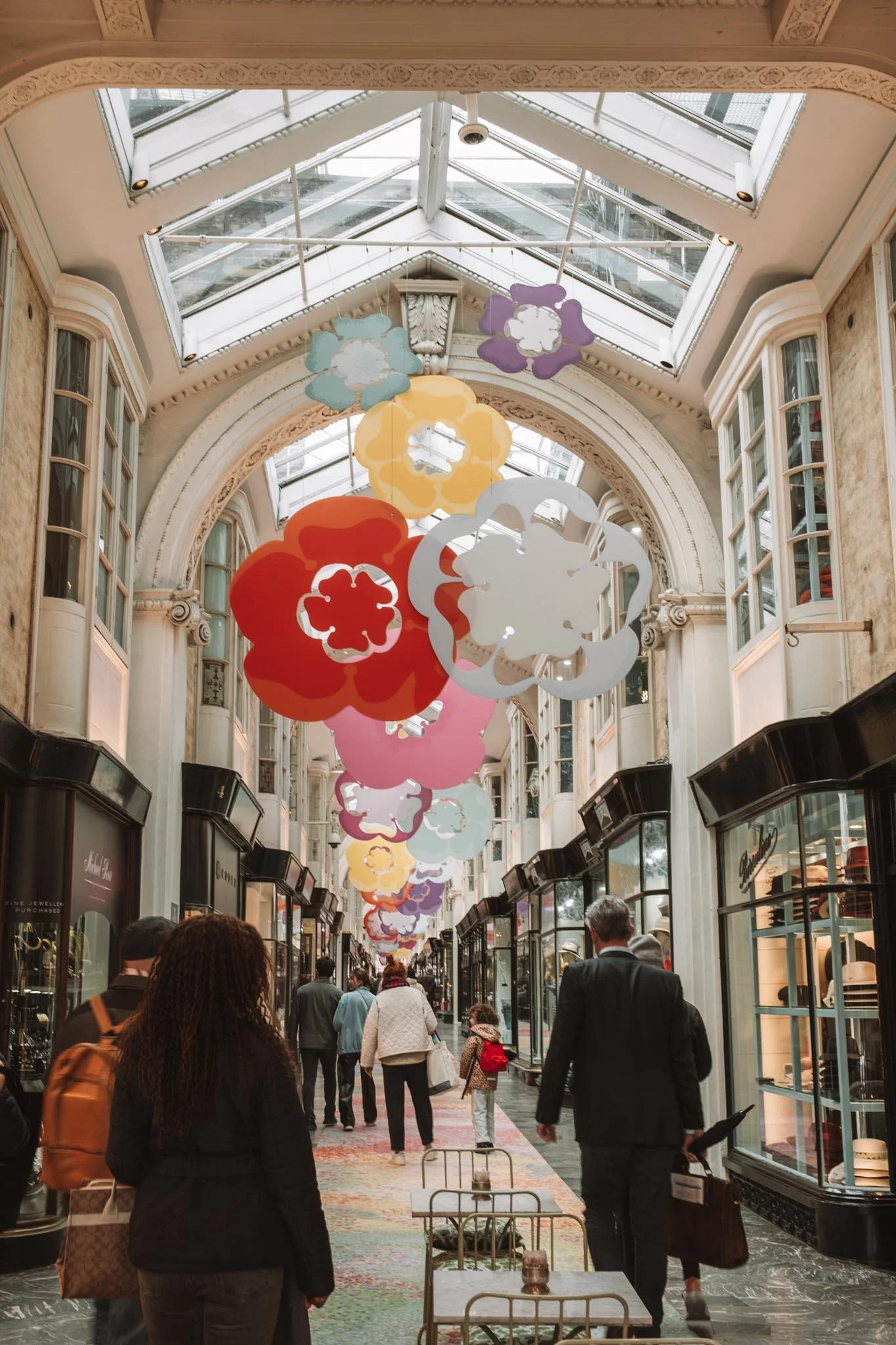
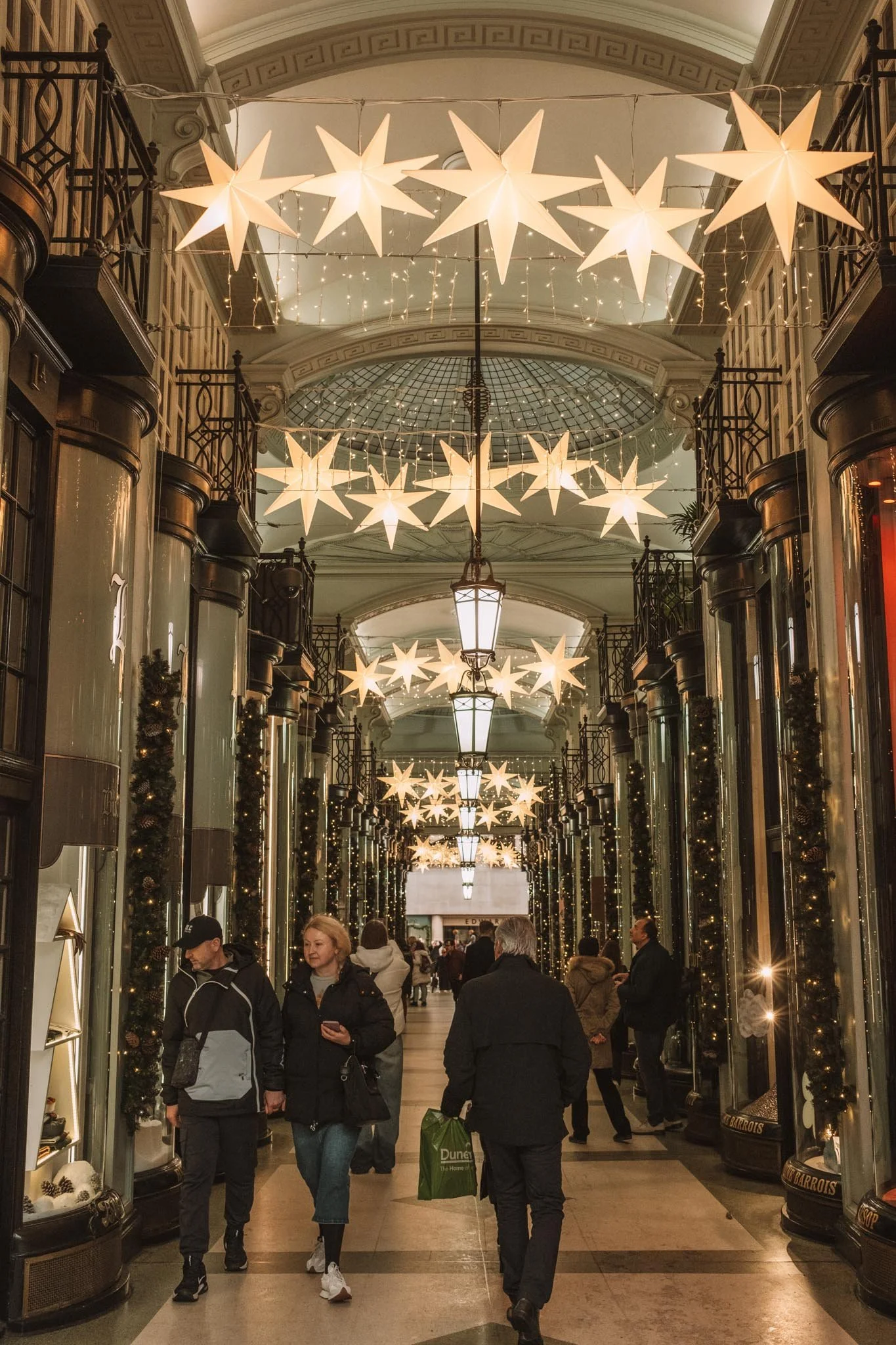
The second is Burlington Arcade, a covered shopping passage built in 1819 and one of the most distinctive spots on the street. A long elegant walkway lined with around 40 luxury boutiques selling jewellery, antique silver, cashmere and accessories, it feels completely removed from the city outside. What makes it unlike anywhere else are the Burlington Beadles, uniformed guards in Victorian frock coats and top hats who enforce a Regency era code of conduct inside. No singing, no whistling, no hurrying. Just across the street is Piccadilly Arcade, a smaller covered passage connecting Piccadilly to Jermyn Street, worth a walk through while you are in the area.
The Iconic Shops — Harrods and Fortnum and Mason
Harrods on Brompton Road is one of those places you have to walk through at least once. The food hall in particular is worth seeing. Multiple floors of beautifully presented food, specialty counters and more varieties of everything than you knew existed. Go for the spectacle.
Fortnum and Mason on Piccadilly is a genuine London institution. Worth going inside even if you buy nothing, but if you are looking for a souvenir that is actually worth buying, get the biscuits. They come in beautiful tin cans, taste extraordinary and travel well. The tea selection is equally impressive and makes a great gift. Skip the afternoon tea here though. I did it and it was underwhelming. There is a much better option covered in the food section.
Borough Market and Camden Market
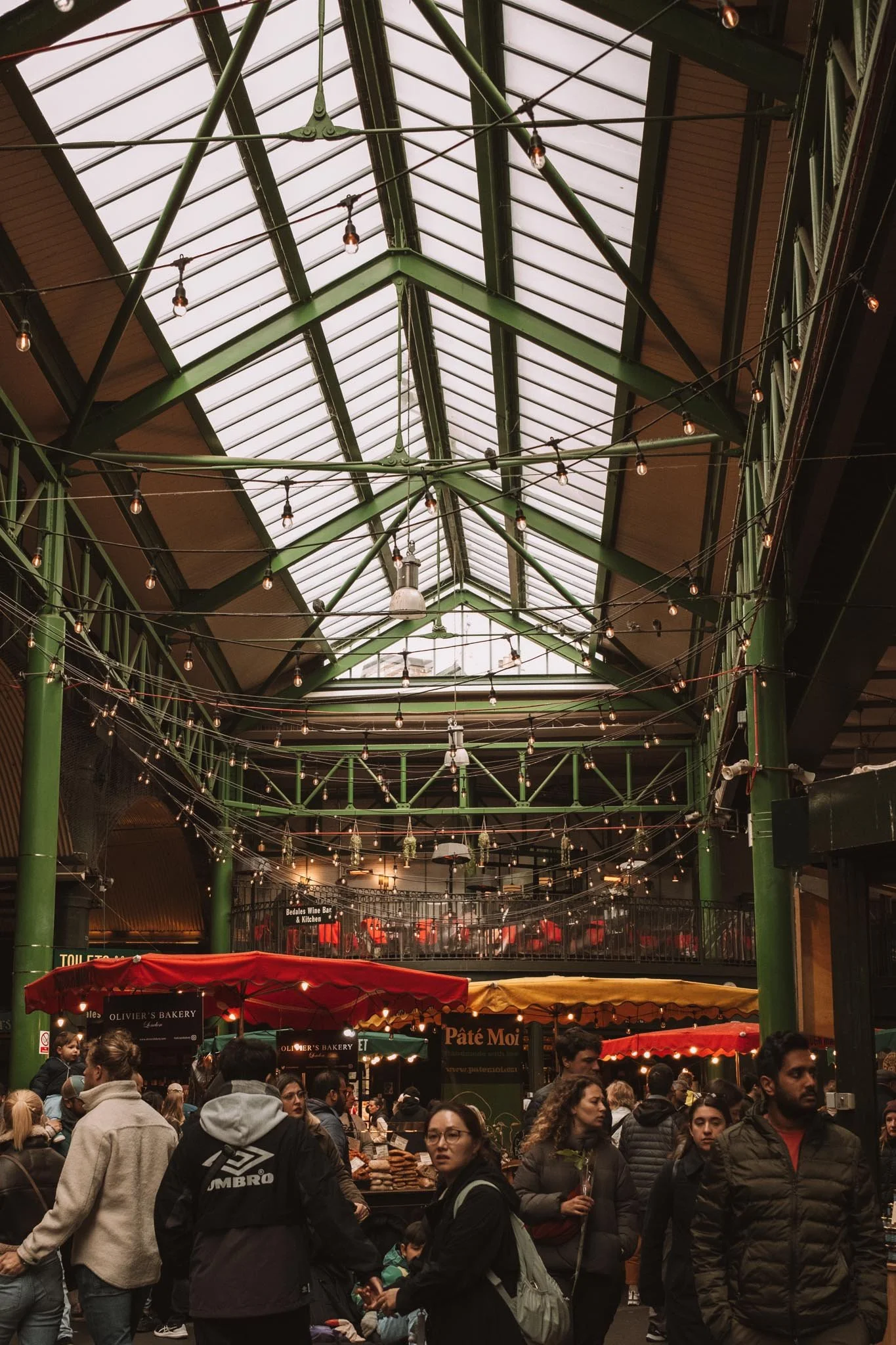
Both will come up in almost every London recommendation list so it is worth being honest about them. Borough Market near London Bridge is iconic and the individual food producers are good. But it is extremely crowded on weekends and the experience of actually eating there can be more stressful than enjoyable. If you want to go, go on a weekday morning when it is calmer and you can actually move.
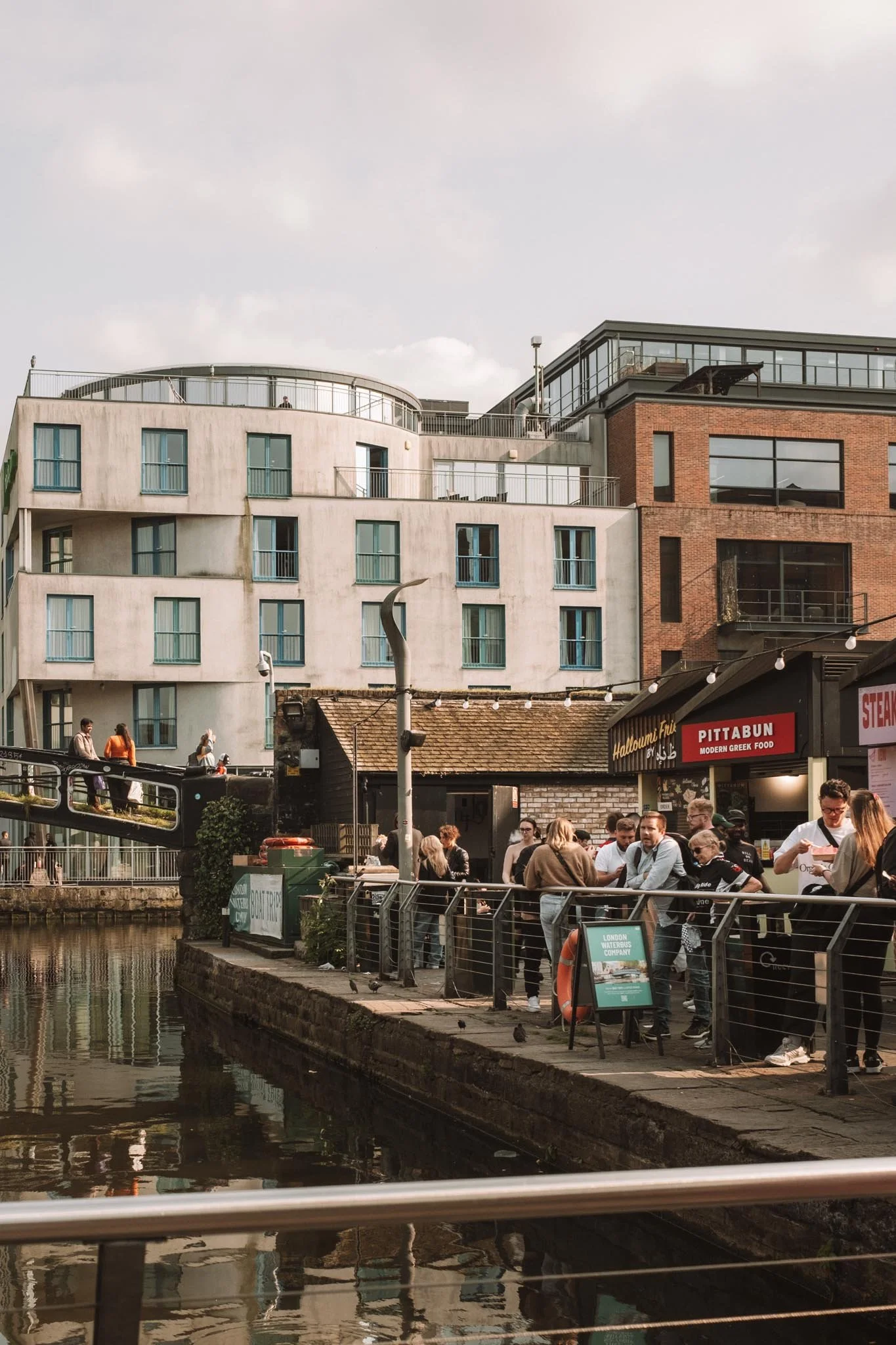
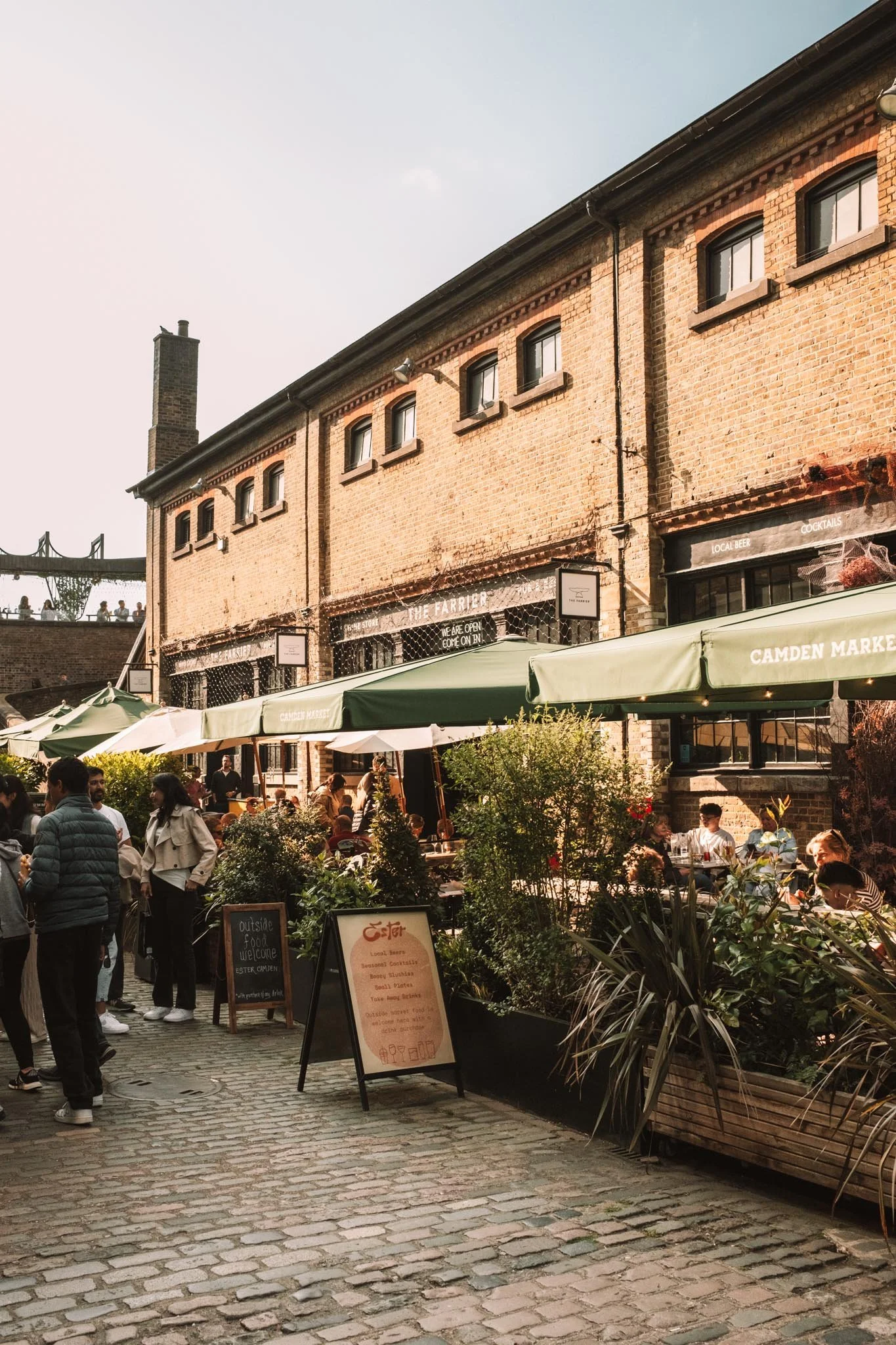
Camden Market gets onto almost every London guide without question. It is very crowded, the food is average and most of the shops sell similar things. If it is high on your list, go. If it is not, do not feel like you are missing something by skipping it. Your time is better spent at Maltby Street or Spitalfields.
Book Your Activities in Advance
A West End Show
Book one. London's West End is the best theatre scene in the world and seeing a show is one of those experiences that stays with you long after the trip. I have seen Hamilton, Cabaret, Harry Potter and the Cursed Child, Tina the Musical, and The Play That Goes Wrong during my time in London. If I had to pick two to recommend without hesitation it would be Cabaret and The Play That Goes Wrong. Both are exceptional and represent exactly what makes the West End worth the ticket price.
Tickets range from reasonable to expensive depending on the show and how far in advance you book. The TKTS booth on Leicester Square sells same-day and advance discount tickets for many shows if you want to save money. Book through the official theatre website wherever possible to avoid third party fees.
Neighborhoods Worth Wandering
London is best understood neighborhood by neighborhood, and the ones worth seeking out are rarely the ones at the top of the tourist trail. Here are a few worth adding to your list. For a full breakdown of every neighborhood, see the complete London neighborhoods guide (coming soon).
Marylebone
One of the most underrated neighborhoods in central London and my top recommendation for first time visitors. Marylebone High Street is one of the best streets in the city for an unhurried morning, lined with independent shops, good cafes and restaurants that feel designed for people who actually live there. Daunt Books, one of the most beautiful independent bookstores in the world, is here. If you only explore one neighborhood beyond the obvious, make it this one.
Notting Hill — Westbourne Grove specifically
Most guides send people straight to Portobello Road. It can be very crowded during weekends. But the real Notting Hill is on Westbourne Grove, a beautiful street lined with independent boutiques, good cafes and far fewer tourists than the market street. It is the kind of place that makes you understand why people pay so much to live in this part of London.
Shoreditch and Hackney
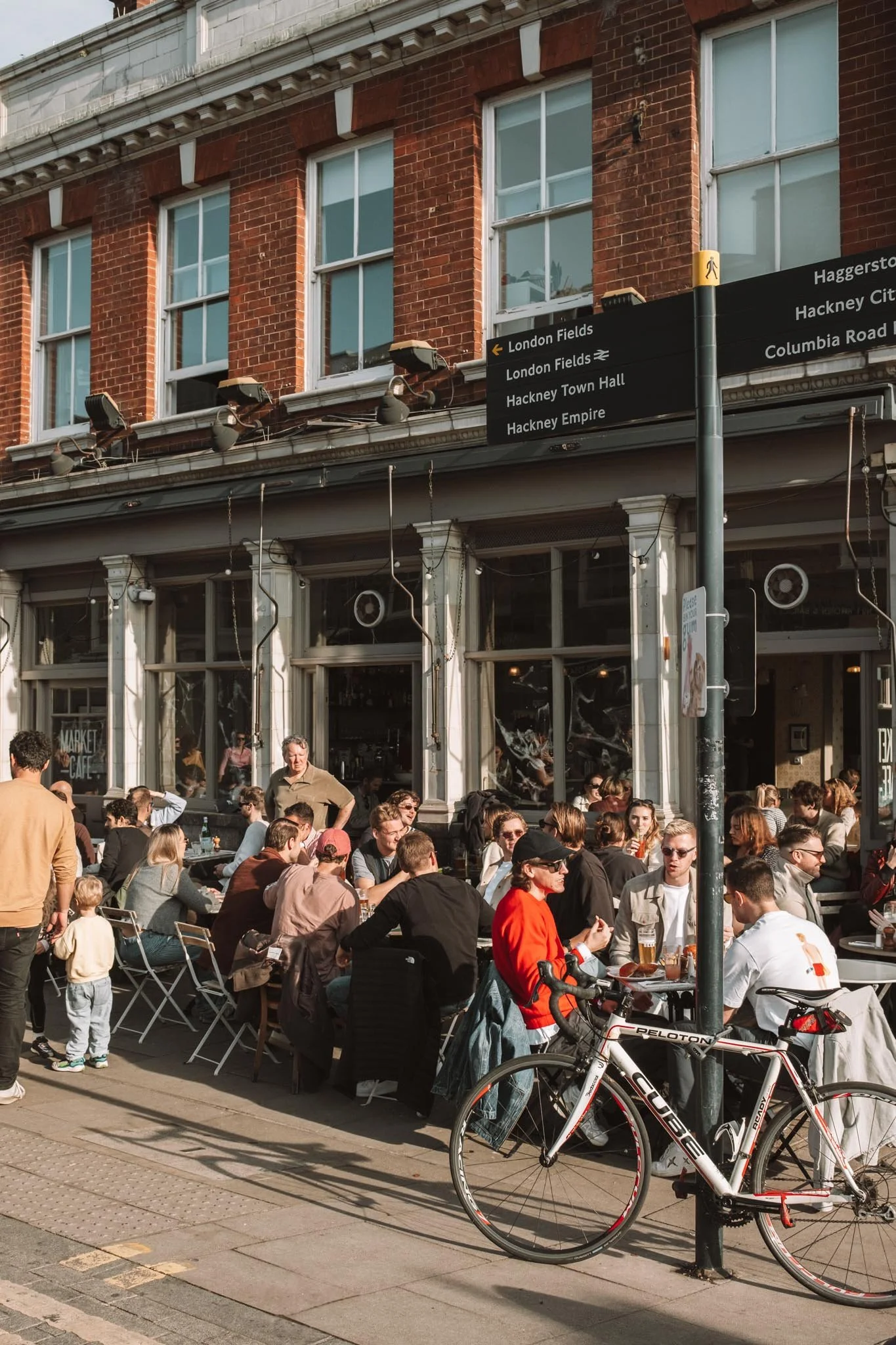
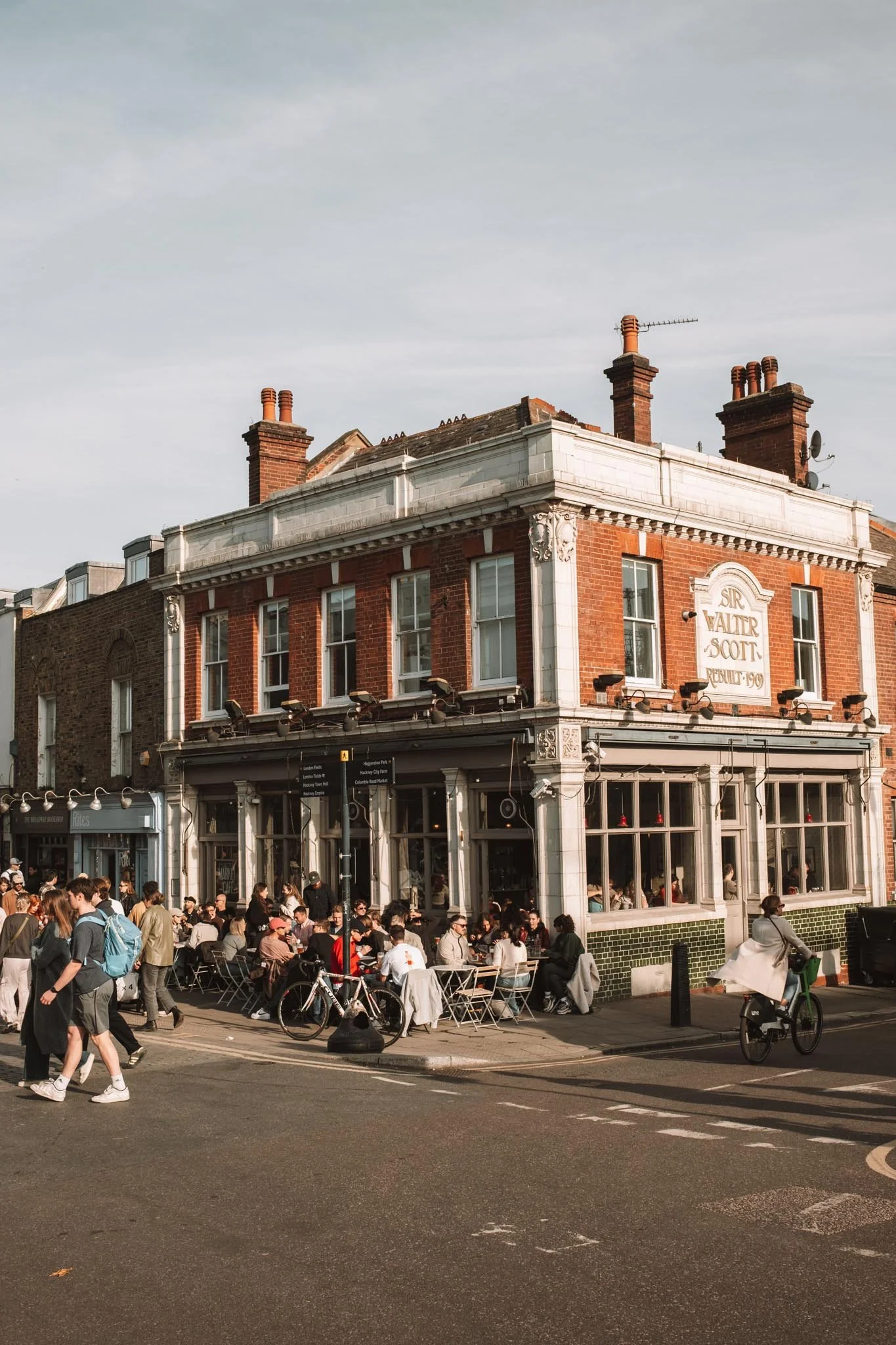
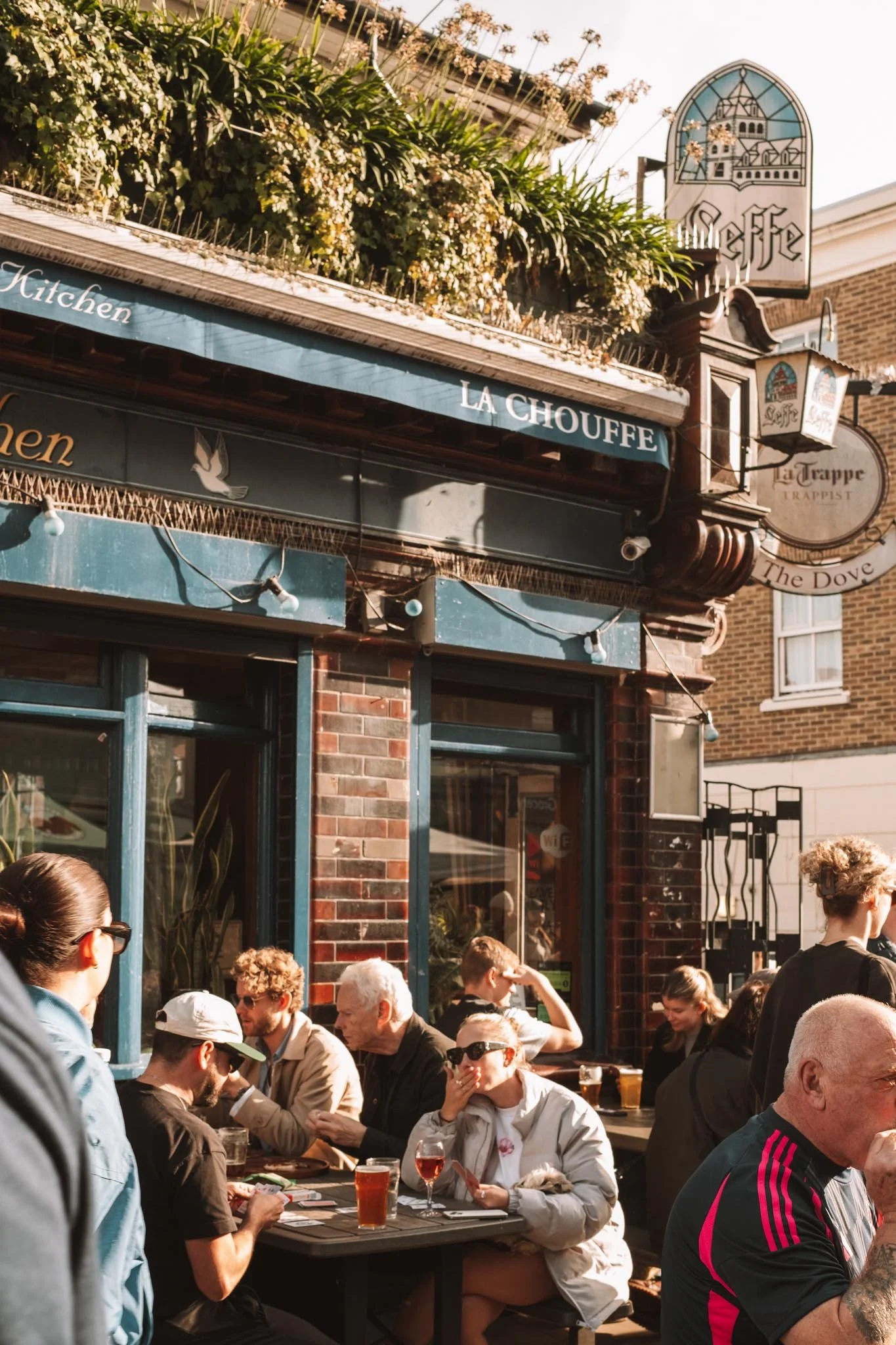
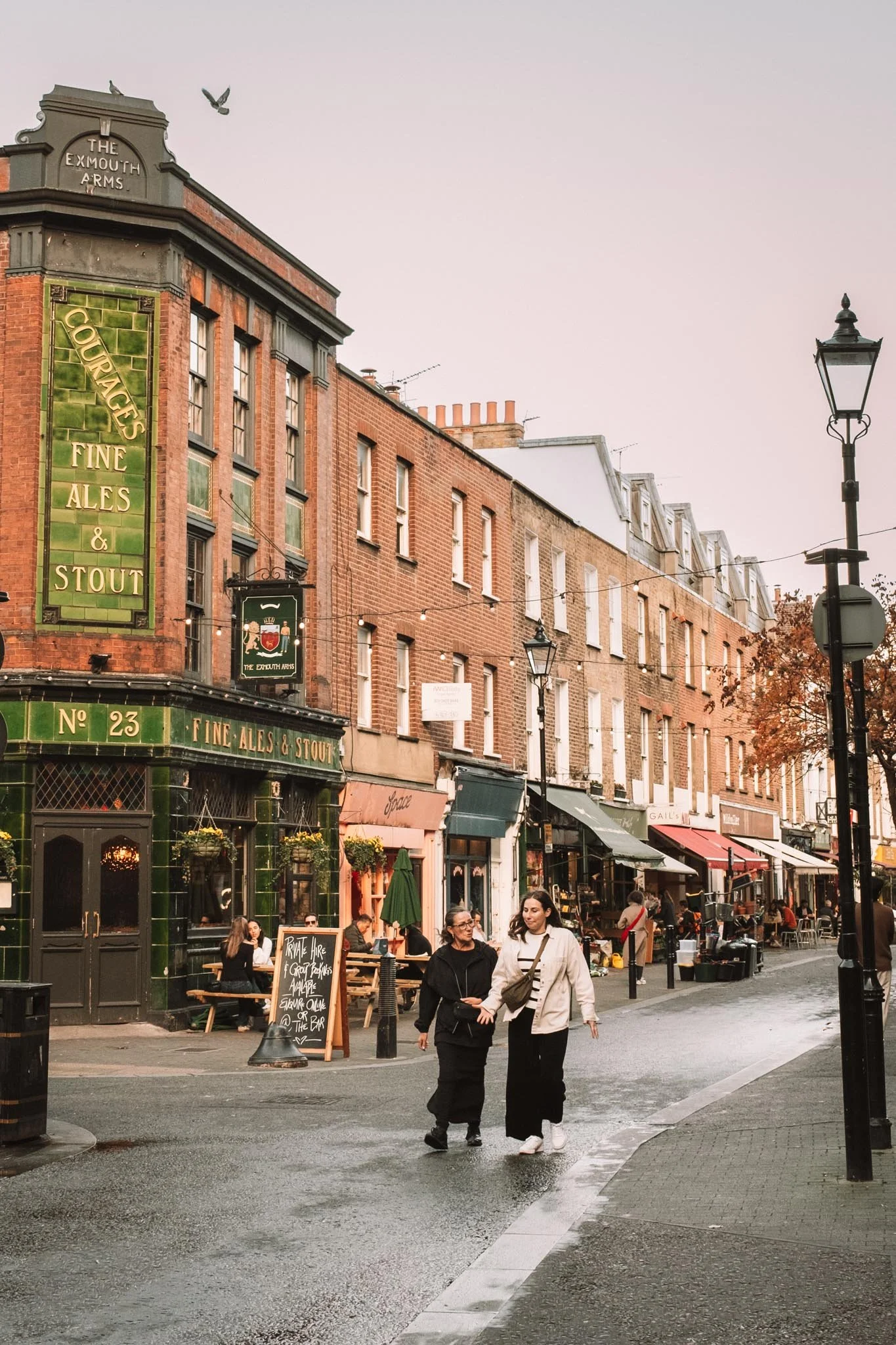
East London's creative heartland and the best area in the city for food, street art, independent shops and nightlife. Shoreditch is the more polished entry point, with Columbia Road, Spitalfields and Brick Lane all within easy reach. Hackney sits just beyond it and has a rougher, more local energy that is worth exploring if you have an extra day and want to see a part of London that feels genuinely unfiltered.
Angel
Sits just north of the City and offers one of the best combinations of local atmosphere and central convenience in London. Upper Street is the main drag, lined with independent coffee shops and restaurants that are not aimed at tourists. It is hip without being self-conscious about it and significantly better value than the neighborhoods further west. A good choice for travelers who want to feel like they are actually living in London rather than visiting it.
What Locals Actually Do
Columbia Road on a Sunday Morning
Columbia Road Flower Market runs every Sunday from around 8am in East London. Get there before 10am before it gets truly packed. People squeeze through the narrow street with armfuls of dahlias and eucalyptus and the surrounding side streets are lined with some of the best independent shops and cafes in the area. Stop at Jack Garcia Coffee for a sausage roll. It is the best one I have ever had, and my partner agreed.
Maltby Street Market
Maltby Street is what Borough Market would be if it had not been discovered by tourism. It runs on weekends under the railway arches just south of London Bridge, is smaller, more local and has some of the best street food in the city.
Spitalfields Market
Spitalfields sits on the edge of the City and Shoreditch and runs throughout the week, with the best days being Thursday through Sunday. The Victorian market hall has independent fashion, food stalls and art. The surrounding streets, particularly Brick Lane, are some of the most interesting in East London for a wander.
The Parks
London's parks are consistently underused by visitors. Holland Park is beautiful and quieter than Hyde Park, with a Japanese garden inside that most people walk past without noticing. Victoria Park in East London is where locals actually go on weekends, especially in summer. Both are worth a half morning of doing nothing in particular.
Broadway Market
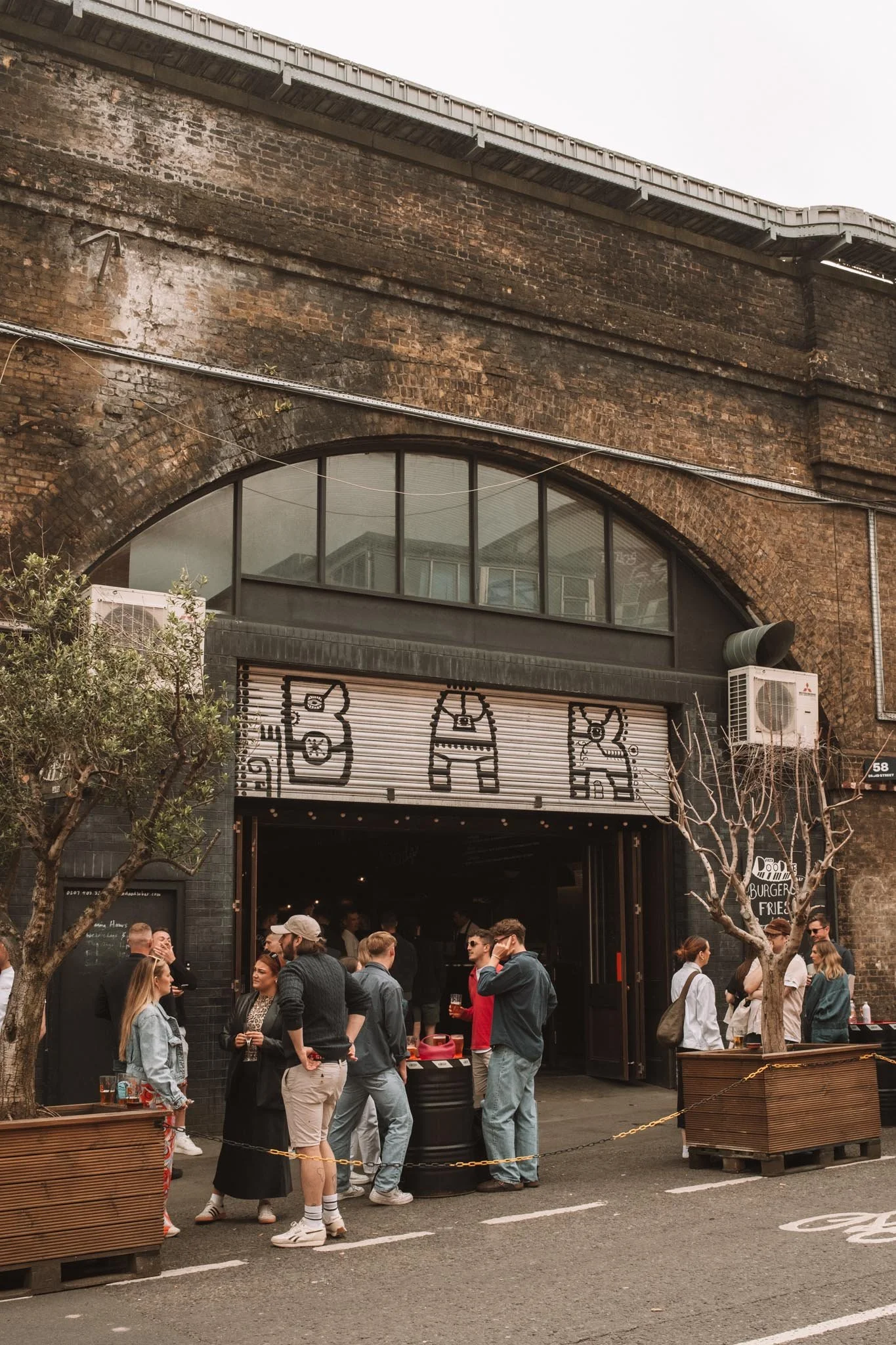
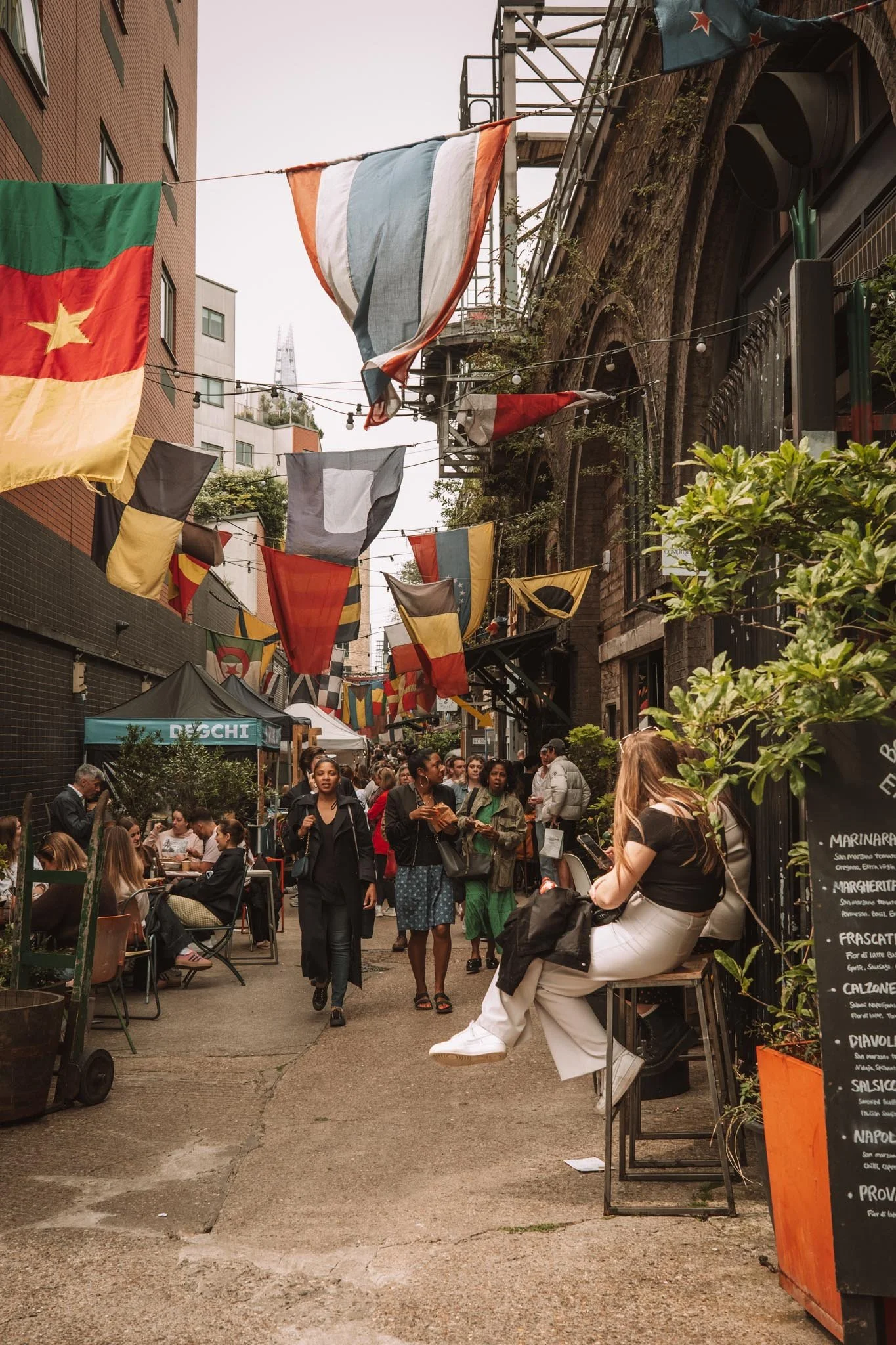
A tree lined street in Hackney that comes alive every Saturday with one of the best markets in East London. Independent food stalls, small producers, good coffee and a crowd that is entirely local. It has none of the tourist energy of Borough Market and none of the chaos of Columbia Road. Go for the market, stay to wander the surrounding streets and the canal path that runs alongside London Fields just behind it. This is the kind of Saturday morning that makes London feel like a place worth living in.

Shopping in London
London is one of the great shopping cities in the world, and the range is extraordinary. From grand department stores and historic arcades to independent boutiques on residential high streets, the city rewards browsers as much as buyers. Here is how to navigate it.
The Department Stores
The three worth going into regardless of budget are covered in the things to do section above. Harrods on Brompton Road for the food hall and the spectacle. Selfridges on Oxford Street for the perfume floor. Fortnum and Mason on Piccadilly for the biscuits, the tea and the building itself. All three are experiences as much as shops.
The High Streets Worth Knowing
Beyond Oxford Street, which is worth treating as a corridor rather than a destination, London has a handful of high streets that are honestly worth shopping on.
Marylebone High Street is the best in the city for a relaxed morning of browsing. Independent boutiques, good homeware shops, Daunt Books and a string of excellent cafes make it the kind of street you can spend a couple of hours on without noticing. This is where Londoners who care about quality over quantity actually shop.
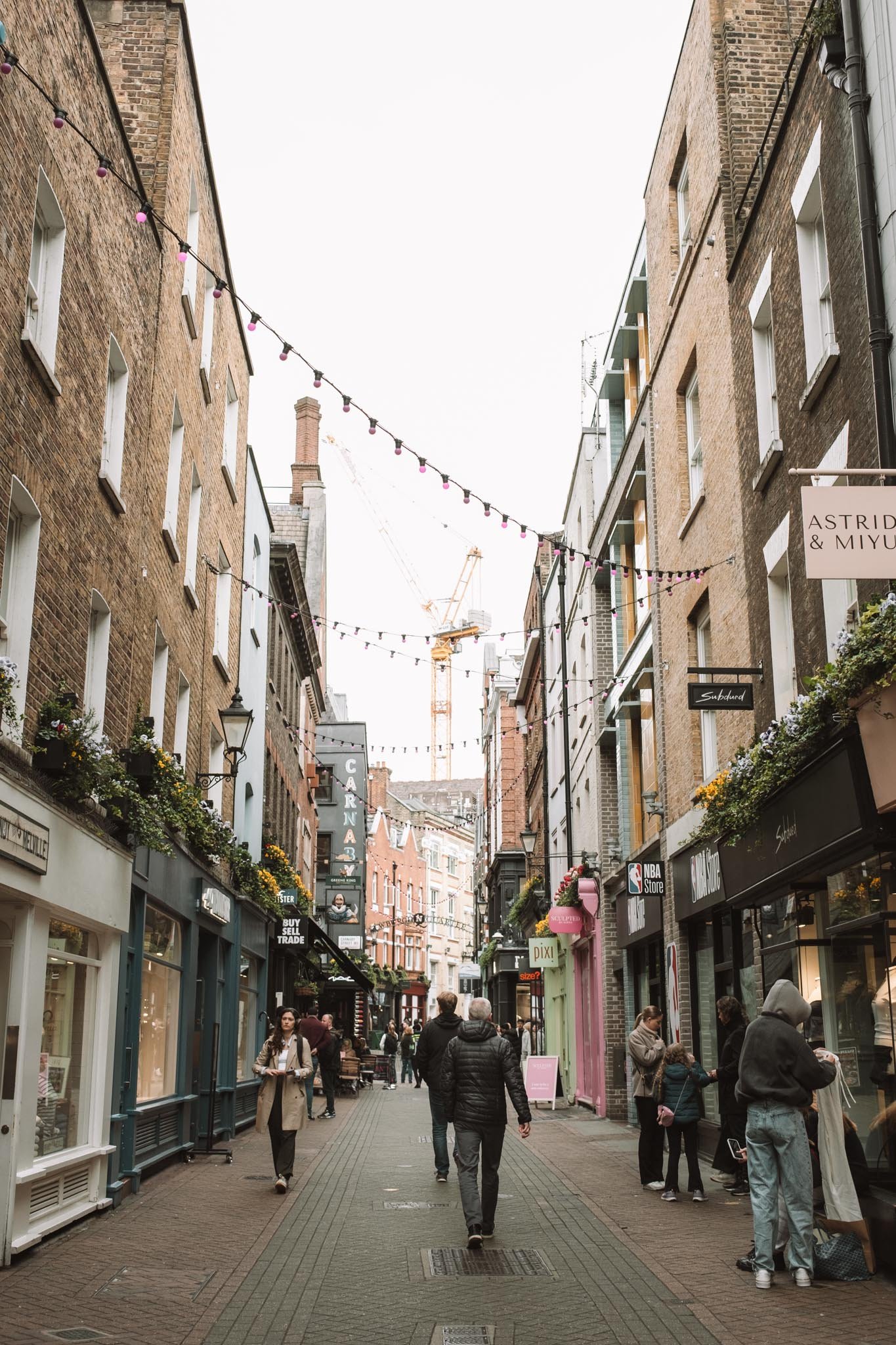
Carnaby Street in Soho is smaller than its reputation suggests but worth a wander for independent fashion, streetwear and some of the most interesting shop fronts in central London. The surrounding streets, particularly Newburgh Street just off Carnaby, have some of the best independent boutiques in the area.
Westbourne Grove in Notting Hill is where the neighborhood's real character lives. Beautiful independent shops, good interiors and homeware stores and a general sense that everything on the street has been curated rather than franchised. Significantly less crowded than Portobello Road and far more enjoyable for actual shopping.
King's Road in Chelsea has a long history as one of London's great shopping streets and still delivers, particularly for fashion and interiors. It runs through the heart of Chelsea and is worth walking end to end. The further west you go the more residential and interesting it gets.
Brompton Road in Knightsbridge connects Harrods to a string of high-end boutiques and international brands. If your budget runs to luxury shopping this is the street. Even if it does not, the street itself is beautiful and worth walking.
Columbia Road is better known for the Sunday flower market but the street itself has a string of truly excellent independent shops selling ceramics, art, homeware and vintage pieces. If you want to browse the shops without navigating the market crowds, go on a weekday when the street is quieter and the shops are still open. A very different experience from the Sunday chaos and worth it in its own right.
The Boutiques
London's best independent boutiques are spread across these high streets and the residential streets between them. Rather than listing individual shops here, all of the best ones, organized by neighborhood, are on the London Saved Map. If boutique shopping is a priority for your trip it is the most useful resource for this. Check out the London Saved Map here.
What to Eat in London — What the City Does Well
Let me start with the most persistent myth in travel: that London has bad food. It does not. What London has is bad food that is easy to find and great food that takes some hunting. After almost a year of eating my way through the city, I can tell you the hunting is absolutely worth it.

What London Does Well
Indian Food
London has some of the best Indian food in the world, full stop. The British Indian community has been cooking here for generations and the depth and variety of what is available, is extraordinary. The problem is that most visitors go straight to Dishoom. I understand why. It is everywhere, it photographs well and every travel guide mentions it. But it is not the best Indian food in London. Not even close. The best is in neighborhood restaurants that do not have a PR budget or a queue around the block. I have eaten at enough of them to know the difference, and they are all on my London map.
The Sunday Roast
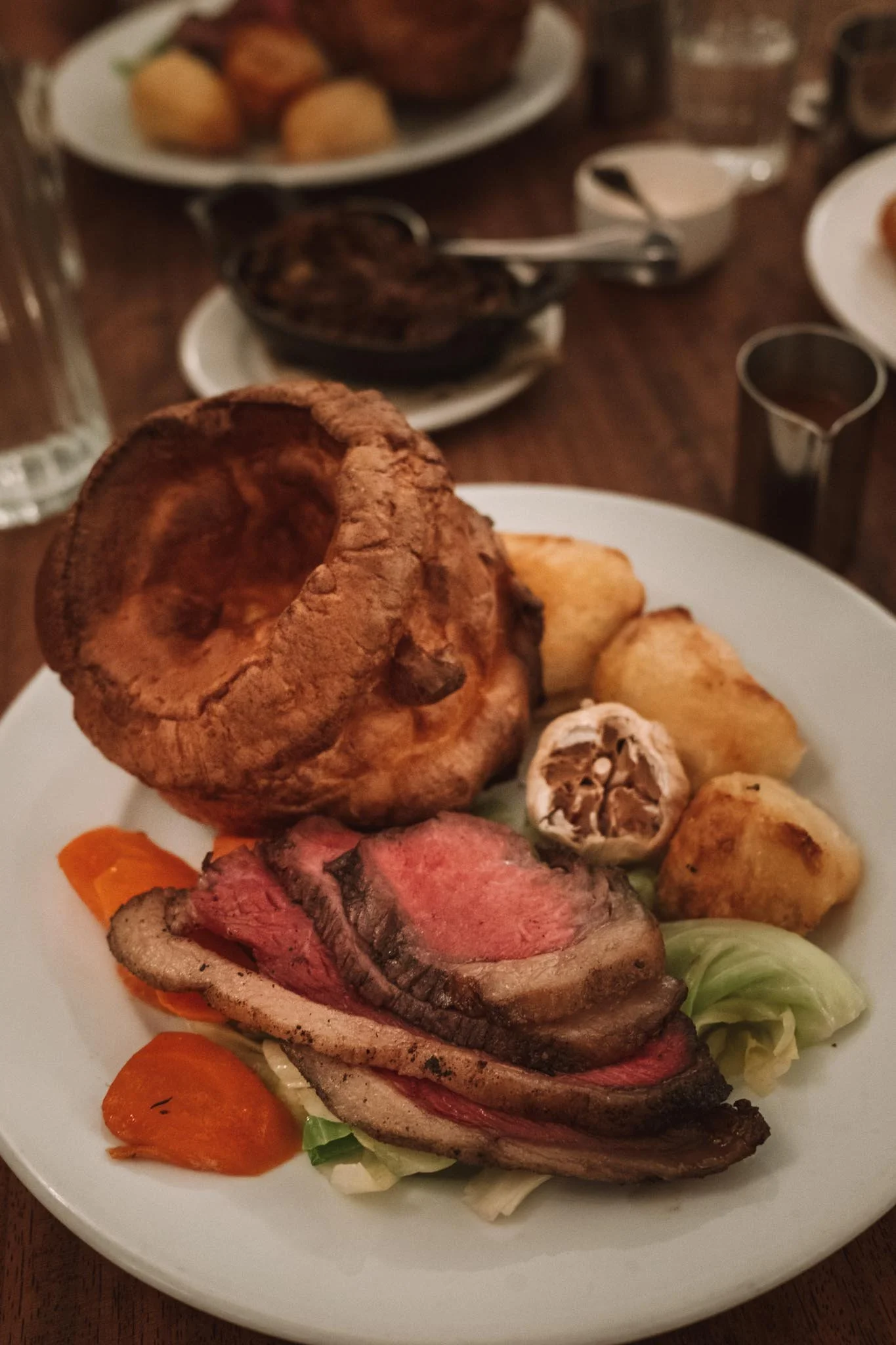
If you are visiting on a weekend, find a pub that does a proper Sunday roast and go. This is not a suggestion. The Sunday roast is one of Britain's sincerely great food traditions: roasted meat, crispy potatoes, Yorkshire pudding, gravy and vegetables, served in a pub with good beer and no particular urgency. It is the kind of meal that takes two hours and feels like exactly the right way to spend a Sunday. Book ahead at any pub worth going to. The good ones fill up fast.
Fish and Chips
A London classic and worth trying at least once. The gap between a good fish and chips and a bad one is significant. A good one has light crispy batter, fresh fish and proper chips. A bad one is everything you have heard about British food. Avoid anything near a major tourist sight and look for a place with a queue of locals.
The English Breakfast
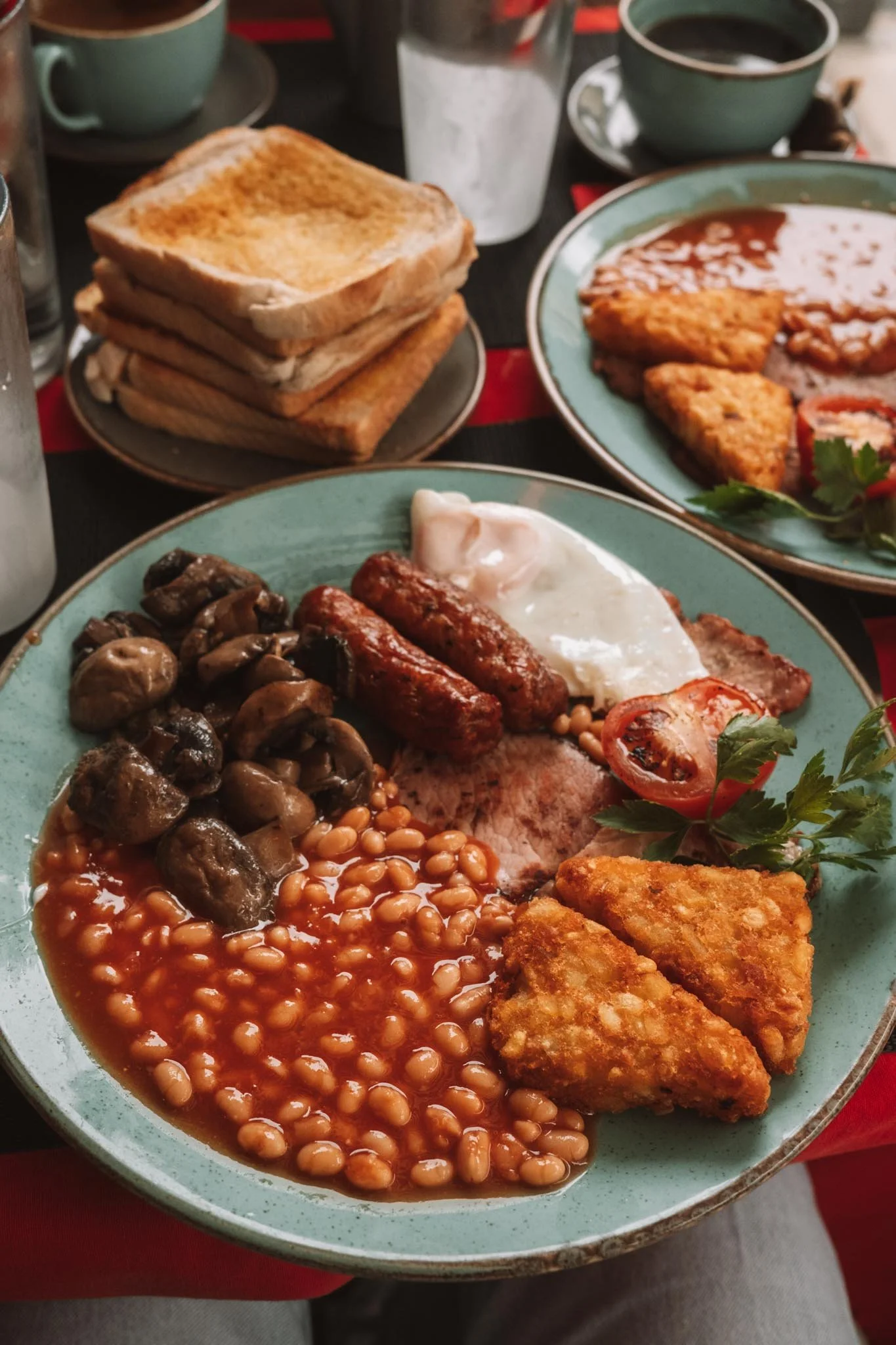
The full English breakfast is one of those meals that sounds heavy and turns out to be exactly what you need after a long day of walking the city the day before. Eggs, bacon, sausage, baked beans, grilled tomato, mushrooms and toast. The best one I had in London was at Bread Ahead in Wembley. My boyfriend agrees it is some of the best he ever had. Bread Ahead is better known for its bakery and pastries but the breakfast is worth the trip on its own. Also, check out Regency Cafe,Terry's Cafe, and E Pellicci, they are classic local spots.
The Sausage Roll
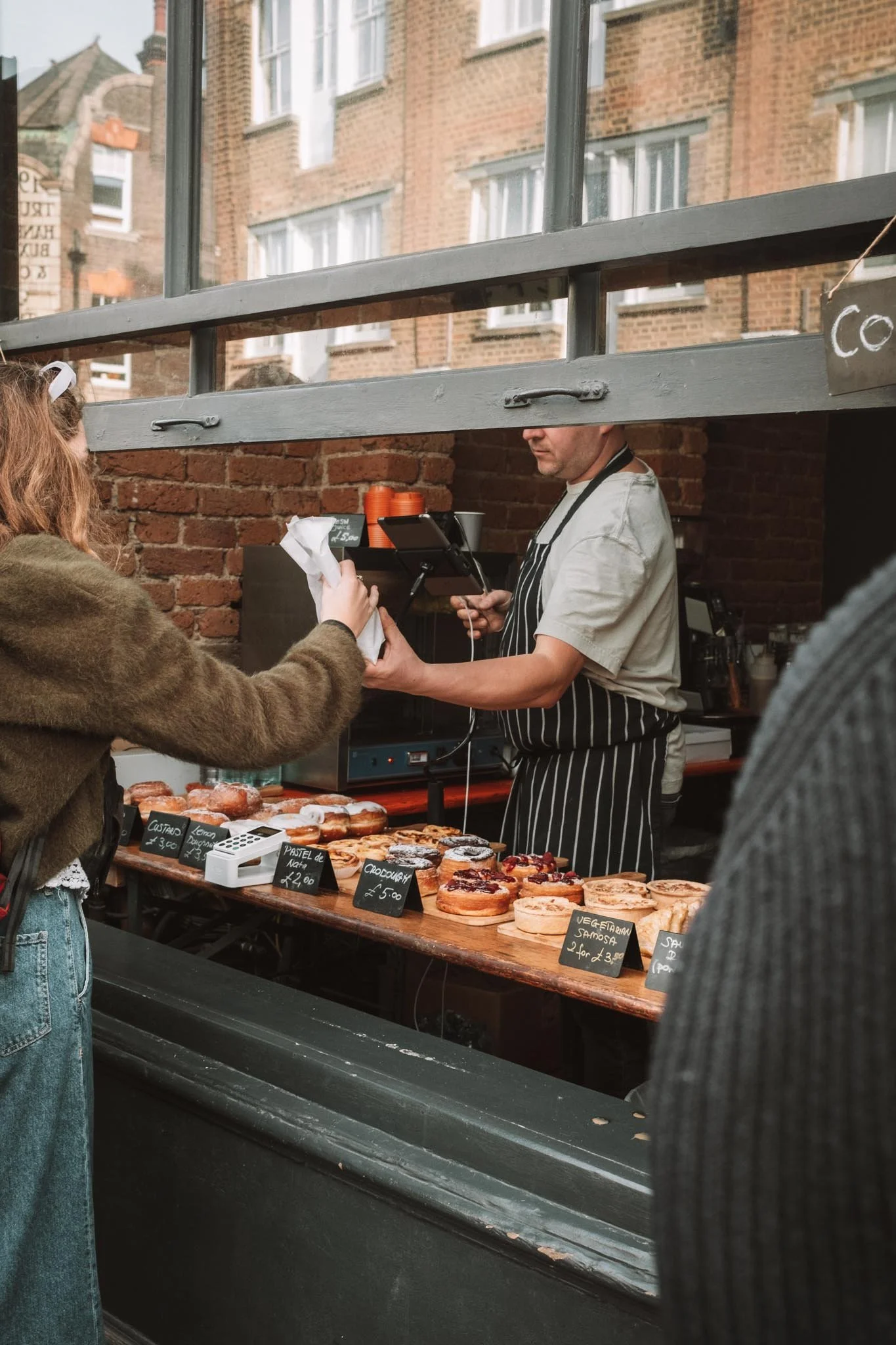
Do not underestimate the sausage roll. London's cafe and bakery culture has elevated what is essentially a pastry wrapped around meat into something honestly worth seeking out. The best one I have had anywhere is at Jack Garcia Coffee on Columbia Road. Go on a Sunday when the flower market is on and treat it as breakfast.
Afternoon Tea
Worth doing once. Skip the obvious tourist options and the overpriced hotel lobbies near Buckingham Palace. The one I would actually recommend is at The Orangery at Number Sixteen Hotel. It is a small, quietly beautiful spot with a garden that makes the whole experience feel like something other than a tourist activity. Book in advance.
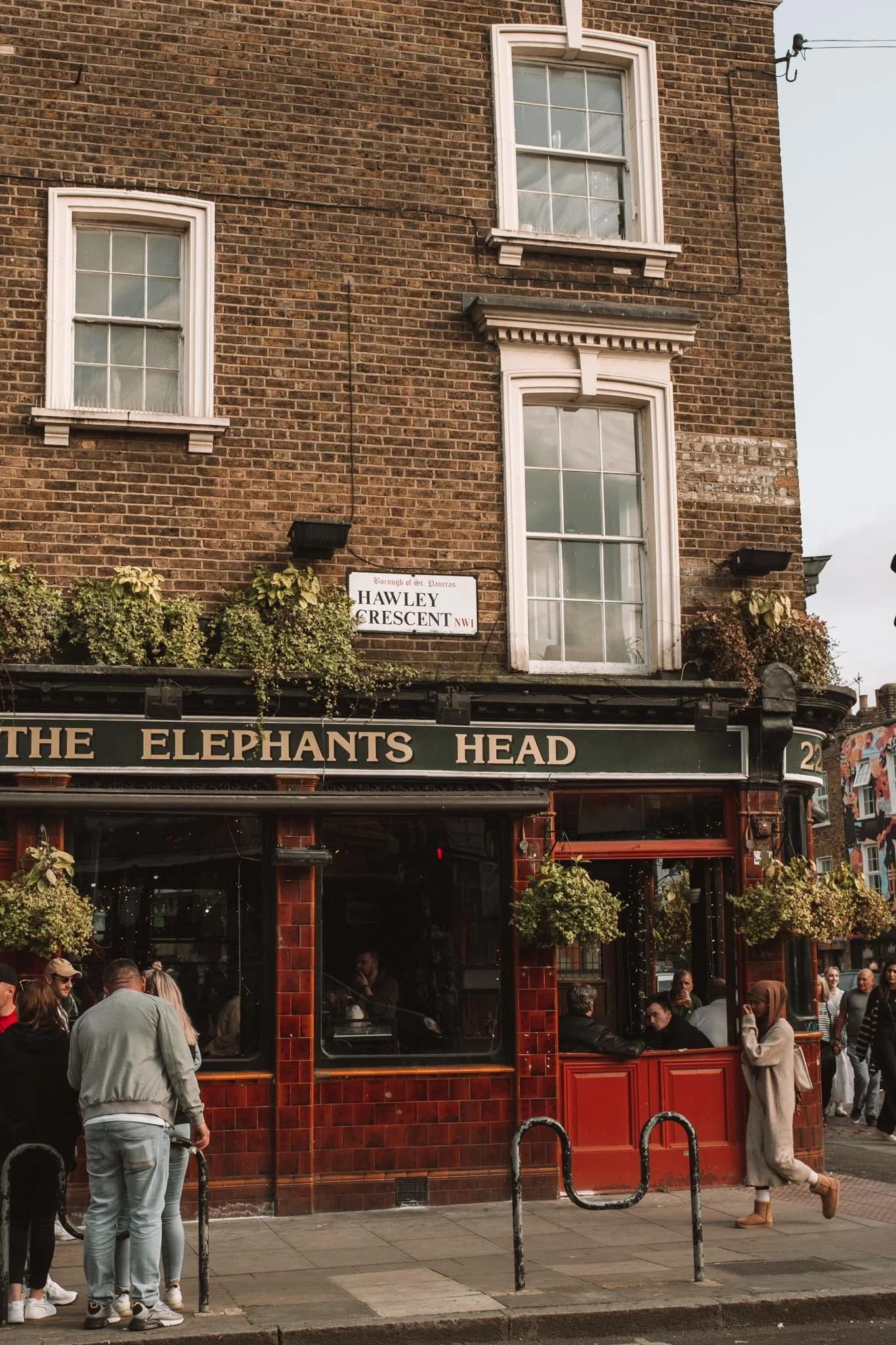
Pubs and the Churchill Arms
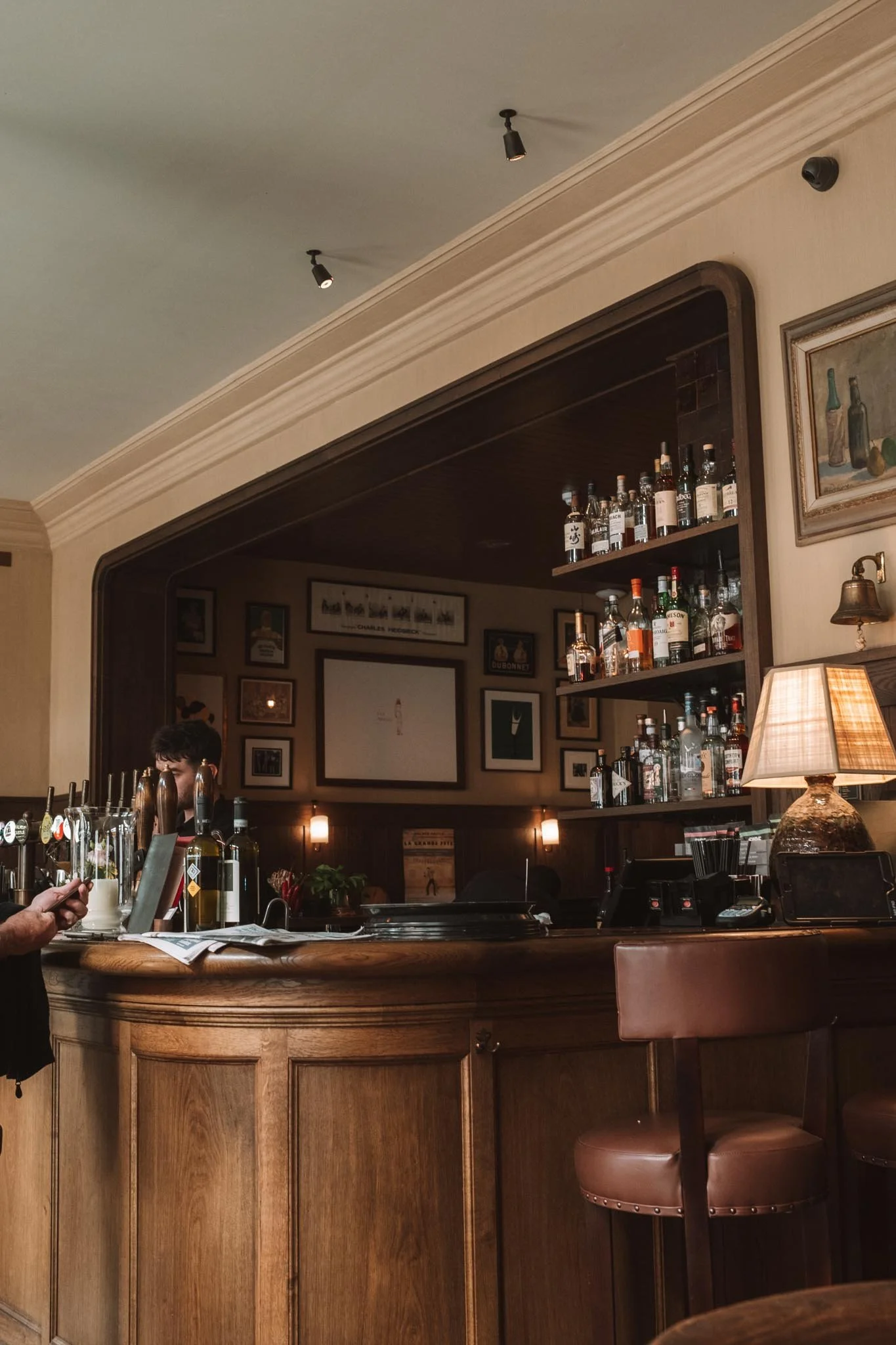
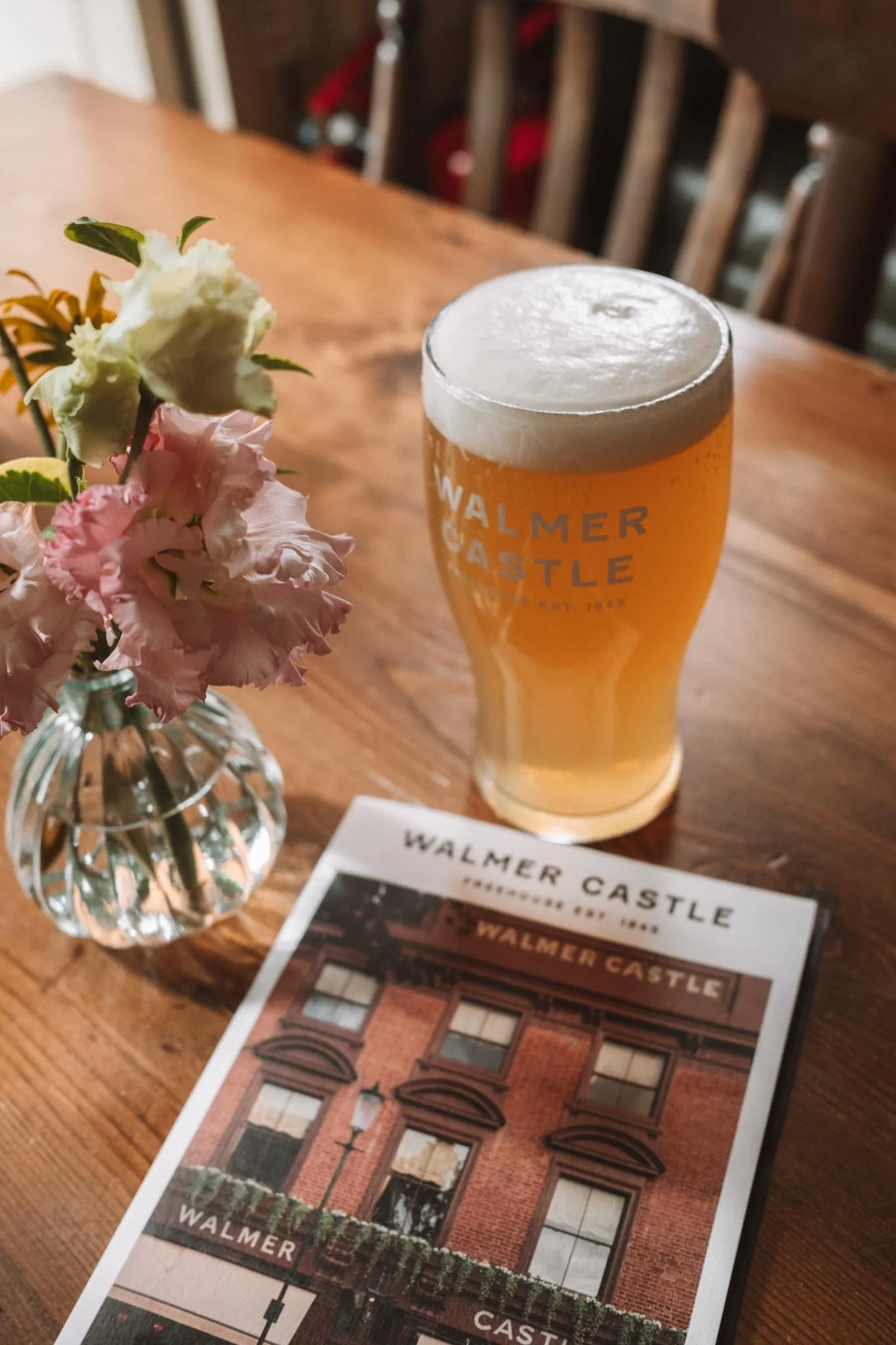
London's pub culture is one of the things that actually surprised me when I lived there. A good pub is not just a place to drink. It is a neighborhood living room, and the food at the better ones is far better than you would expect. One thing that catches visitors completely off guard: some of the best pubs in London serve Thai food. It is a very London thing and it works better than it sounds.
The Churchill Arms in Kensington is the best example. It is one of the most famous pubs in London, covered in flower baskets and really beautiful from the outside. Go for a beer and stay for the Thai food. I ate there during my time in London and the combination of a classic English pub interior with a full Thai kitchen in the back is one of those only-in-London experiences that stays with you.
Coffee
London has a serious coffee culture. Independent coffee shops are everywhere across the city and the standard is consistently high. This is not the instant coffee and builder's tea stereotype. The best coffee is in the neighborhood cafes, the kind of places you find by wandering a residential street rather than following a recommendation list. Every neighborhood worth spending time in has at least one.
The Food Map
After almost a year of eating across London, from neighborhood Indian restaurants to hidden bakeries to the best pub kitchens in the city, I put together a saved Google Map of every place I would actually recommend. It covers restaurants, cafes, bakeries and food markets across the city, shops, neighborhoods, and more. If you want to eat well in London without spending weeks figuring out where to go, it is worth the price.
Explore London Like a Local
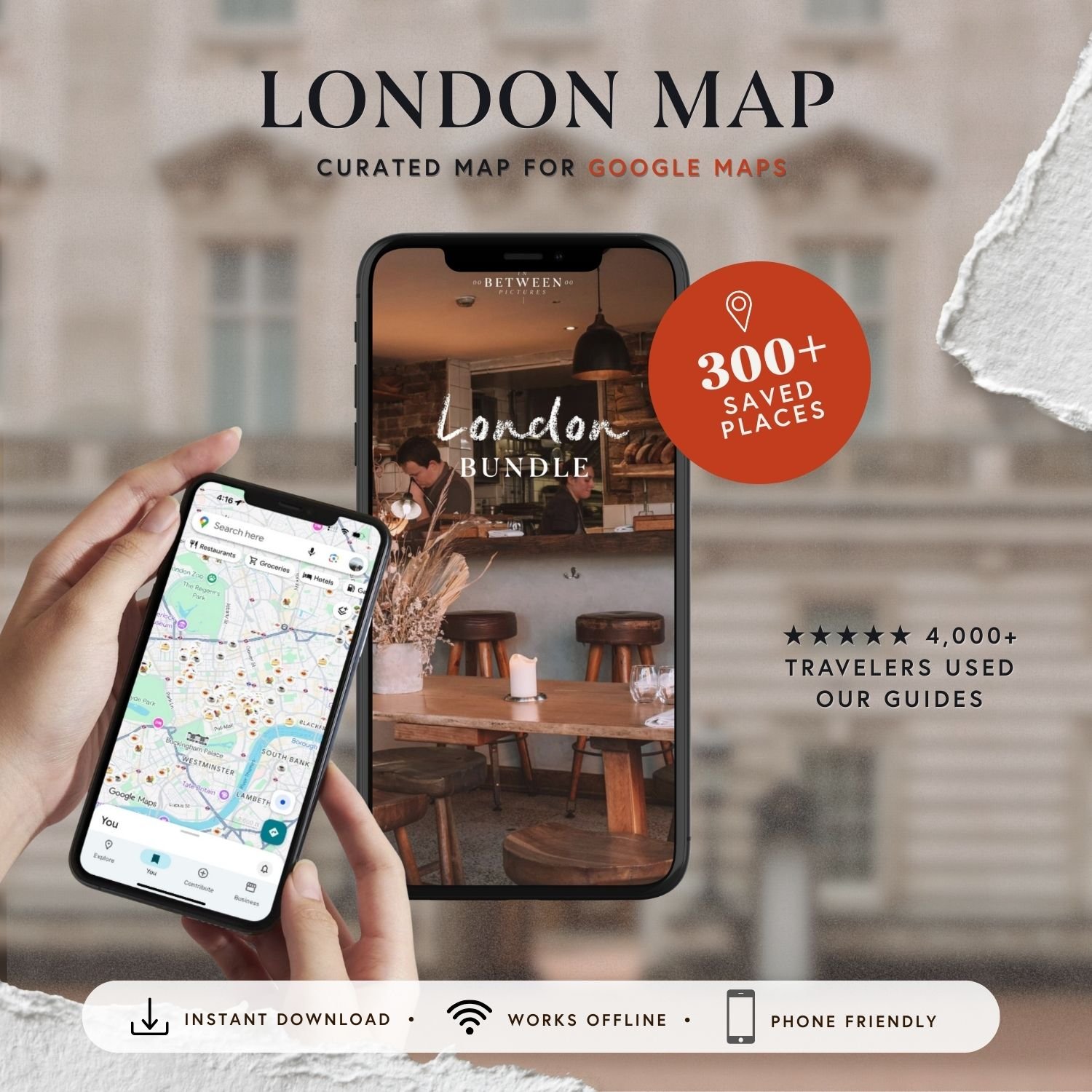
300+ hand-picked local spots: restaurants, coffee shops, pastries, boutiques, and hidden gems, already saved in your Google Maps. No tourist traps. Just the spots London locals actually go to.
$19.99 — instant download, works offline
How Much Does London Cost? Budget Breakdown 2026
London has a reputation for being expensive, and it is not entirely wrong. But it is also a city where you can spend an entire day at world class museums, walk through some of the most beautiful neighborhoods in Europe and eat exceptionally well without spending a fortune, if you know where to look. The free museum culture alone puts London ahead of most comparable cities on value.
Here is an honest breakdown of what to expect at different budget levels, based on current 2026 prices. Accommodation costs below are per room per night. If you are traveling as a couple and splitting the room, halve the accommodation figure to get your true per-person daily cost. All other costs (meals, transport, activities) are per person.
Mid-range: £100 to £150 per day. Budget hotel or Airbnb outside the center, one sit-down meal, street food for the rest, public transport only.
Comfortable: £250 to £400 per day. Good hotel in a central neighborhood like Marylebone or South Bank, two proper sit-down meals, transport plus the occasional Uber, one paid activity.
Splurge: £400 to £600+ per day. Boutique or luxury hotel in Kensington, Mayfair or Chelsea, dinner at a proper restaurant, no compromises.
London Daily Budget Breakdown
| Category | Mid-Range £100–150/day ($135–200) |
Comfortable £250–400/day ($340–540) |
Splurge £400–600+/day ($540–810+) |
|---|---|---|---|
| Accommodation | £60–90 ($81–122) |
£150–250 ($200–340) |
£250–450+ ($340–608+) |
| Meals | £25–35 ($34–47) |
£60–100 ($81–135) |
£100–200+ ($135–270+) |
| Transport | £8–12 ($11–16) |
£10–20 ($14–27) |
£20–50 ($27–68) |
| Activities | £0–15 ($0–20) |
£20–40 ($27–54) |
£40–120+ ($54–162+) |
| Daily Total | £93–152 ($126–205) |
£240–410 ($324–554) |
£410–820+ ($554–1,108+) |
Exchange rate: £1 = $1.35 (May 2026). Rates fluctuate — check current rates before travel.
Traveling as a couple at the comfortable level? Your real per-person daily cost including a split room is closer to £165 to £280 ($223 to $378) per day.
A few things worth knowing before you panic at those numbers.
Transport is actually cheap for a city this size. The Oyster daily cap in Zones 1 and 2 sits at around £8.10 in 2026, which means no matter how many times you get on and off the Tube, you will not pay more than that in a single day. Compared to taxis or Ubers in a city like this, public transport is one of the best deals in London.
Activities skew low because of the free museums. The British Museum, Natural History Museum, V&A, Tate Modern and National Gallery are all free. A day that includes two or three world class museums, a walk through a park and a wander through a neighborhood can cost almost nothing beyond food and transport. This is really unusual for a major world capital.
Where London gets expensive is accommodation and food. Central London hotels at the mid-range and comfortable level are not cheap, and the gap between a mediocre meal and a good one can be significant. The good news is that London's street food scene, its markets and its neighborhood cafes offer some of the best eating in the city at a fraction of restaurant prices.
Money saving tips
Use contactless for all transport and let the daily cap do the work. You will never overpay.
Book free museum tickets in advance during peak season. It is free to book, takes two minutes and saves you from turning up to a queue.
Eat at markets rather than restaurants for lunch. Maltby Street, Spitalfields and Broadway Market all have excellent food at prices well below sit-down restaurants.
Book paid attractions online in advance. The Tower of London, Warner Bros. Studio Tour and most other ticketed sights are cheaper online than at the door, sometimes significantly so.
Avoid the obvious tourist restaurants near major sights. The closer you are to Buckingham Palace, the Tower of London or the London Eye, the more you are paying for location rather than food. Walk two streets away and the quality goes up and the price goes down.
If your mobile plan does not cover UK data, pick up a local eSIM before you travel. I recommend Airalo, a digital eSIM app that lets you buy and activate a UK data plan before you even land. No physical SIM card, no hunting for a phone shop at the airport. It works on any unlocked eSIM-compatible phone. A week of data in London typically runs $10 to $15, which is significantly cheaper than international roaming charges. If you are traveling from the EU, note that post-Brexit UK roaming is not covered by your standard European plan, so this is worth sorting before you go.
Day Trips from London
London is an extraordinary base for exploring the rest of England. Some of the country's most beautiful cities and landscapes are within two hours by train, which means you can be back in the city for dinner without any of the logistics of an overnight trip. Here are the best options, all accessible without a car.
For a full breakdown of each destination including what to do, where to eat and how to book the cheapest trains, see the dedicated day trips from London guide coming soon.
Book Your Day Trip Tour in Advance
Cambridge — the one I would recommend first
About 50 minutes from London King's Cross and one of the most beautiful places in England on a good day. The university architecture is extraordinary, the streets are quiet enough to actually enjoy and the River Cam running through the backs of the colleges is genuinely one of the loveliest things I have seen in the UK.
Go punting. It is the thing to do in Cambridge and it earns its reputation. You have two options: hire a punt and do it yourself, which is harder than it looks and funnier for that reason, or pay a student punter to take you along the river while they narrate the history of the colleges. The guided option is the more relaxing one and the students who do it are usually excellent. On a sunny day the river is glorious. On a cloudy day it is still lovely. There is no bad version of this experience.
Bath — the most complete day trip from London
About 1 hour 25 minutes from London Paddington and worth every minute of the journey. Bath is one of the best preserved Georgian cities in the world and the Roman Baths at its center are legitimately impressive. The city is compact enough to cover on foot in a day, beautiful enough that walking between things is half the pleasure and has a good enough food and coffee scene that you will not be rushing back to London for dinner. Book trains early as this route fills up on weekends.
Oxford — architecture, history and good walking
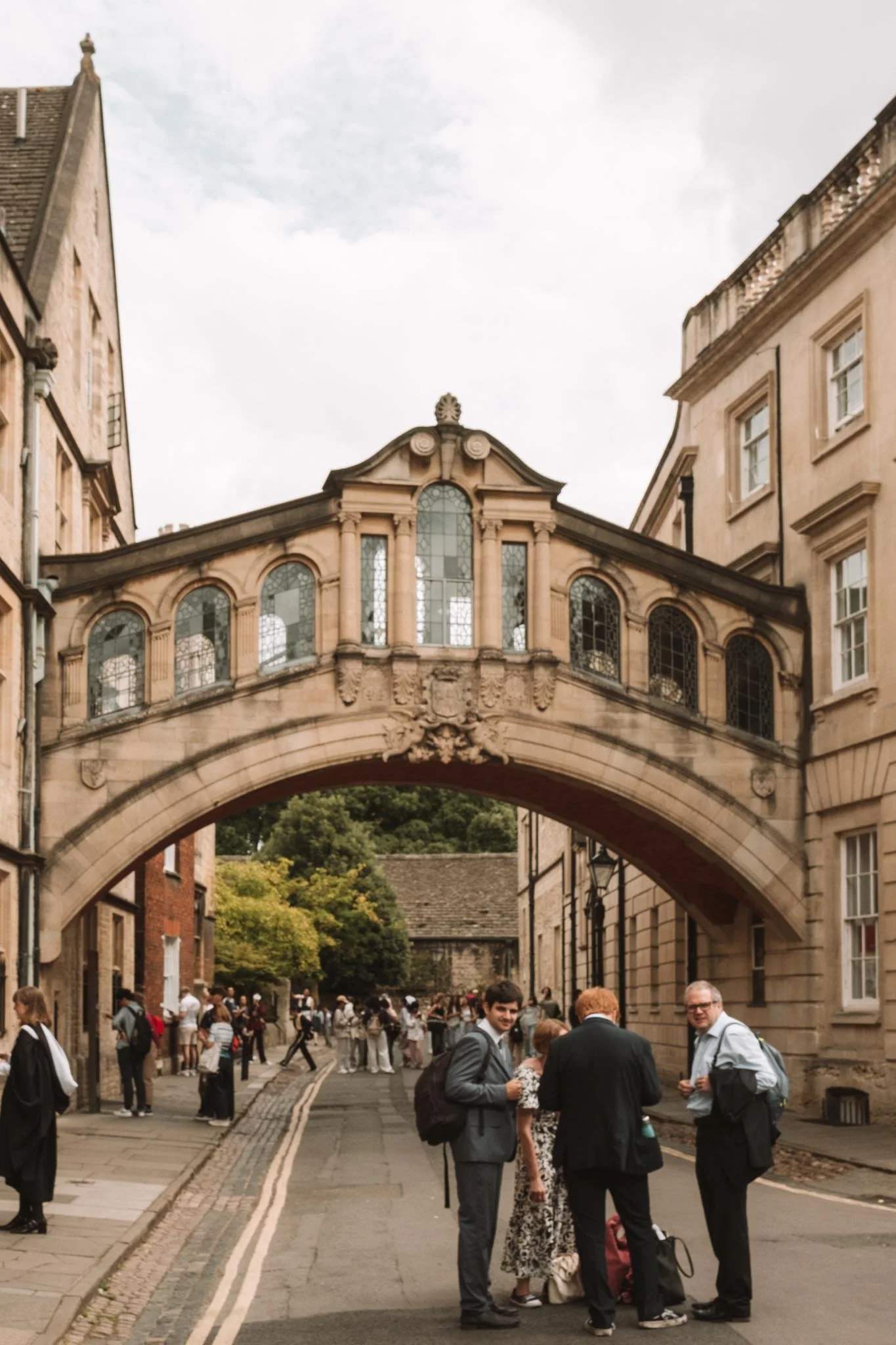
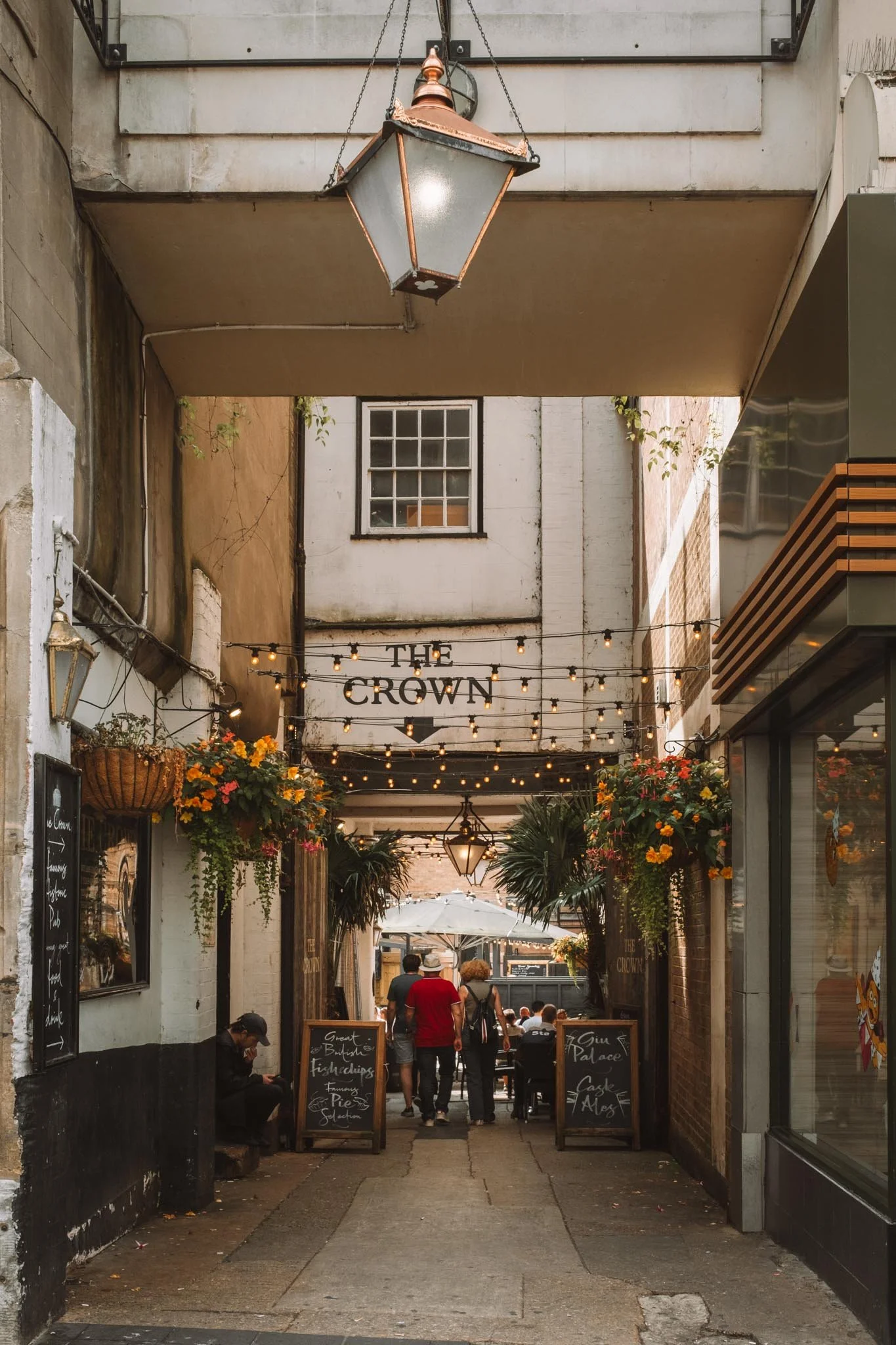
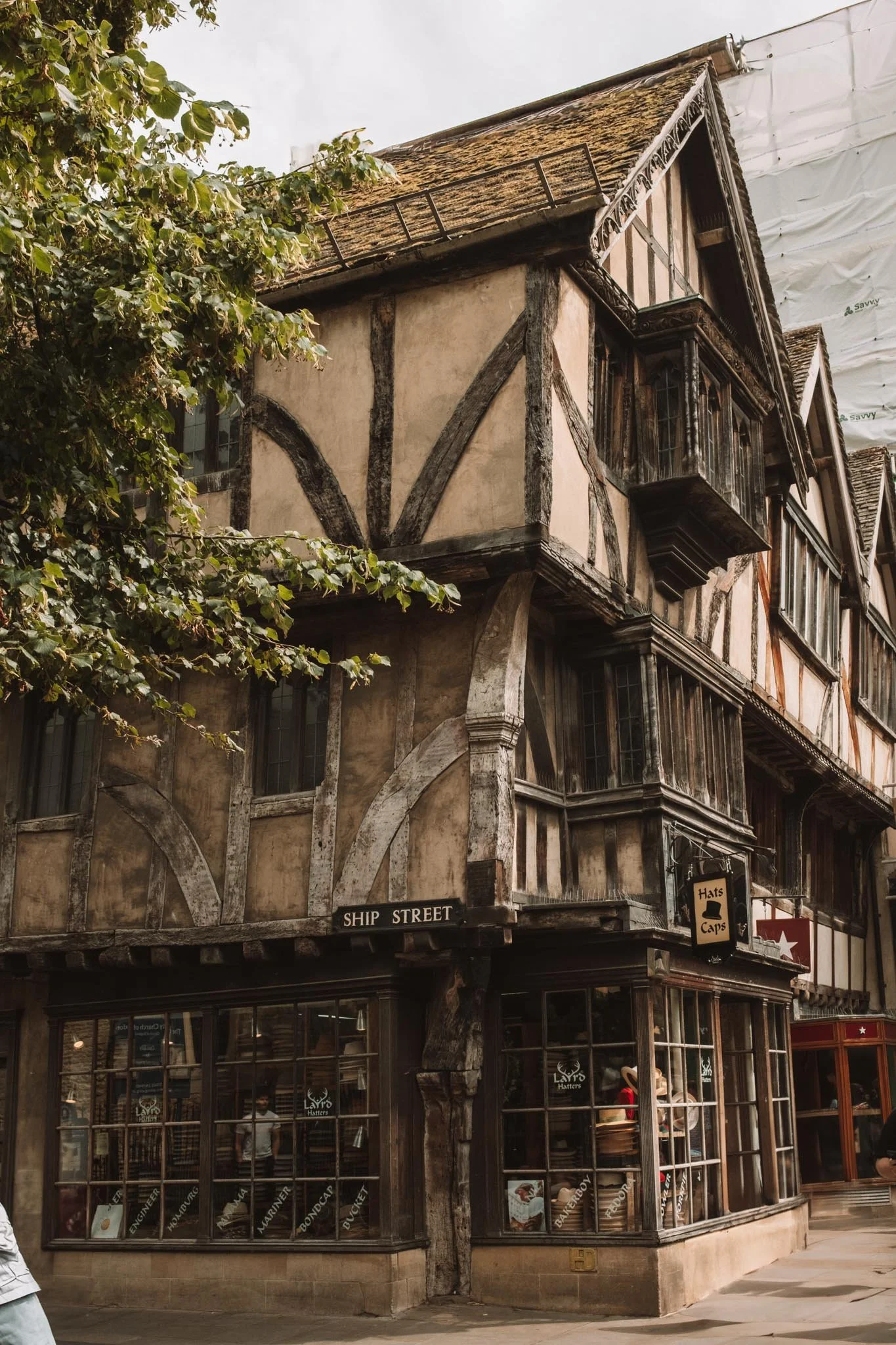
About 1 hour from London Paddington. Oxford is the more famous of the two university cities and the architecture is extraordinary, particularly around the Bodleian Library, Radcliffe Camera and Christ Church. It can feel busier and more tourist-facing than Cambridge, especially in summer, but the colleges and the surrounding streets reward a slow morning on foot. Punting is also available here on the River Cherwell if Cambridge is not on your itinerary.
Brighton — beach, food and a change of pace
About 1 hour from London Victoria. Brighton is the easiest escape from London when you want sea air and a completely different atmosphere. The Lanes, a network of narrow streets in the old town, are excellent for independent shops and cafes. The beach is pebble rather than sand, which surprises some visitors, but the seafront is lively and the food scene is actually good. Best in summer but worth a day any time of year.
York — history, medieval streets and one of England's great cities
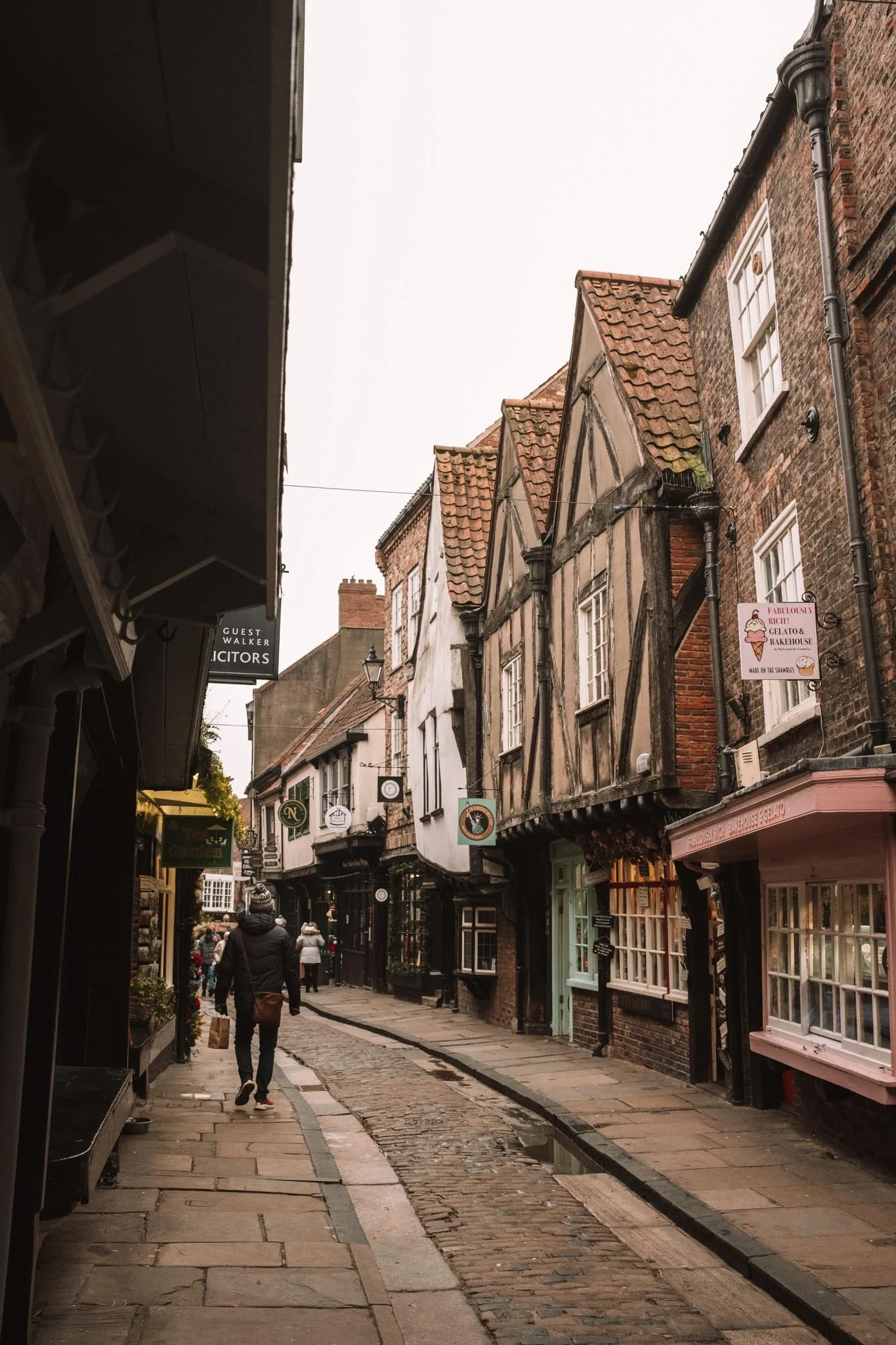
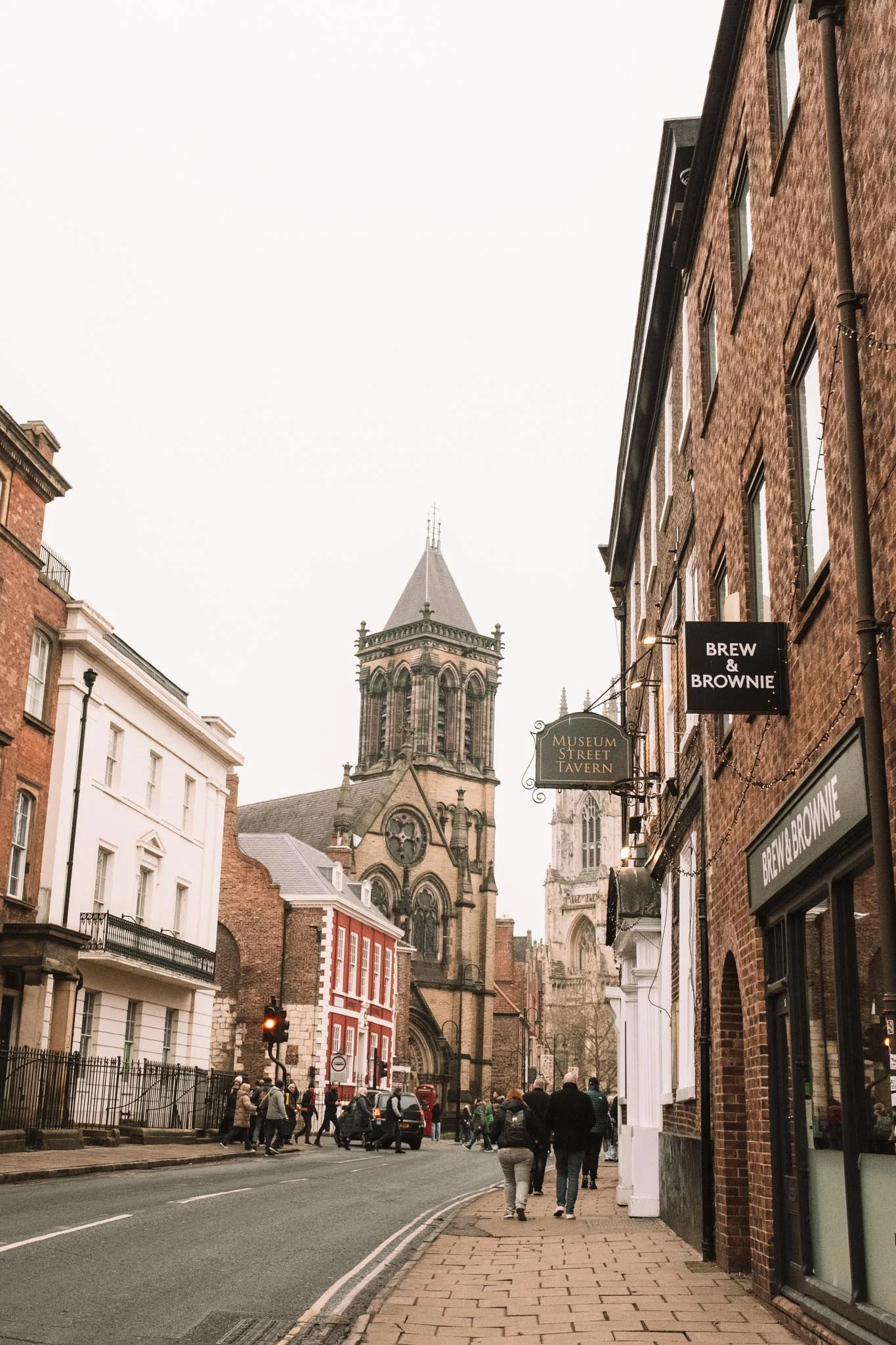
About 2 hours from London King's Cross and worth the longer journey. York is one of the most beautifully preserved medieval cities in Europe. The Shambles, a narrow cobblestoned street lined with timber framed buildings, is extraordinary. York Minster, the enormous Gothic cathedral at the city's center, is one of the most impressive buildings in England. The city walls are walkable and give you a completely different perspective on the city from above. If you have more time in England beyond London, York is one of the places most worth adding to the itinerary.
For a full York guide including what to do, where to eat and how to plan your visit, see the complete York travel guide.
Cotswolds — the English countryside at its most picturesque
The Cotswolds requires slightly more planning than the other options since the villages themselves are not directly on a train line. The most practical approach is to take the train to Moreton-in-Marsh or Cheltenham and explore from there, either on foot, by local bus or on a guided tour from London. The villages, particularly Bourton-on-the-Water, Burford and Chipping Campden, are exactly what most people picture when they imagine the English countryside. Stone cottages, village greens and narrow lanes. Best in spring and summer.
Windsor — royal history half an hour from London
About 30 to 40 minutes from London Paddington or Waterloo. Windsor Castle is the oldest and largest occupied castle in the world and truly worth the short journey. The town itself is pleasant for a half day. Good option if you only have a few hours rather than a full day to spare.
Practical Tips for Visiting London
A few things worth knowing before you arrive that will make the trip run more smoothly.
The ETA — sort this before anything else
If you are traveling from the US, EU, Canada, Australia or most other visa-exempt countries, you need an Electronic Travel Authorization before you can enter the UK. It is not a visa. It costs £10, takes about 10 minutes to apply for and is valid for two years. Apply through the official UK ETA app or at gov.uk at least a week before you travel. Airlines will deny boarding without it. Full details are in the when to visit section above.
Contactless is all you need for transport
Just tap your bank card or phone at every Tube barrier and bus reader. No Oyster card needed unless you do not have a contactless card or are traveling with kids aged 11 to 15. The daily cap means you will never overpay regardless of how many journeys you make. Use the same card consistently throughout the day or you will lose the cap benefit.
Cash is largely unnecessary
London is one of the most cashless cities in the world. Contactless payment is accepted almost everywhere including markets, street food stalls and small independent shops. Cash is banned entirely on all public transport. Bring a card that does not charge foreign transaction fees and you will rarely need to think about cash at all.
Tipping
Ten to twelve and a half percent in restaurants if a service charge is not already included on the bill. Check before you add anything because many London restaurants now include it automatically. Nothing expected in pubs when ordering drinks at the bar. Card machines will often prompt for a tip percentage — you are not obligated to add one if service is already included.
The escalator rule
Stand on the right. Walk on the left. This applies on every escalator in every Tube station in London without exception. Getting this wrong will not get you in trouble but it will earn you looks from every commuter behind you. Just stand on the right.
Book things in advance
This applies more broadly than most visitors expect. Free museums including the British Museum and Natural History Museum now require timed entry slots during peak season. Popular restaurants are a must. The Warner Bros. Studio Tour sells out months in advance during school holidays. The Sky Garden requires a free advance booking. The general rule is: if something is well known and free or cheap, book it before you arrive.
Phone and data
EU roaming does not apply in the UK post-Brexit. If you are traveling from Spain or anywhere else in Europe, your standard plan will likely charge extra for UK data. Pick up an Airalo eSIM before you travel. UK plans start from around $5 for 1GB and a week of data typically runs $10 to $15. It works on any unlocked eSIM-compatible phone and activates before you land.
Safety
London is a safe city by the standards of any major world capital. The usual common sense applies: keep an eye on your belongings on the Tube and in crowded tourist areas, be aware of your surroundings at night particularly in unfamiliar neighborhoods and keep your phone in your pocket rather than in your hand on busy streets. Pickpocketing happens in tourist-heavy areas but serious crime affecting visitors is uncommon. The emergency number is 999.
UK plugs
Type G, three pronged and larger than most other plug types. Neither US two-pin nor European two-pin plugs will fit without an adapter. Pick one up before you travel or at any airport on arrival. Most modern electronics including phones, laptops and cameras work on both 110V and 230V so you just need the adapter, not a voltage converter. I got this one from Amazon and works very well.
Opening hours
London's museums, shops and restaurants generally open between 10am and 11am and close between 5pm and 6pm for museums, later for restaurants and bars. Sunday hours are shorter across the board. Many popular restaurants do not take walk-ins for dinner so check ahead and book where possible.
Sample London Itineraries — 3 Days, 5 Days and 1 Week
These itineraries are starting points, not rigid schedules. London rewards flexibility and some of the best moments come from wandering off the plan. Use these as a framework and adjust based on what interests you most. Everything mentioned below is covered in more detail earlier in this guide.
A note on pacing: Four to five things per day is the right amount for London. The city is big, the walking is real and the best experiences rarely feel rushed. Resist the urge to add more.
A note on weather: London's weather can change within the same day. If a day starts grey and rainy, lead with the indoor stops and save the outdoor walks and parks for when it clears. The itineraries below are flexible enough to swap without losing the geographic logic.
3 Days in London
Day 1 — Historic London and the South Bank
Morning: Tower of London (1.5 to 2 hours is enough). Book in advance and arrive early. Walk across Tower Bridge afterward, free and worth doing.
Afternoon: Cross to the South Bank. Walk west along the river, stop for lunch along the way, then spend an hour in Tate Modern. Walk across the Millennium Bridge for the St Paul's Cathedral view.
Evening: Soho for dinner. Walk through Chinatown after and stop at Coco Playa for the mango bingo dessert.
Day 2 — Westminster, Royal London and Covent Garden
Morning: Westminster Abbey first thing. If the Changing of the Guard is on (check times before you go), time your arrival at Buckingham Palace for 11am. Walk through St James's Park between the two. It is one of the most pleasant walks in central London and connects them naturally.
Optional add-on (late July to late September only): Buckingham Palace State Rooms tour after the Changing of the Guard.
Afternoon: Walk up to Trafalgar Square and the National Gallery (free, one hour). Then into Covent Garden for the afternoon. Neal's Yard, Seven Dials and Cecil Court are all worth finding on foot.
Evening: West End show. Book in advance. Cabaret and The Play That Goes Wrong are both worth it. Dinner before or after in the area.
Day 3 — Central London, Museums and Shopping
Morning: British Museum (book a free timed slot in advance during peak season). One hour to 90 minutes is enough for the highlights.
Afternoon: Oxford Street for Selfridges and St Christopher's Place. Then Piccadilly for Hatchards, Waterstones, Burlington Arcade and Fortnum and Mason. Buy the biscuits.
Evening: Soho and Liberty on Great Marlborough Street if it is still open. Dinner in the neighborhood.
5 Days in London
Follow the 3-day itinerary above for days 1 to 3, then add:
Day 4 — West London, Kensington and Marylebone
Morning: Marylebone High Street. Daunt Books, a good cafe for breakfast, a slow walk. This is not a rushing kind of morning.
Afternoon: Kensington. Pick one museum, Natural History Museum or the V&A, and give it proper time. Afternoon tea at The Orangery at Number Sixteen Hotel. Book in advance.
Evening: Harrods food hall on Brompton Road. Dinner in Chelsea or back in Marylebone.
Day 5 — East London
Morning: Columbia Road Flower Market if it is a Sunday (before 10am). Stop at Jack Garcia Coffee for a sausage roll. If not a Sunday, start at Spitalfields Market and walk through Brick Lane.
Afternoon: Broadway Market in Hackney if it is a Saturday. Otherwise explore Shoreditch on foot. Street art, independent shops and good food all within walking distance of each other.
Evening: Dinner in East London. This is where the best neighborhood restaurants are hidden. Check the London Saved Map for specific picks.

1 Week in London
Follow the 5-day itinerary above for days 1 to 5, then add:
Day 6 — Day Trip: Bath or Cambridge
Two of the best day trips from London and worth choosing between based on what you are in the mood for.
Bath is the more complete day out. About 1 hour 25 minutes from Paddington, it is one of the most beautiful cities in England and easy to cover in a day. The Roman Baths are truly impressive, the Georgian architecture makes the whole city feel like a film set and the high street and independent shops are good enough to fill an afternoon. Go if you want history, beauty and a city that feels completely different from London.
Book Your Bath Activities in Advance
Cambridge is the better pick if you want a more relaxed, outdoorsy day. About 50 minutes from King's Cross, the university architecture is extraordinary and the River Cam running through the backs of the colleges is one of the loveliest things in England. Go punting. You can hire a punt and do it yourself, which is harder than it looks and funnier for that reason, or pay a student punter to take you along the river while they point out the colleges. On a sunny day it is glorious. On a cloudy day it is still lovely.
Book trains in advance on either route. Weekends fill up fast and walk-up fares are significantly more expensive.
Book Your Cambridge Activities in Advance
Day 7 — Slow Day: Kew, Richmond and Beyond
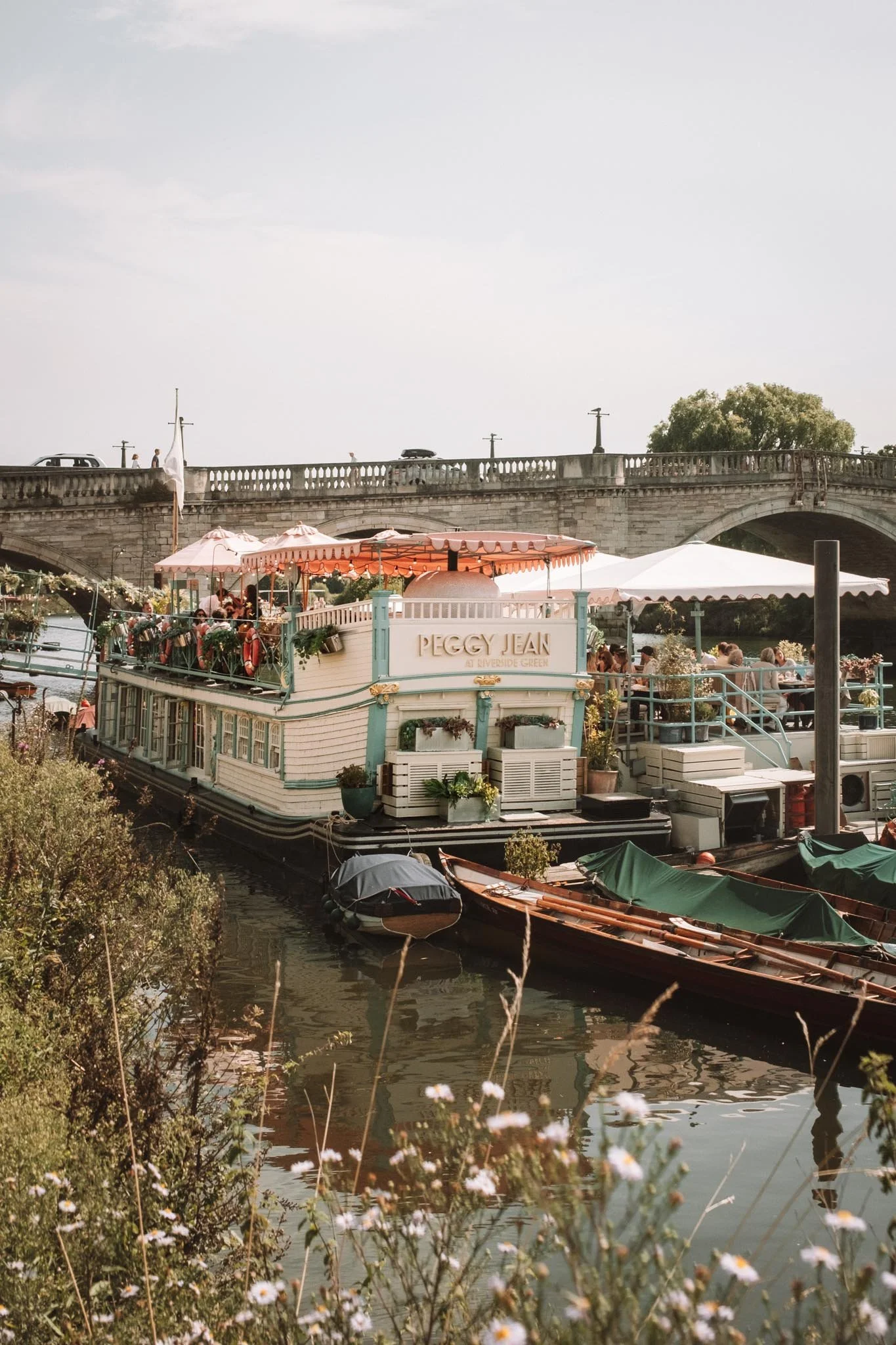
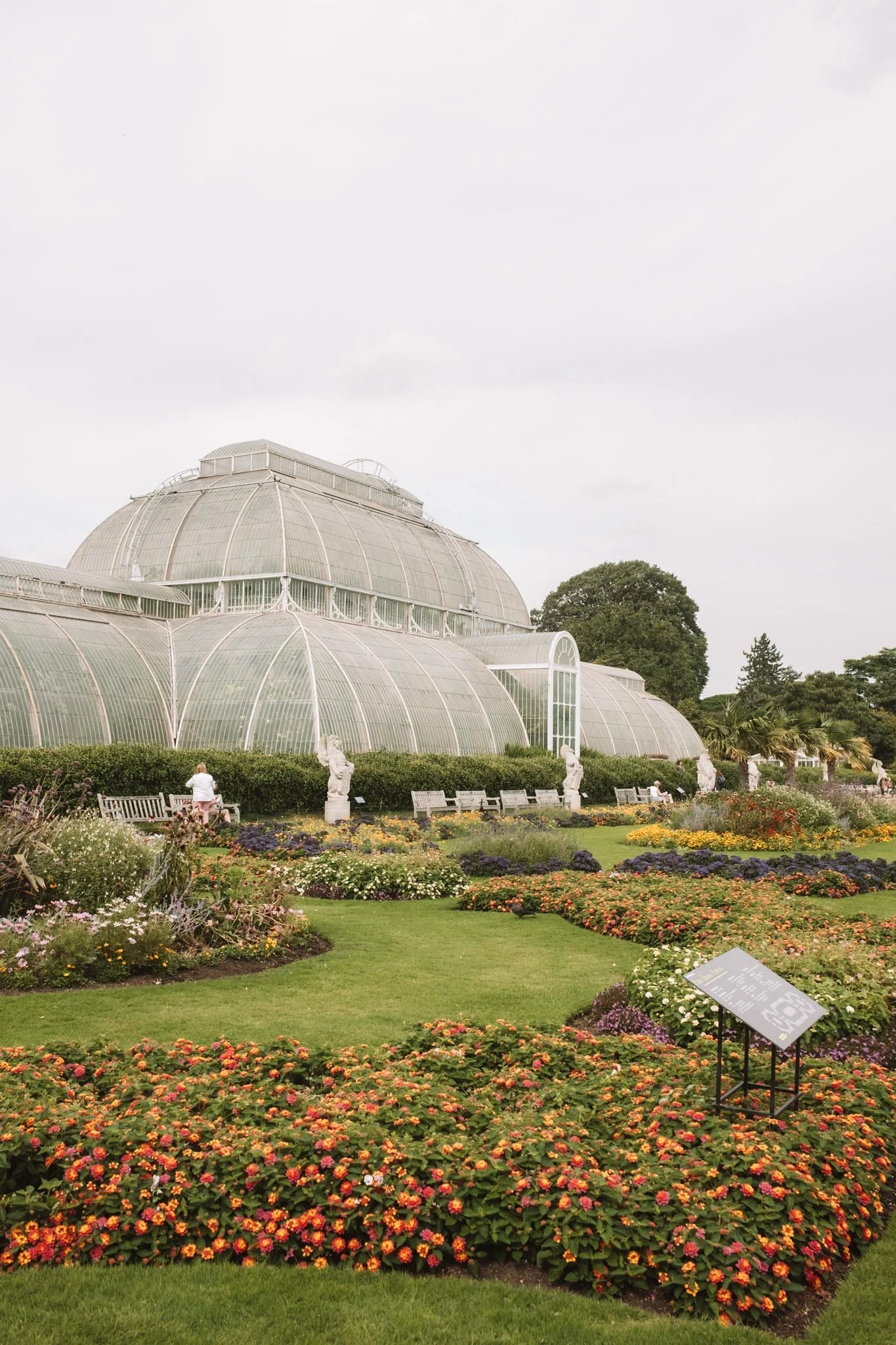
Start with Kew Gardens and Richmond. Take the Tube or Overground to Kew Gardens station, spend a couple of hours in the botanical gardens, then walk or take a short bus ride into Richmond. Richmond Park is one of the most unexpected things in London, a vast ancient deer park where wild deer roam freely and the city feels completely far away. The high street in Richmond itself is worth a wander afterward, it feels more like a prosperous English market town than a London suburb. Together Kew and Richmond make for one of the best half days you can spend in the city.
If you have energy left in the afternoon, or want to swap Richmond for a neighborhood closer to the center, here are three worth considering based on your mood:
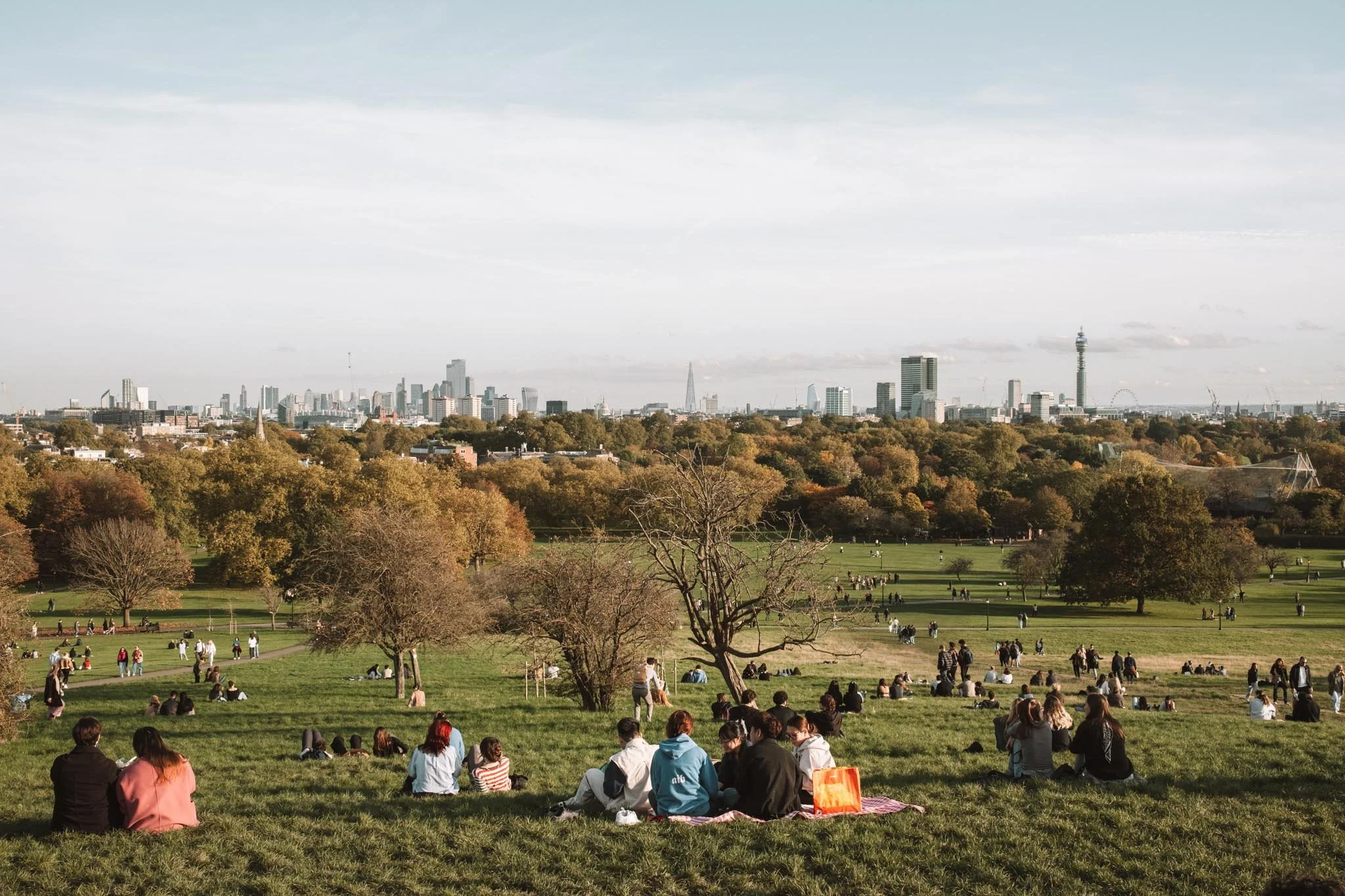
Primrose Hill is a short Tube ride from central London and has one of the best views of the city skyline from the top of the hill. On a sunny day the park is full of locals having picnics, which is exactly the kind of scene that makes London feel like a real city rather than a tourist destination. The high street below the hill is cute, lively and good for coffee and a wander.
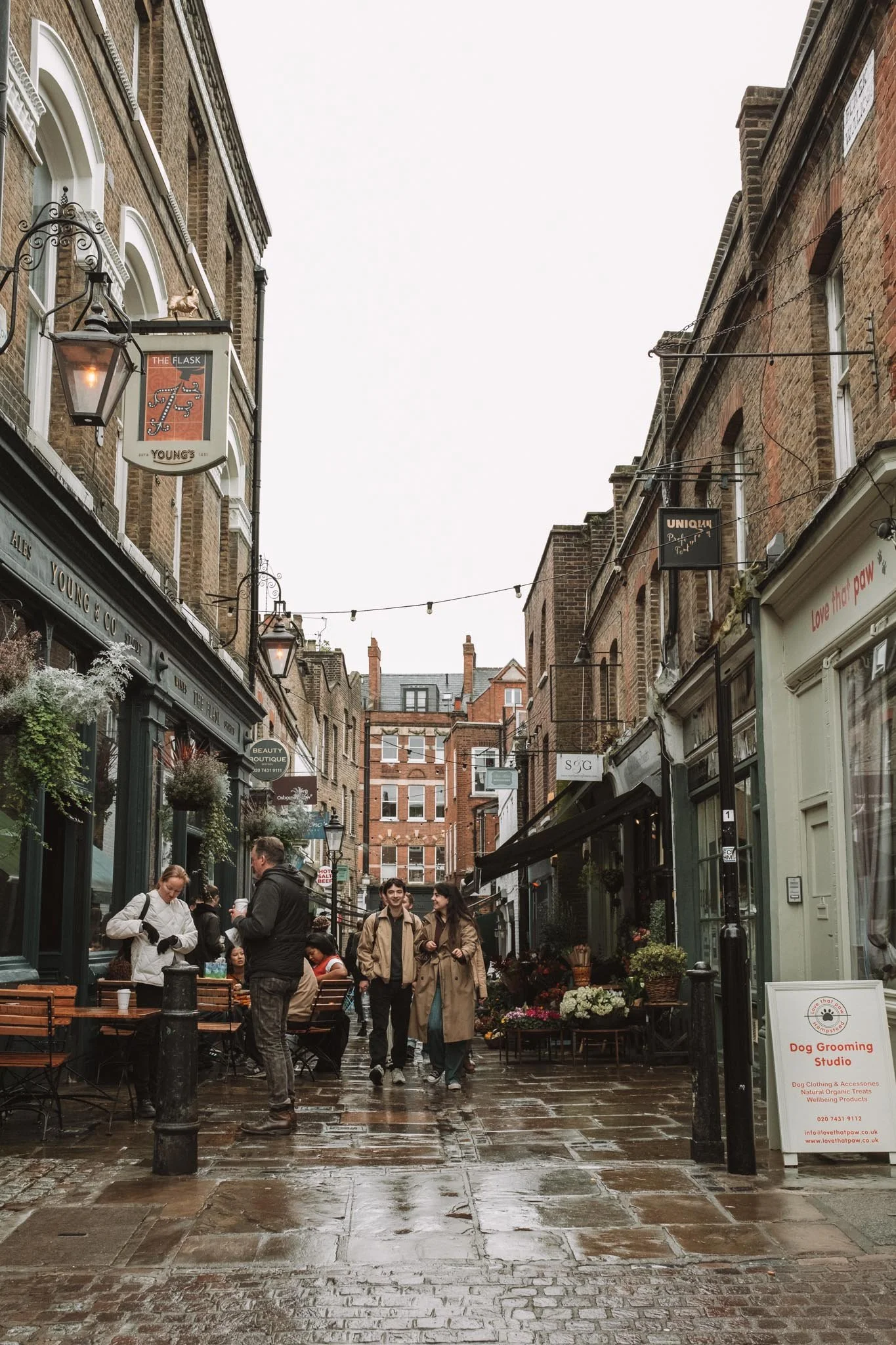
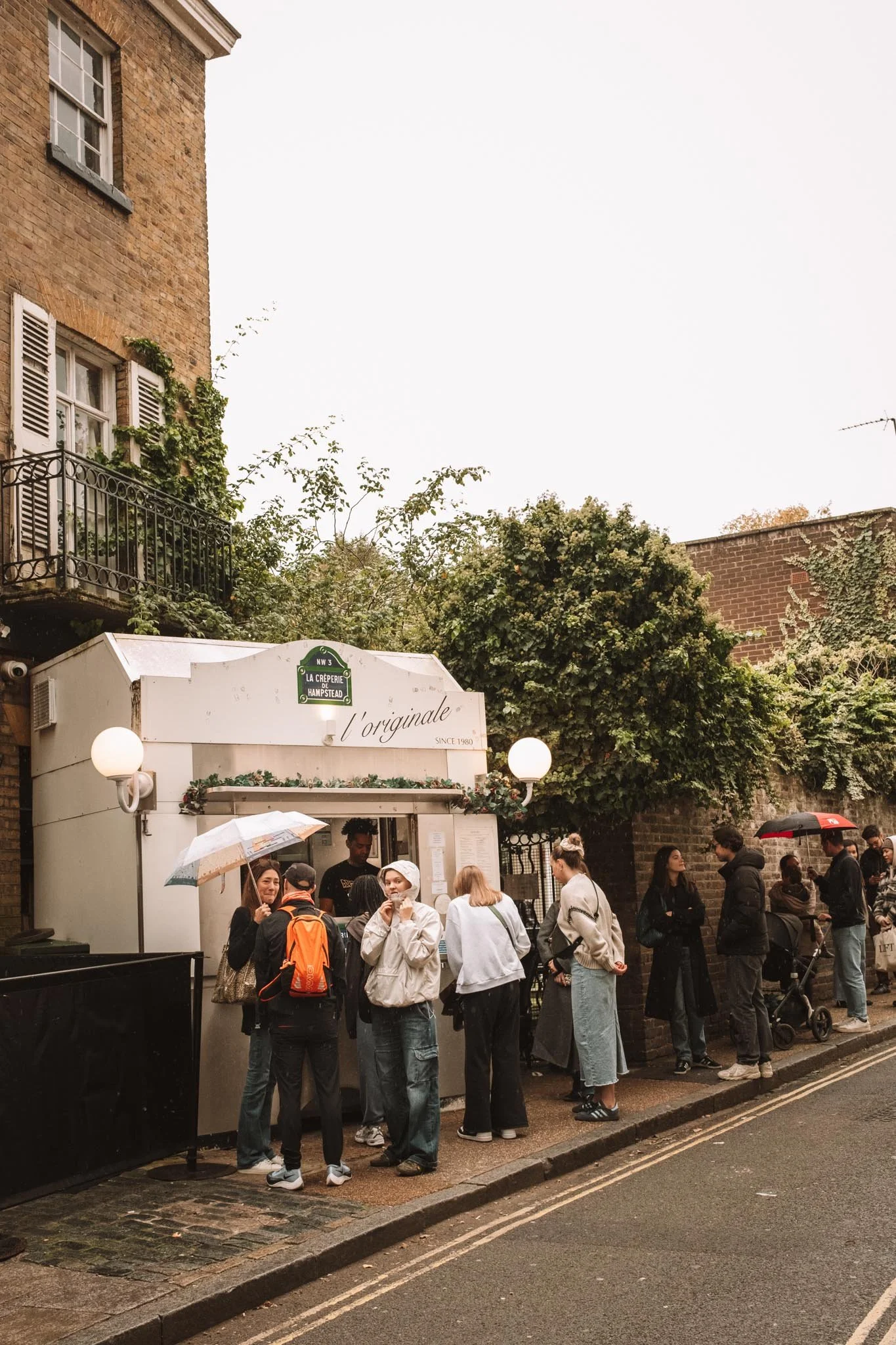
Hampstead has one of the most charming high streets in London, lively and independent with good cafes, bookshops and restaurants. Hampstead Heath, one of London's most famous and beloved parks, sits right behind it. It is a proper green escape with ponds, views and enough space to get lost in. A good half day on its own.
Frequently Asked Questions About Visiting London
Do I need a visa to visit London?
Most visitors from the US, EU, Canada, Australia and other visa-exempt countries do not need a visa but do need an Electronic Travel Authorization (ETA) as of 2024. The ETA costs £10, takes about 10 minutes to apply for online or through the official UK ETA app and is usually approved within 48 to 72 hours. Apply at least a week before you travel. Airlines will deny boarding without it.
How many days do you need in London?
Three days is enough to cover the main sights. Five days gives you time to go deeper into the neighborhoods and local side of the city. A week allows for at least one day trip and a slower, more lived-in experience of London. If you only have two days, focus on the South Bank, Westminster and one central neighborhood.
Is London expensive to visit?
London is one of the more expensive cities in Europe but less so than its reputation suggests. A comfortable day including a good hotel, two proper meals, transport and one paid activity typically runs £250 to £400 per person. The free museum culture, the Tube daily cap and the city's excellent street food scene all bring the real cost down significantly compared to other world capitals at this level.
What is the best time to visit London?
Late spring through early fall, roughly May through September, is the best time to visit. The days are long, the parks are at their best and the city has an energy that is hard to find in the greyer months. September is a personal favorite for the combination of good weather and thinning summer crowds. December is worth considering for the Christmas lights and festive atmosphere, though days are short with sunset around 4pm.
Is London safe for tourists?
London is a safe city by the standards of any major world capital. The usual common sense applies: keep an eye on your belongings in crowded tourist areas, be aware of your surroundings at night and keep your phone in your pocket on busy streets. Pickpocketing happens in tourist-heavy areas but serious crime affecting visitors is uncommon. The emergency number is 999.
What is the best area to stay in London?
Marylebone is the top recommendation for most visitors, combining a central location with a genuinely beautiful neighborhood feel, excellent independent shops and cafes and good value compared to Kensington or Mayfair. Angel is the best pick for travelers who want a local experience over tourist convenience. Notting Hill is the most beautiful option. Covent Garden is the most central and convenient for first-timers who want to walk everywhere.
How do I get around London?
The London Underground, known as the Tube, is the most efficient way to get around. Just tap your contactless bank card or phone at the barriers. No Oyster card needed. The daily cap in Zones 1 and 2 means you will never pay more than around £8.10 in a single day regardless of how many journeys you make. Buses are cheaper and run above ground, worth using when the route works. Walking is the best option within any single neighborhood.
What food is London known for?
London is known for the Sunday roast, fish and chips, afternoon tea and a pub culture that is unlike anywhere else in the world. Beyond the British classics, London has one of the best Indian food scenes in the world, a thriving street food culture across its markets and a cafe and bakery scene that has quietly become one of the best in Europe. The key is knowing where to look. The best food in London is rarely in the most obvious places.
About the Author
Diana has been traveling and writing for over 20 years. She has lived across multiple continents, spending extended time in cities that have fundamentally shaped how she sees the world. London was one of them. She spent almost a year living there, long enough to stop being a tourist and start understanding what the city is actually about. She currently splits her time between Barcelona and London and writes at In Between Pictures.
If you want to eat well in London without spending weeks figuring out where to go, her London Saved Map covers every restaurant, cafe and food spot she would actually recommend, organized by category.