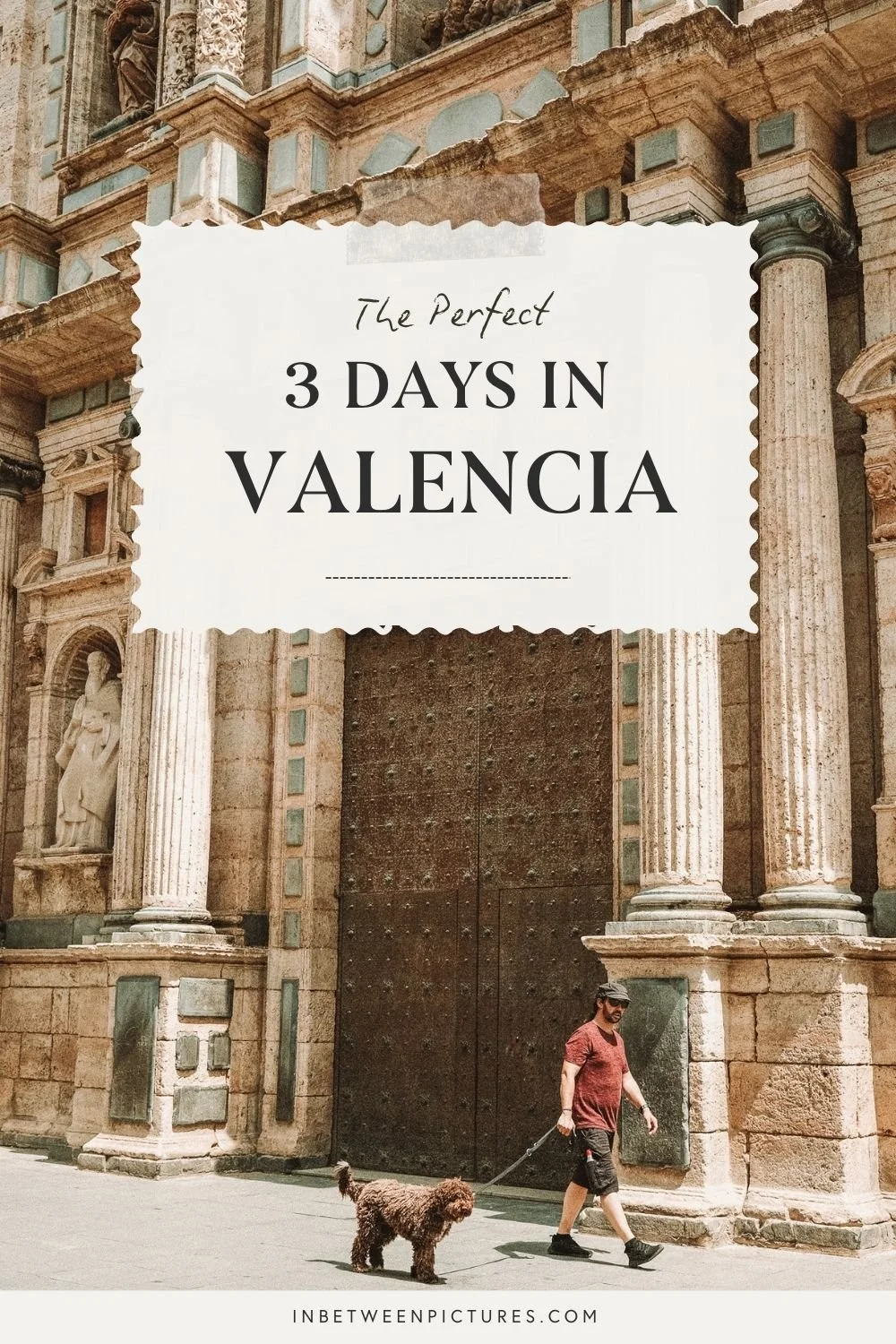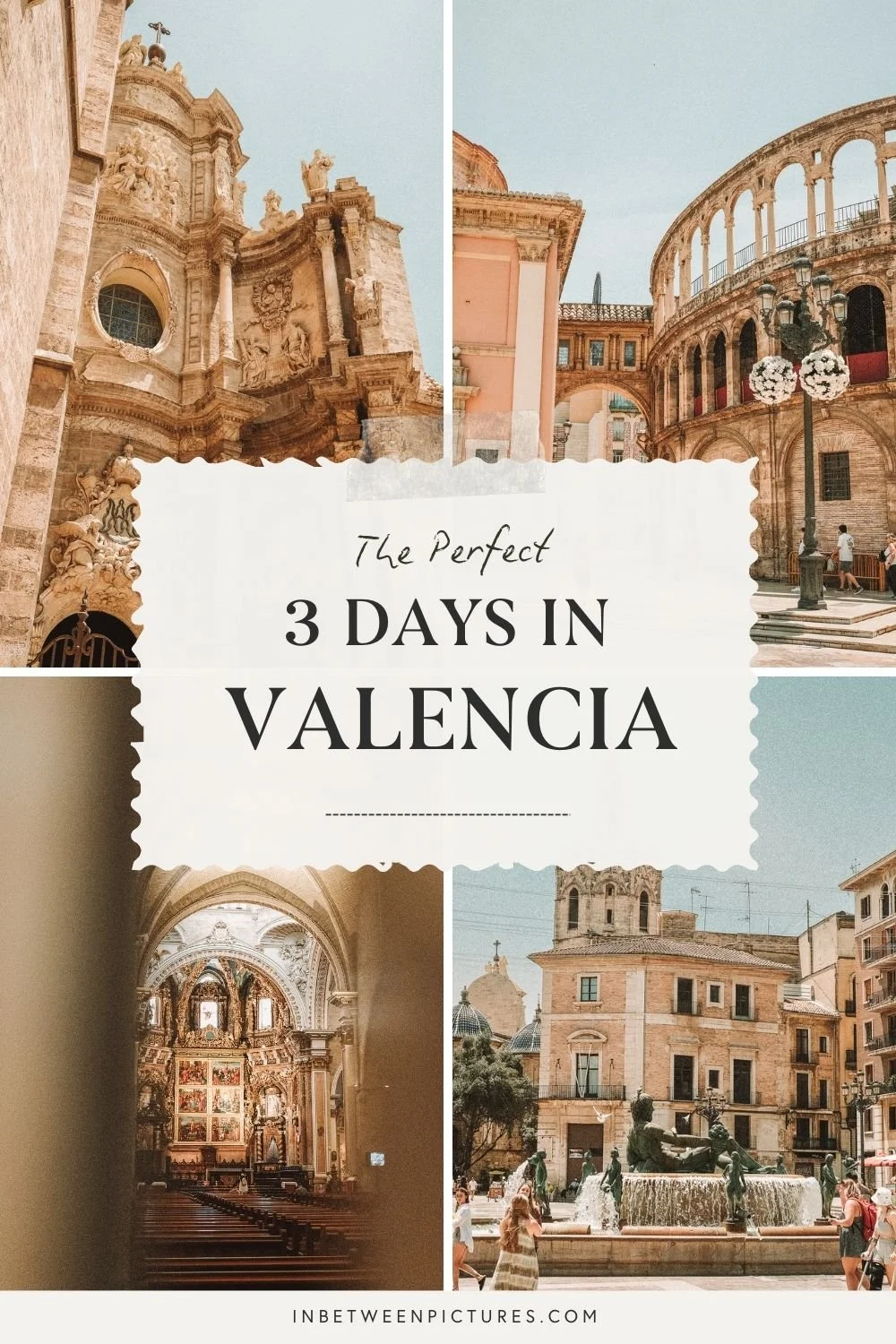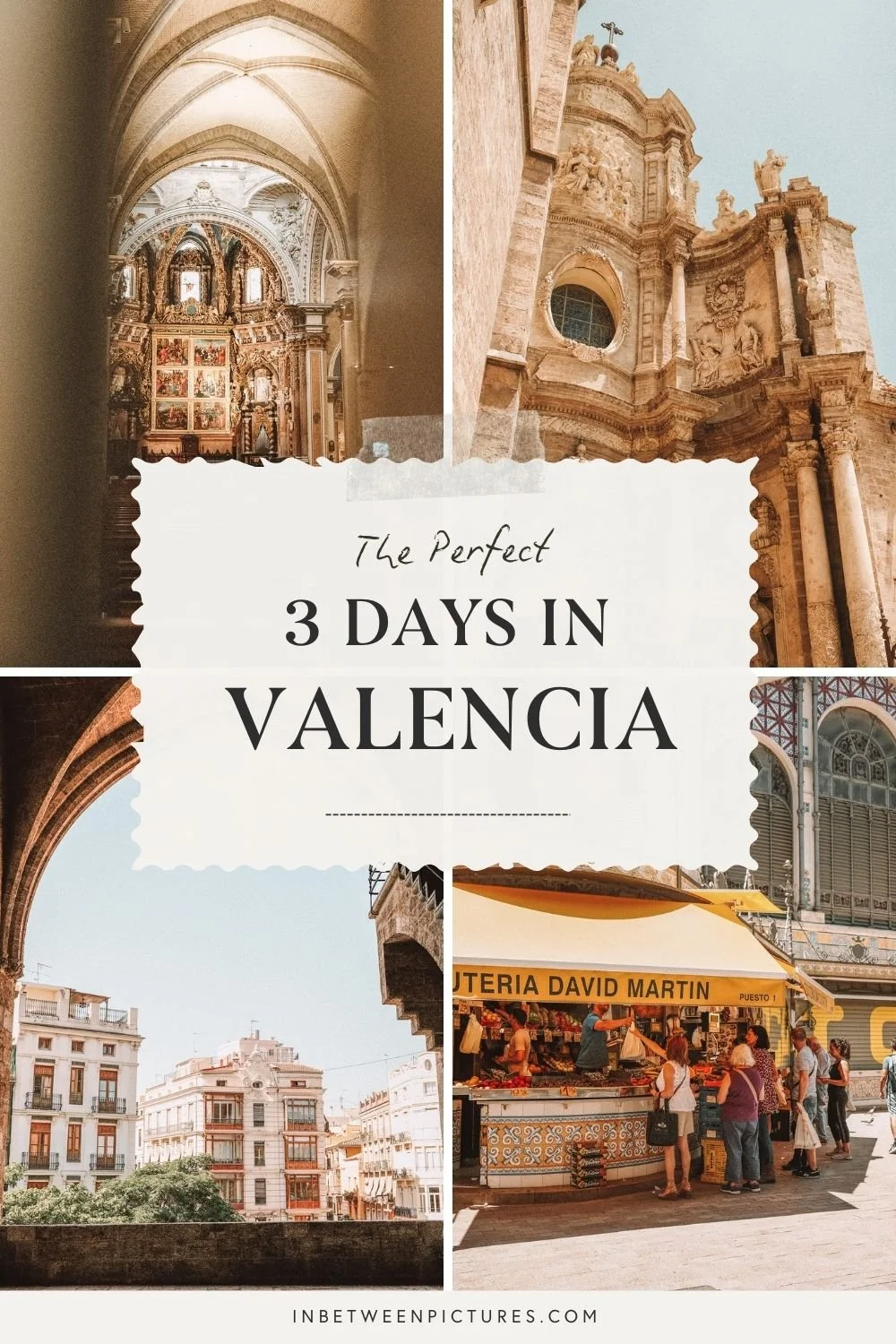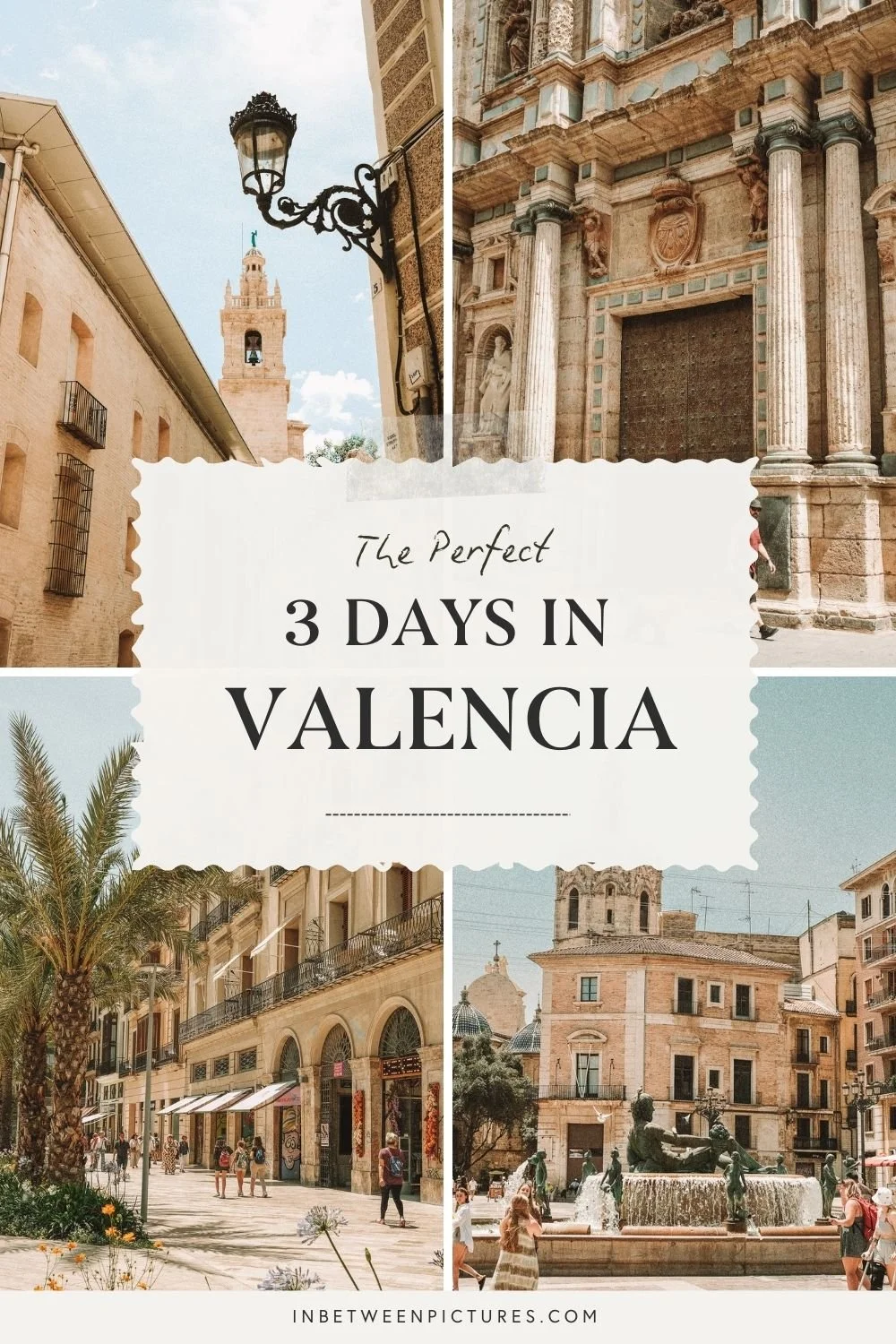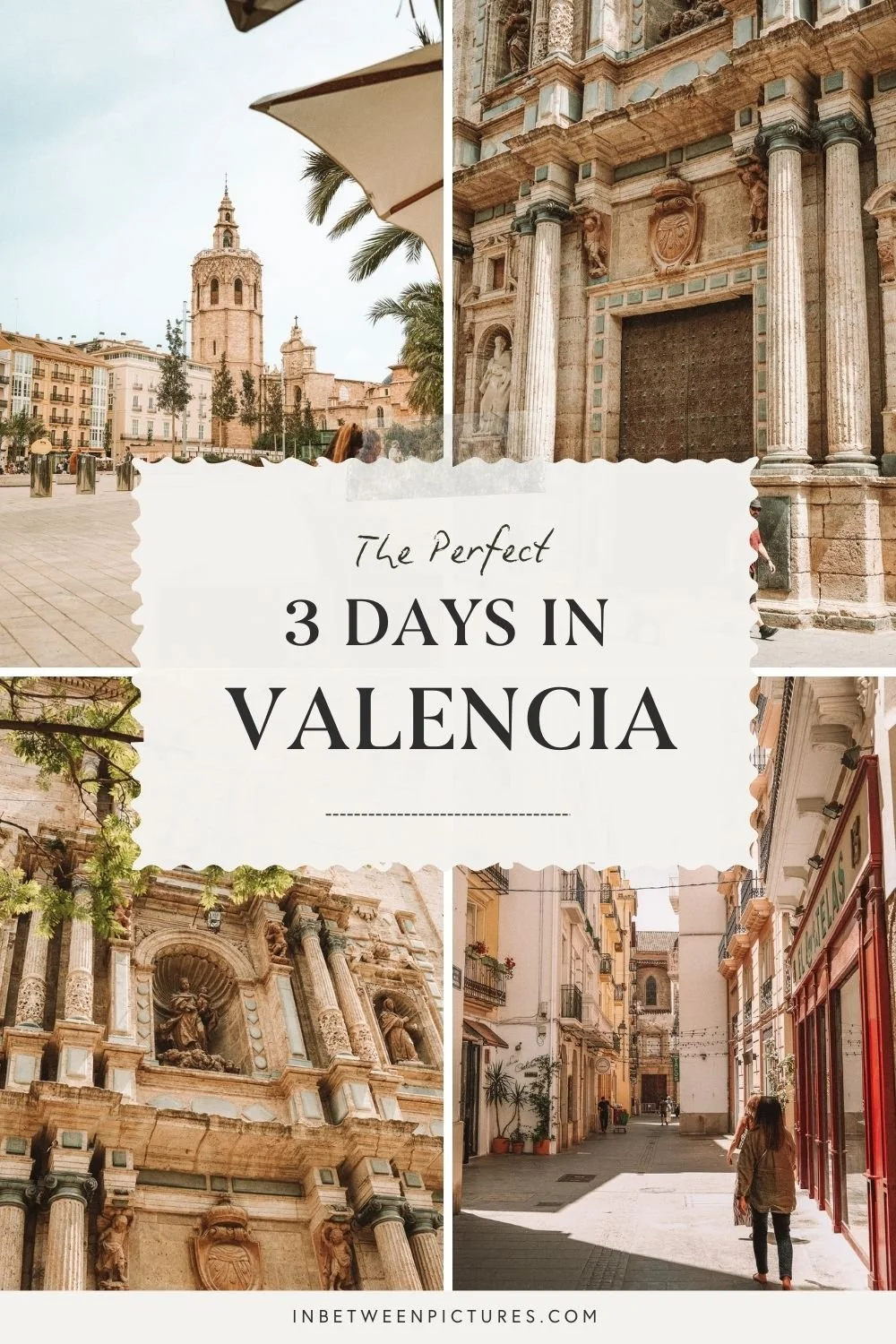
3 Days in Valencia: The Ultimate Local Itinerary
Planning 3 days in Valencia and wondering how to spend your time well? This itinerary is built for people who want more than a checklist of monuments, it’s the version of Valencia that residents actually experience. You’ll find the best things to do in Valencia, where to eat authentic Valencian paella, which neighborhoods to explore, and the local habits that turn a decent trip into a great one.
Last updated: March 2026
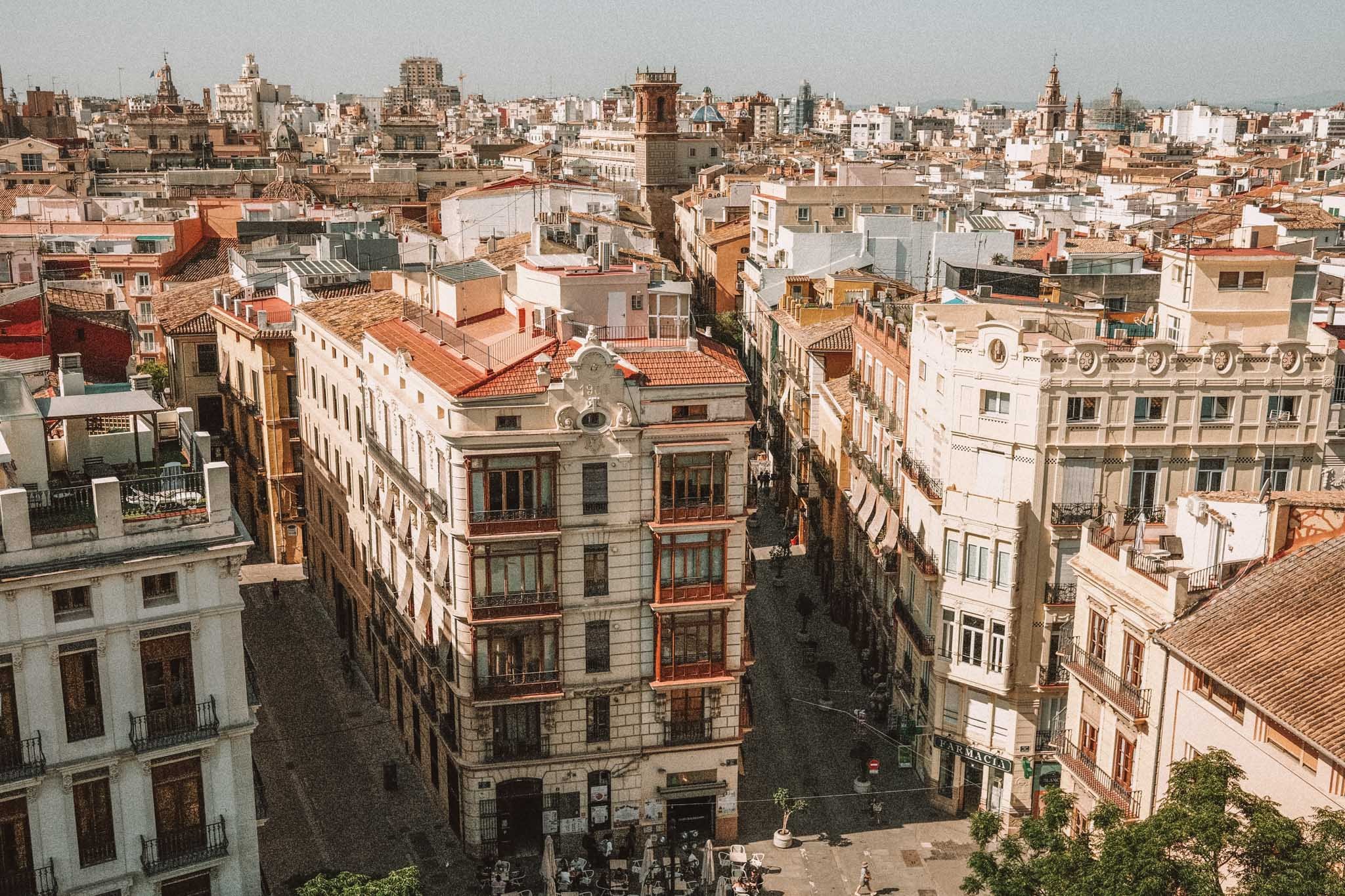
Valencia is Spain’s third-largest city and one of its most livable. It has 300 days of sunshine a year, 20km of Mediterranean coastline, some of the best markets and food in the country, and a historic center compact enough to explore on foot. It doesn’t compete with Madrid or Barcelona for attention, and that’s precisely what makes it so good.
Related Posts:
The BEST 3-Day Barcelona Spain Itinerary - By a Local
The 7 BEST Day Trips From Barcelona By Train
15 Best Barcelona Beaches: From City Shores to Hidden Coves
3 Days in Valencia Itinerary: The Perfect Itinerary
The Best 3 Days in Seville Itinerary
The Ultimate Seville Food Guide: Where to Eat and What to Order
7 Easy Day Trips from Seville Without a Car
Is 3 days in Valencia Enough?
Yes, three days in Valencia is enough to cover the city’s highlights without rushing. The historic center is small and walkable, and the main attractions cluster naturally into day-sized chunks: the old town on day one, the beach and City of Arts and Sciences on day two, and the Ruzafa neighborhood plus the medieval towers on day three.
The honest caveat: if you discover Ruzafa on your last night, you’ll wish you had more time. Many visitors extend to four or five days once they arrive. But as a minimum, 72 hours in Valencia works well.

How to get to Valencia
There are no direct transatlantic flights to Valencia, so most international travelers fly into Madrid or Barcelona and connect. The high-speed train is almost always the better option over a connecting flight, once you factor in airport time and city transfers, the train is faster door-to-door and drops you in the center of Valencia.
Madrid to Valencia
The AVE high-speed train from Madrid Atocha takes approximately 1 hour 45 minutes and runs frequently throughout the day. If you book your tickets in advance, they can be very cheap. Avoid regional trains on this route, which take four or more hours.
Barcelona to Valencia
Trains from Barcelona Sants to Valencia take around 3 hours and offer a scenic coastal stretch. ALSA buses are a cheaper alternative but add significant travel time. If speed matters, take the train.
Local tip: Book your tickets in advance, you’ll see more fare types and pay less. Don’t book more than 60 days in advance; prices tend to improve 4–6 weeks before departure.
If you are unfamiliar with the train station, I recommend arriving at least 30 minutes before your train departs.
How to get around in Valencia?
Valencia is one of the best cities in Europe for getting around without a car. Here’s how locals actually move through the city:
• Bike (Valenbisi): The public bike-share system is how many Valencians commute. A weekly pass costs a few euros and lets you pick up and drop off at stations across the city. The Turia riverbed cycling path (completely flat and car-free) connects the old town to the City of Arts and Sciences in about 20 minutes.
• On foot in the historic center: The Barrio del Carmen, the Cathedral, Mercado Central, and the Silk Exchange are all within a 10-minute walk of each other. Don’t take a taxi for these.
• EMT bus to the beach: Lines 19 and 32 connect the center to La Malvarrosa and Las Arenas beaches. Cheap, frequent, and air-conditioned.
• Metro to the City of Arts and Sciences: Lines 5 and 7 stop at Alameda or Neptuno. Walk from there, it’s easier than navigating by taxi in that area.
Skip: The Valencia Tourist Card. Unless you’re visiting every museum on your list, it rarely pays off. Buy single tickets or use the public transport card (Túnel card) instead.
Valencia 3-Day Itinerary

Day 1 - The Best Things to Do in Valencia’s Old Town
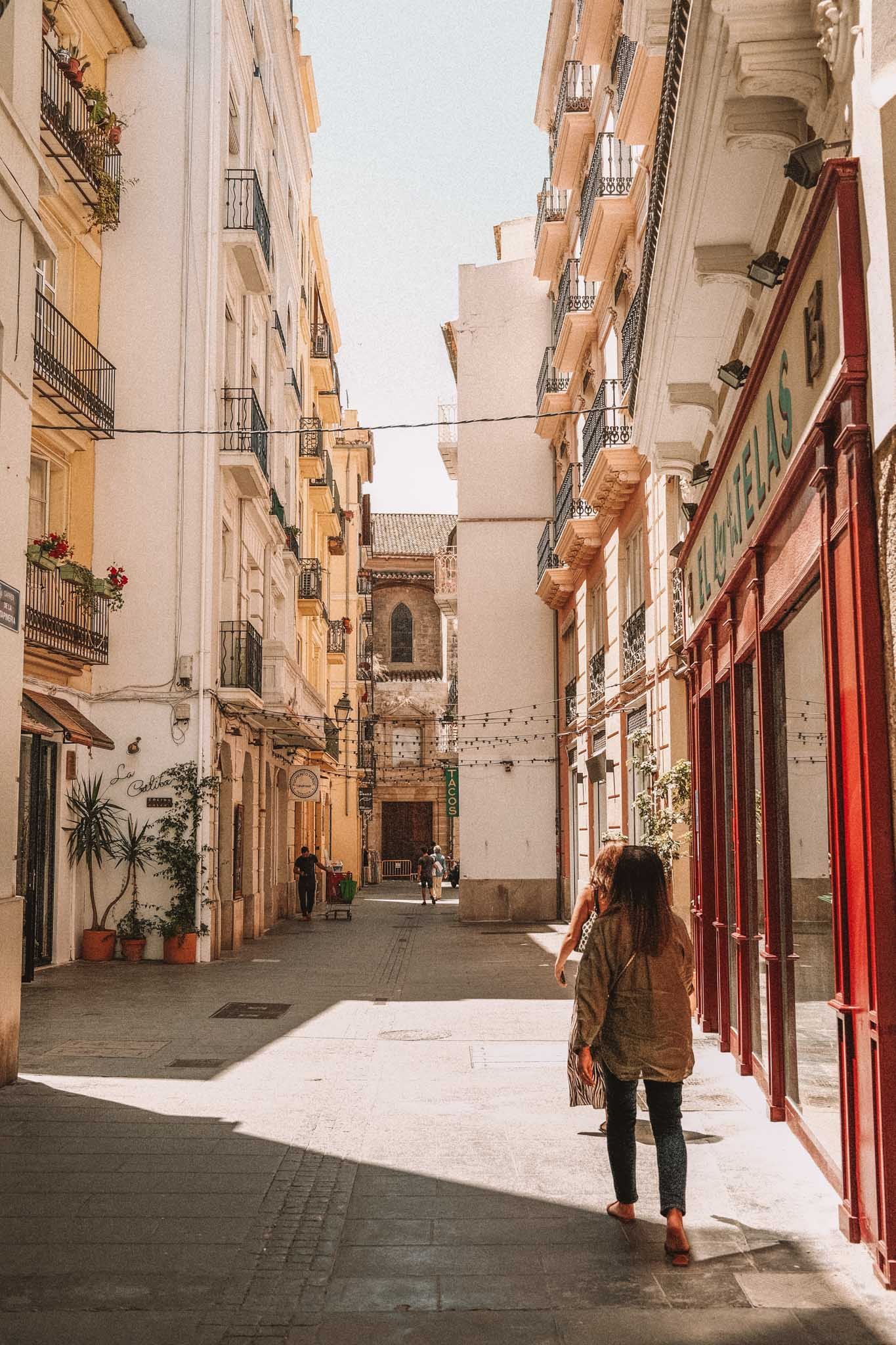
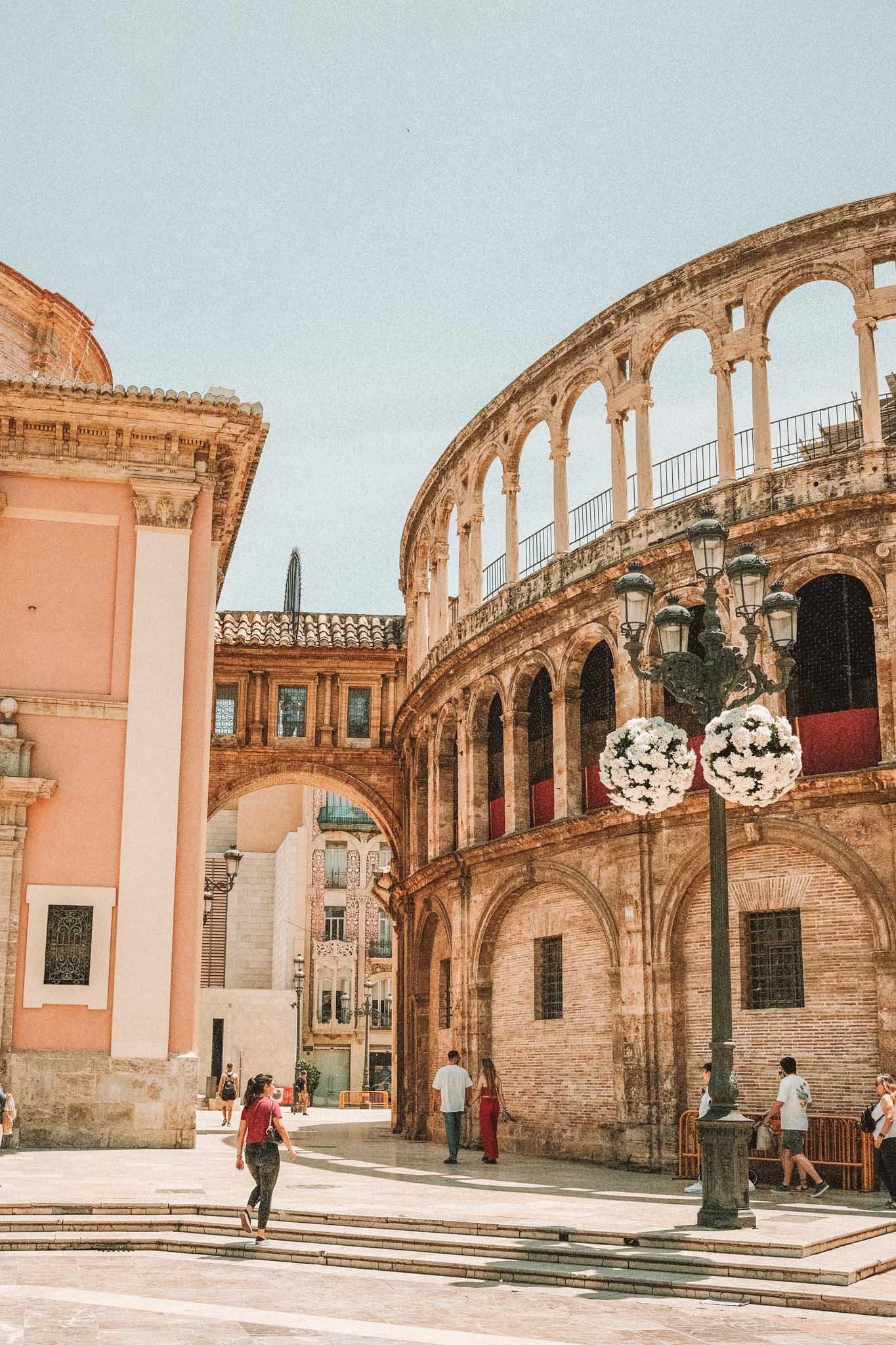
Valencia’s old town - the Ciutat Vella - is where the city’s history is most visible and most walkable. You can cover the major sights in a single day without feeling rushed, provided you don’t start at 8am. Valencia wakes up slowly. Let it.
If you would like to learn more about the history of the city, I highly recommend doing a walking tour link to tour If you prefer a more active tour, check out this bike tour link to tour. And for the foodies, this hidden gems and tapas tour link to tour.
Book Your Tickets In Advance
Day 1 in Valencia - Morning
Morning: Breakfast + Mercado Central de Valencia
Start with breakfast at a local café rather than your hotel. Order a cafè amb llet (coffee with milk, the Valencian standard) and a tostada amb tomata i oli, toasted bread rubbed with tomato and olive oil. This is what every Valencian eats most mornings and it costs around €2.50.
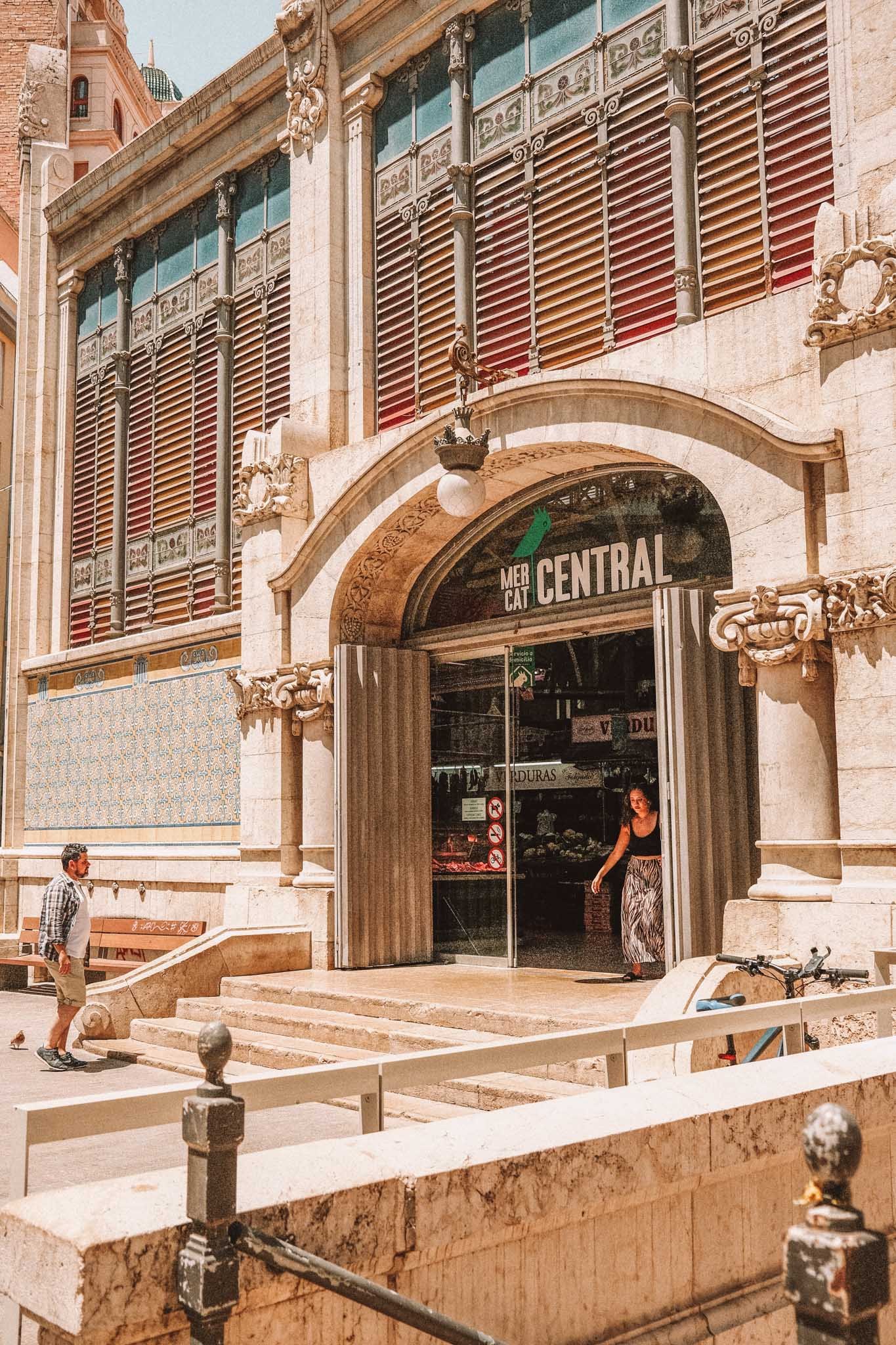
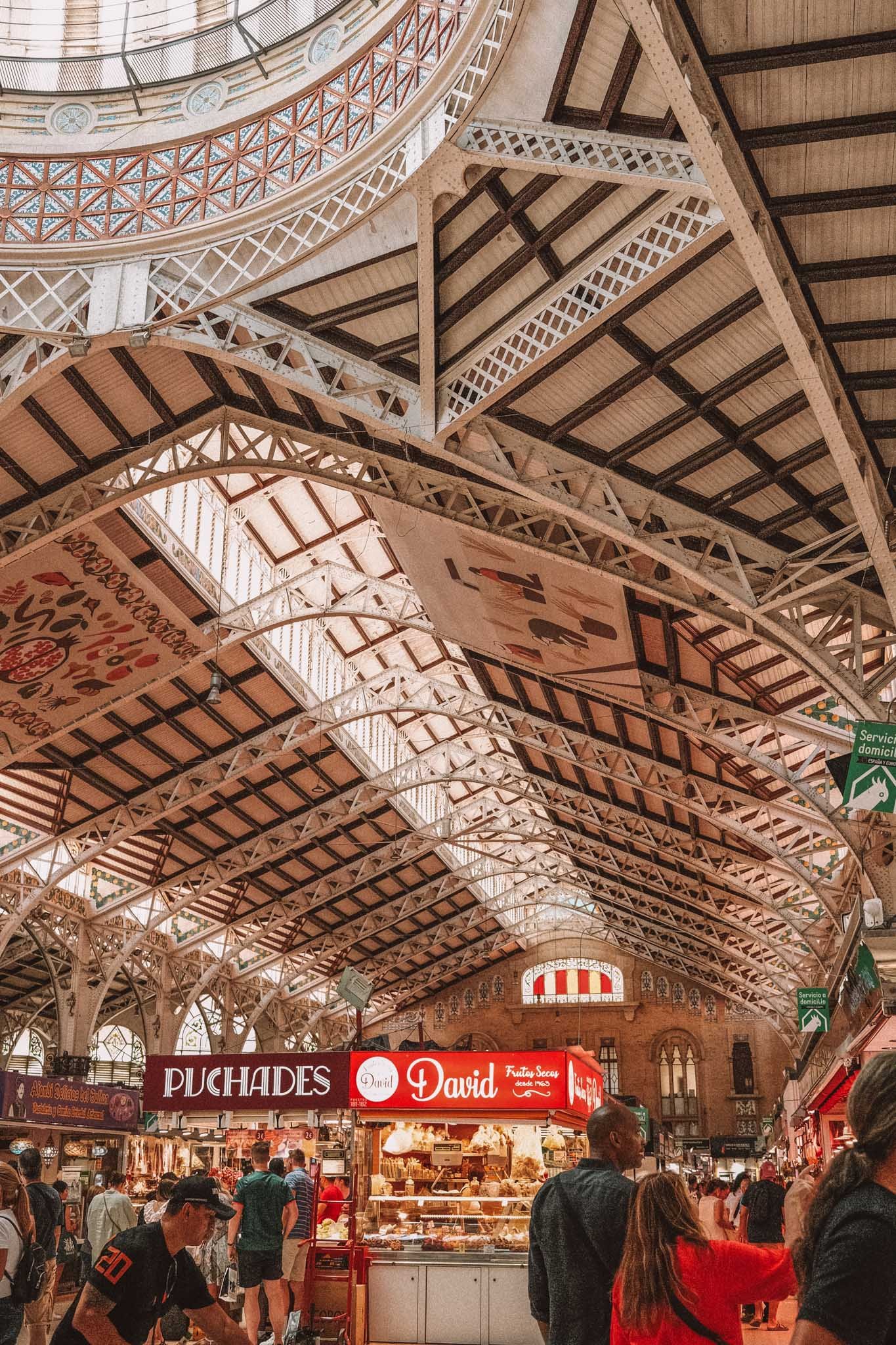
Then head to the Mercado Central (Mercat Central de València), which opens at 7:30am. One of the largest covered markets in Europe, it’s a working food market first and a tourist attraction second, and it’s spectacular for both reasons. Pick up a freshly squeezed orange juice (€1) and walk the stalls. Valencia is where Spanish oranges originated, and the variety on display here is unlike anything in a supermarket.
Local tip: Tourists enter from the main street facade. Locals enter from the side streets. Follow the people with shopping bags.
Mid-Morning: La Lonja de la Seda (Silk Exchange)
A five-minute walk from the market is La Lonja de la Seda, a UNESCO World Heritage Site and Valencia’s finest Gothic building. Entry is €2. The main trading hall. The Saló de Contractació has twisted helical columns that look like stone trees. Valencians are quietly proud of this building, and it consistently surprises visitors who didn’t know to expect it.
Late Morning: Valencia Cathedral + El Micalet Tower
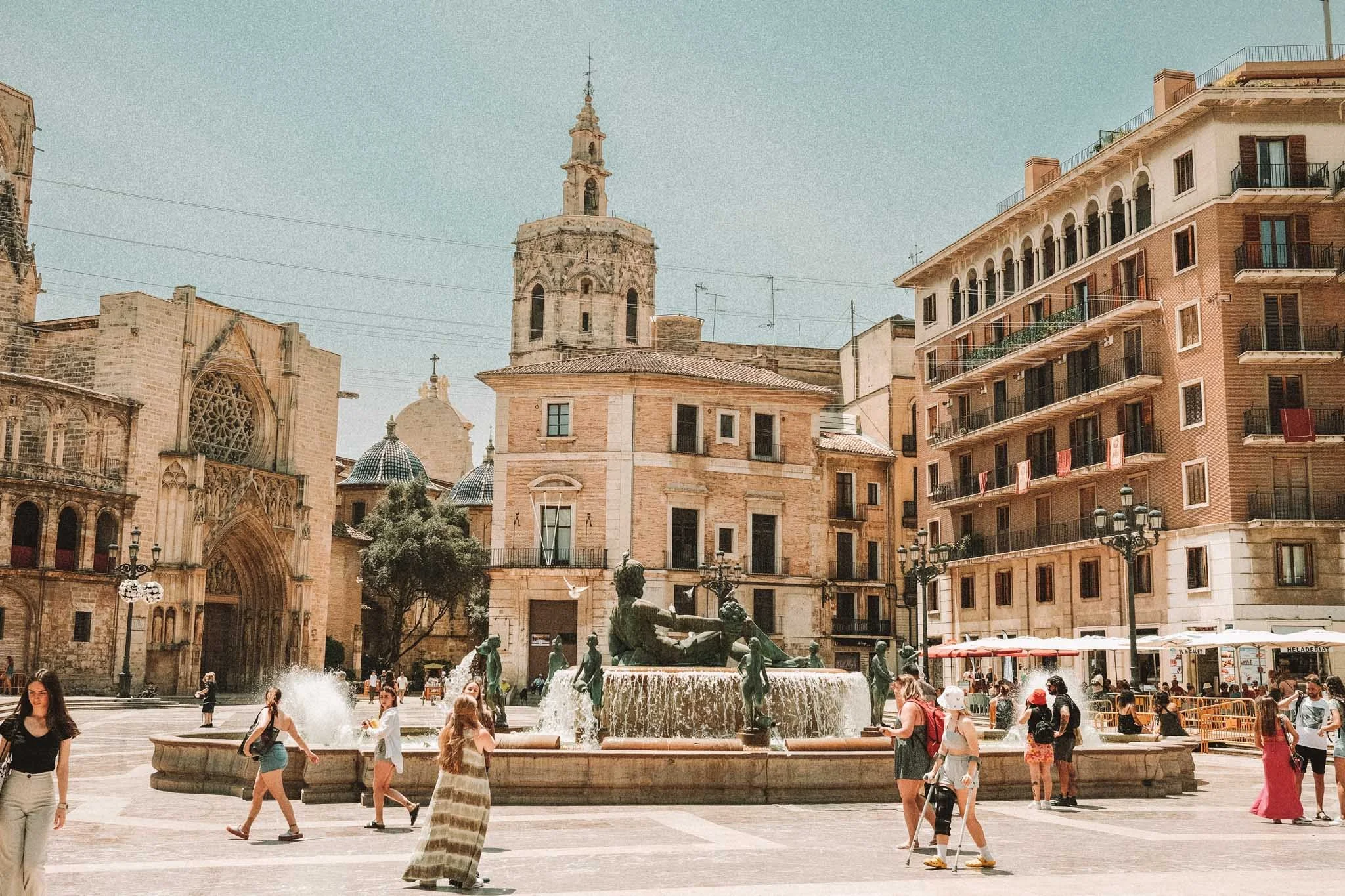
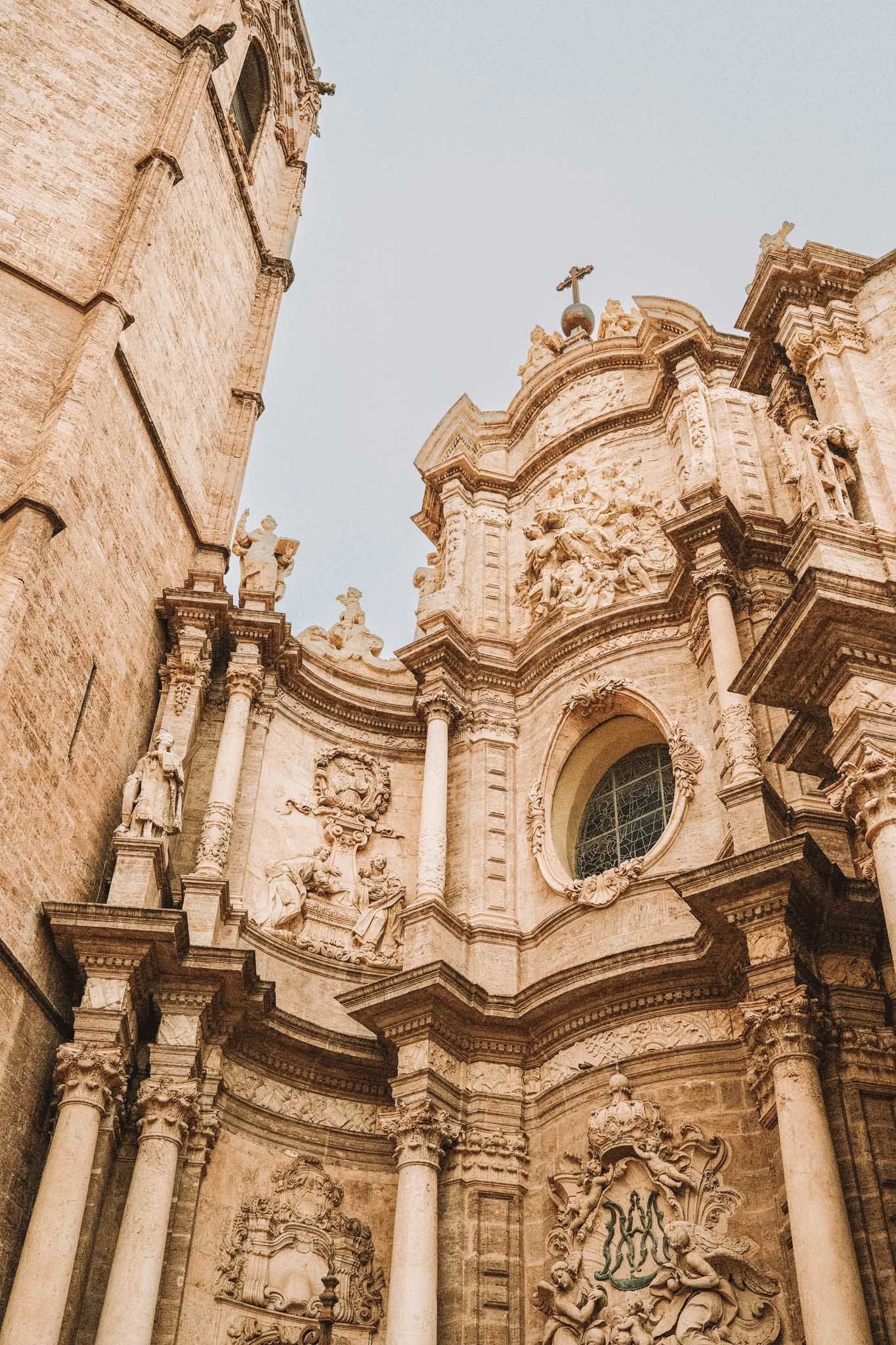
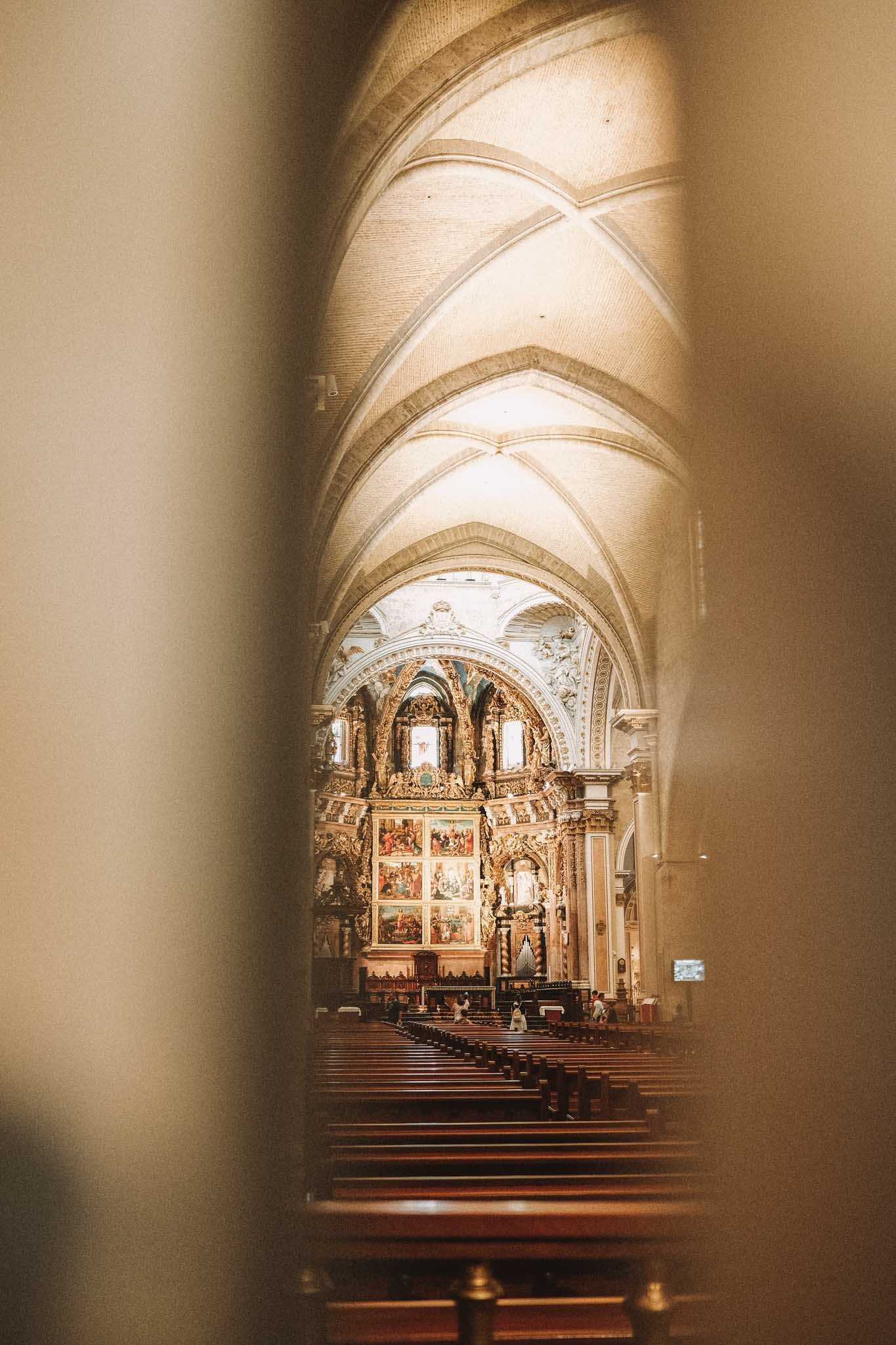
Walk through the narrow lanes to the Valencia Cathedral (Catedral de València) rather than along the main road — the old town is made for wandering. Entry to the Cathedral is €5 and includes access to the diocesan museum, which reportedly holds the Holy Grail (a medieval cup that the Church has venerated as such since the Middle Ages). Whether or not you’re drawn to the relic, the building itself is worth the visit: a Gothic-Baroque hybrid built over an earlier mosque, with visible layers of architectural history throughout.
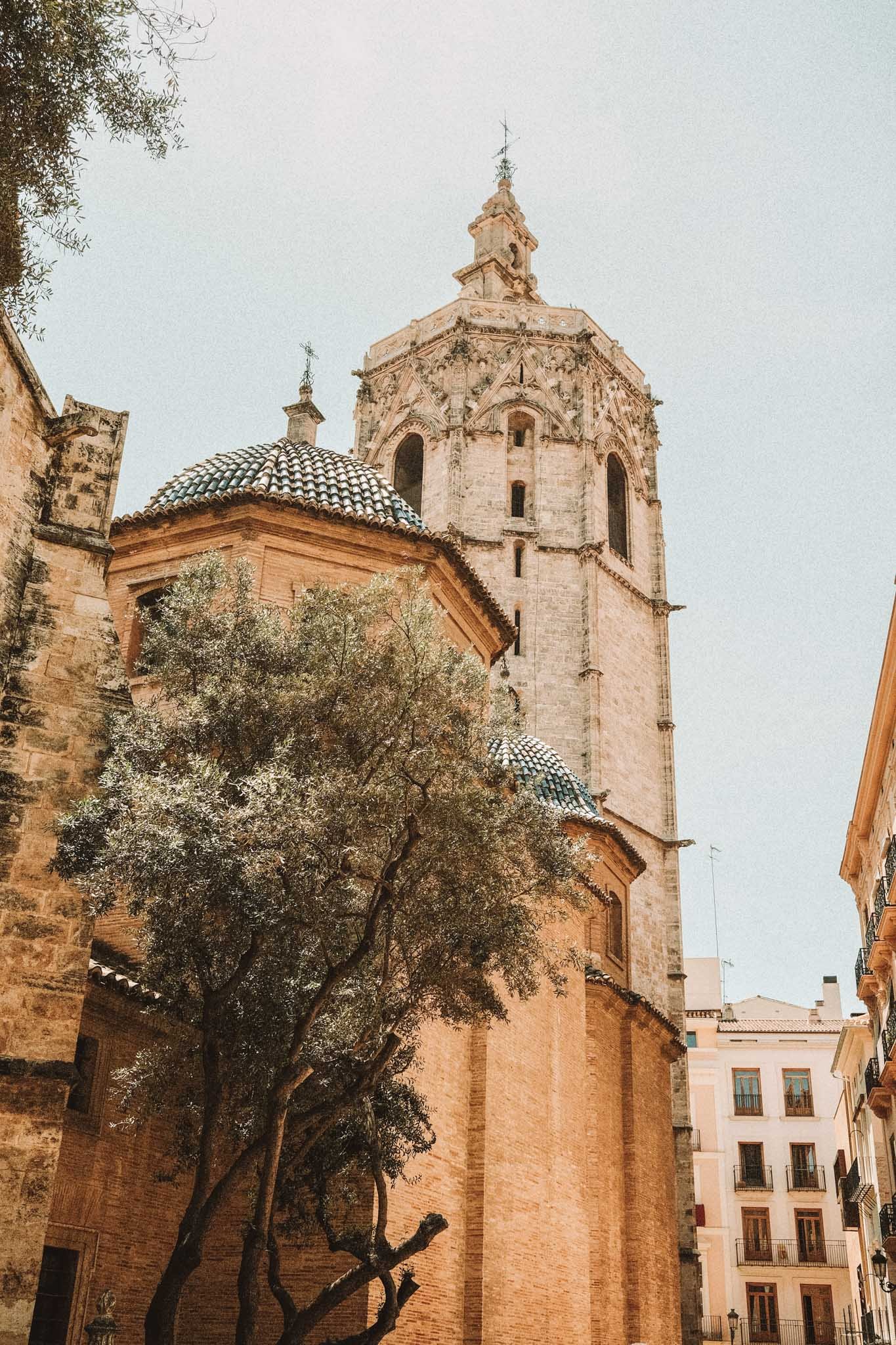
Climb El Micalet (the octagonal bell tower, also called El Miguelete) for panoramic views over the rooftops of Valencia. It’s 207 steps and there’s no air conditioning — go early before the afternoon heat builds.
Afternoon: Plaça de la Verge + Church of San Nicolás
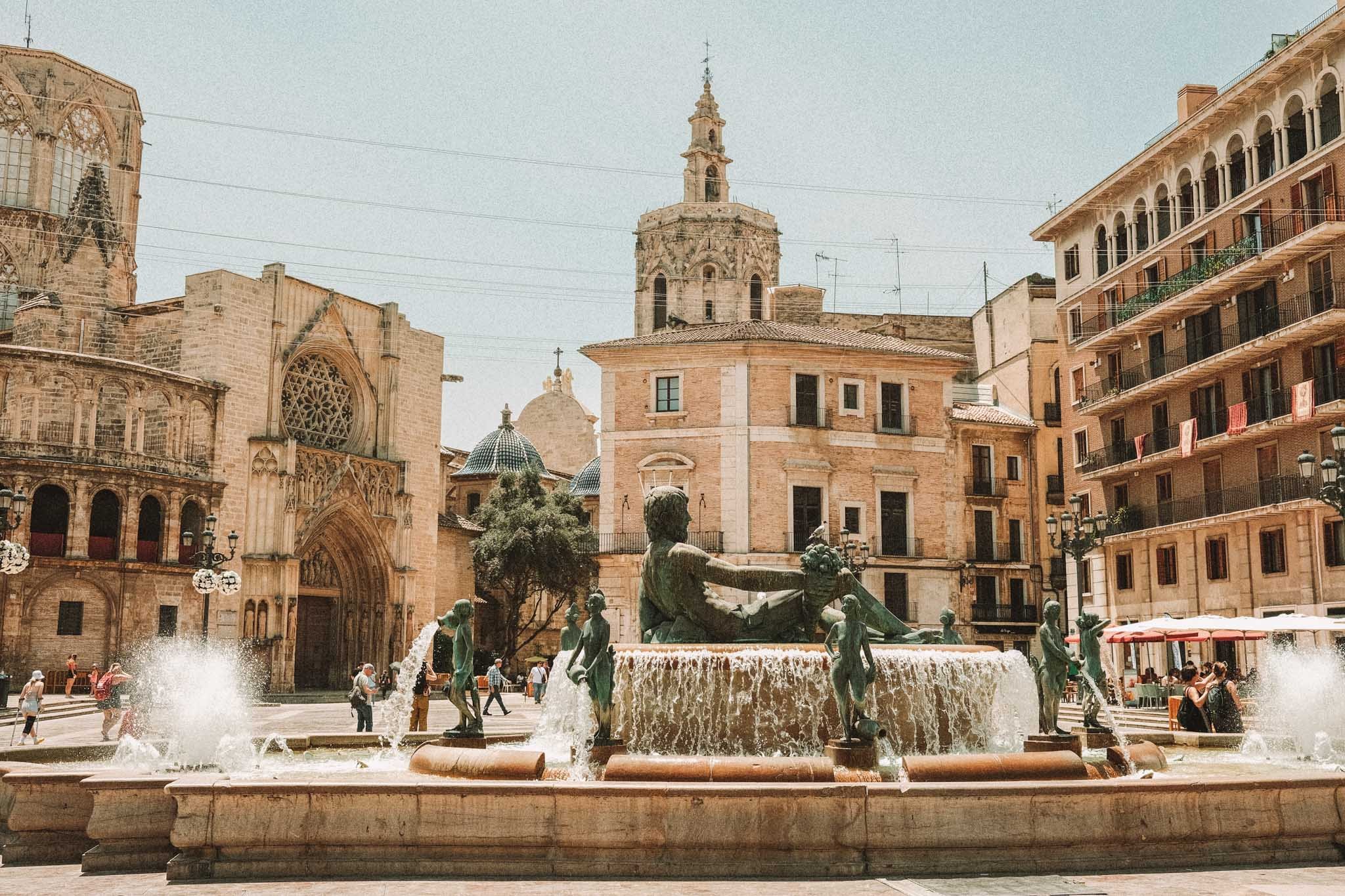
Behind the Cathedral is the Plaça de la Verge (Plaza de la Virgen), one of the most important public spaces in Valencia. Every Thursday at noon, the Tribunal de les Aigües — the Water Court of the Plain of Valencia — convenes here in the open air to resolve irrigation disputes among local farmers. This institution has operated continuously since Moorish times and is listed by UNESCO as Intangible Cultural Heritage. The hearing lasts only a few minutes but it’s one of the most genuinely unusual things you can witness in Spain.
The Church of San Nicolás (entry €10) is sometimes called the Sistine Chapel of Valencia — an overused comparison, but the ceiling frescoes are extraordinary. Note: closed to tourists on Mondays.

Evening: Dinner in the Barrio del Carmen
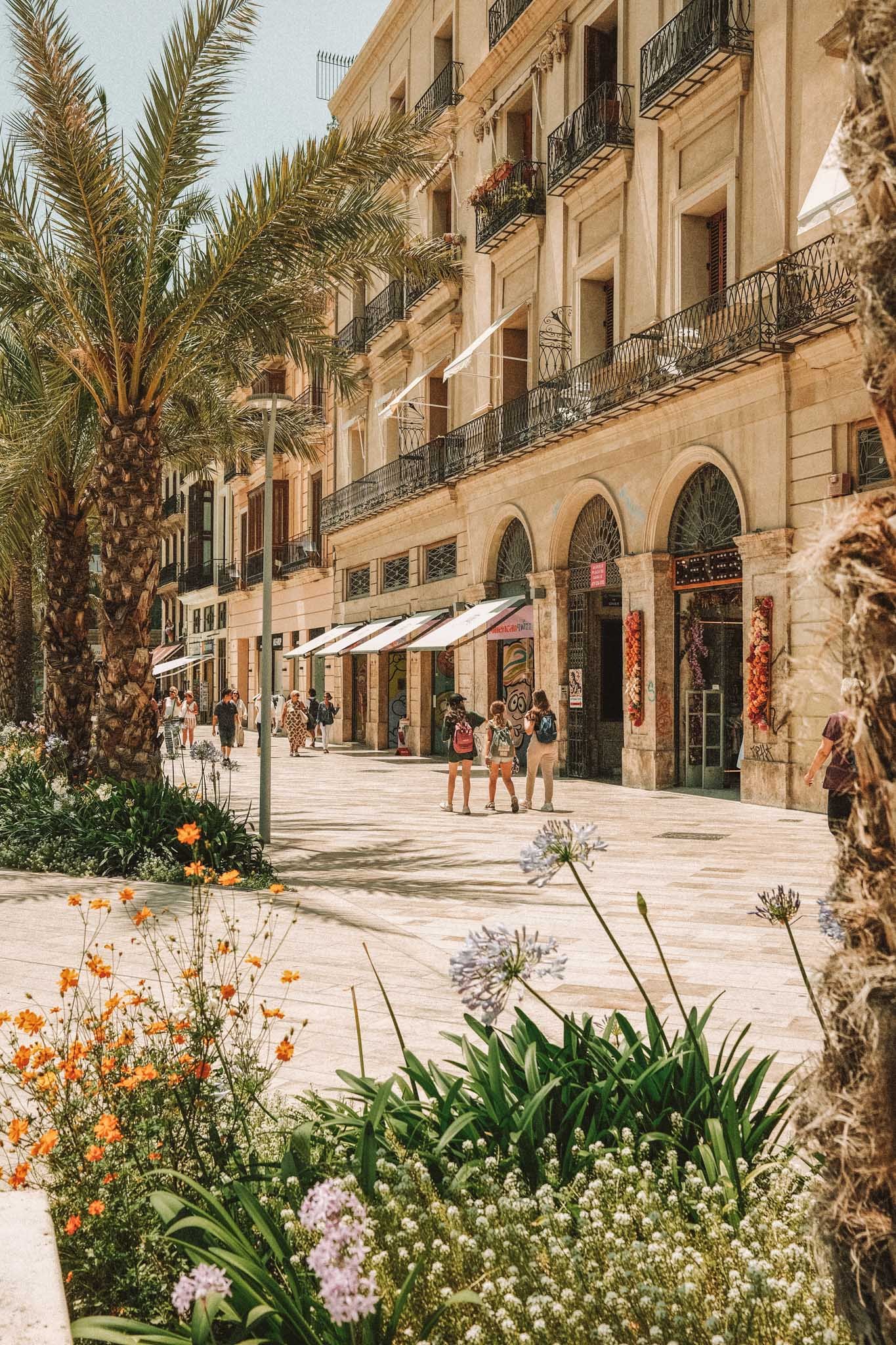
End day one with tapas at El Tap (Carrer de Roteros, 9). This small restaurant in the Barrio del Carmen has a rotating creative menu and a warm, unhurried atmosphere. The octopus, honey bacalao, and tuna are excellent. Book in advance by calling +34 625 55 98 83.
Day 2: Valencia Beach, Paella, and the City of Arts and Sciences
Day two covers Valencia’s two most iconic faces, the Mediterranean coastline and the futuristic architecture of the Ciudad de las Artes y las Ciencias. The key is sequencing: beach in the morning, paella at lunch, City of Arts and Sciences in the afternoon.
Morning: Las Arenas Beach or La Malvarrosa Beach
Valencia’s city beaches are a 15-minute bus ride from the center (take EMT line 19 or 32). Las Arenas sits next to the marina and has a slightly more manicured feel; La Malvarrosa, right next to it, is where Valencians actually go on weekends. Both have wide sandy beaches, calm Mediterranean water, and a promenade lined with restaurants.
Go in the morning while the sun is manageable and the beach is quiet. Valencia averages more than 300 sunny days per year, bring sunscreen regardless of the season.
Lunch: Authentic Valencian Paella at Casa Carmela
Casa Carmela (C/ d’Isabel de Villena, 155) is the restaurant that Valencians cite when someone asks where to eat real paella. It’s been operating since 1922, is still family-run, and still cooks the rice over orange wood — which gives it a faint smokiness that gas-cooked versions don’t have.
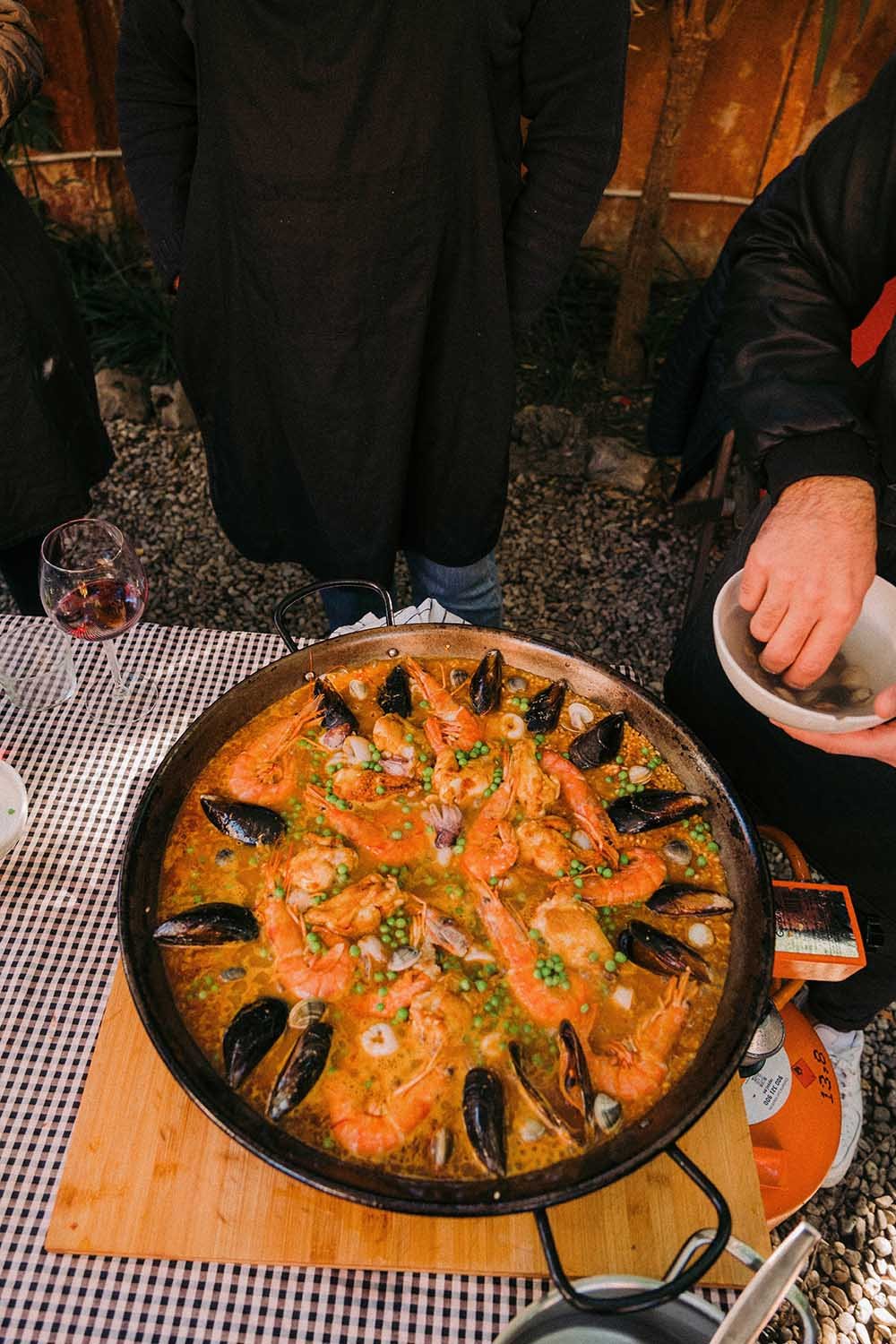
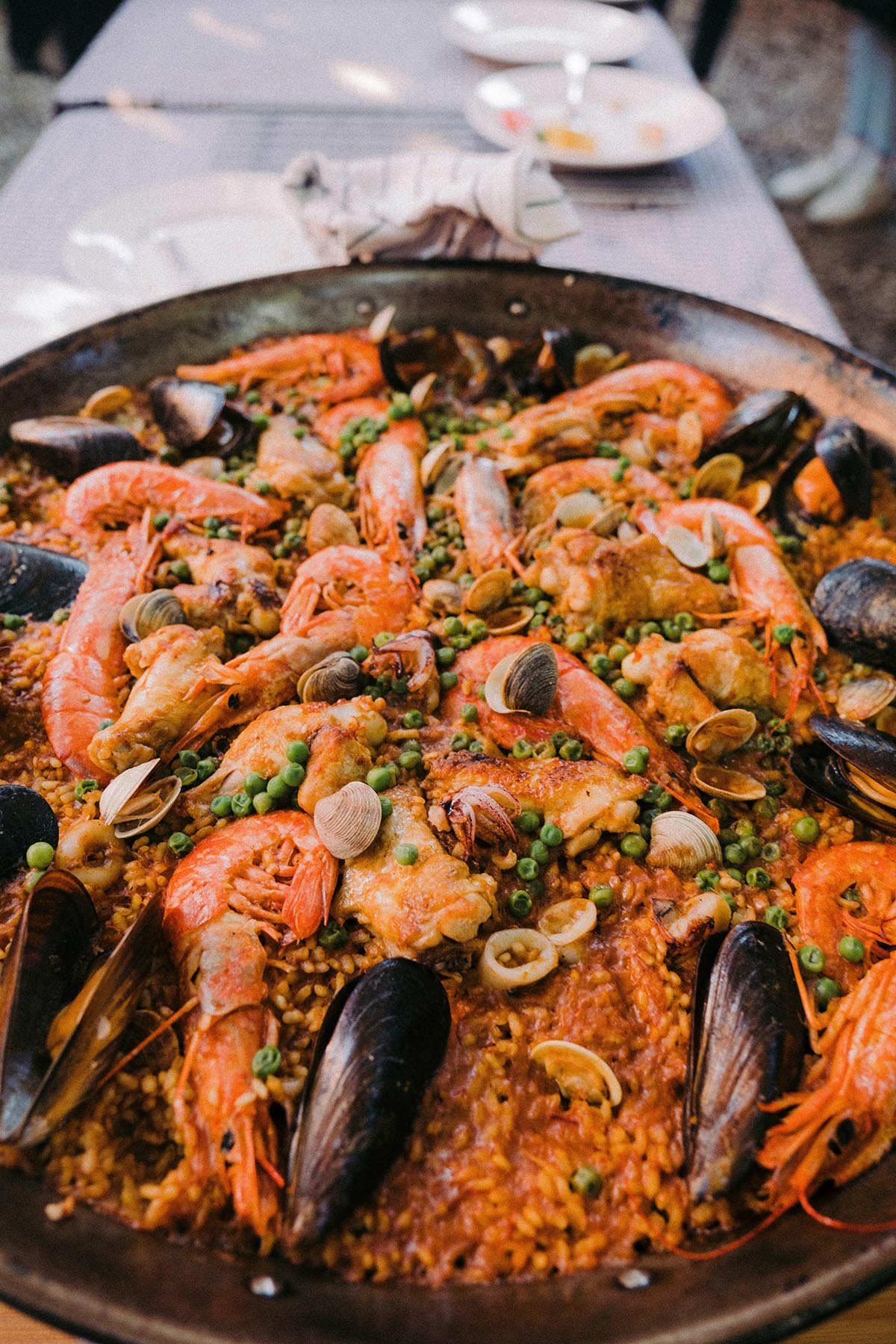
Order the Paella Valenciana: chicken, rabbit, ferraura (flat green beans), and garrofo beans. This is the traditional version — the one Valencians eat at home on Sundays. Seafood paella is delicious, but it’s not what locals call “real” paella.
Important: Book weeks in advance. Casa Carmela fills up consistently. Book online at their website or call ahead.

Afternoon: Jardins del Túria (Turia Gardens)
After lunch, walk or bike through the Jardins del Túria — a 9km green park that runs through the city along the former course of the Túria river, which was diverted after catastrophic flooding in 1957. The dry riverbed was converted into a public park in the 1980s and is now the spine of daily Valencian life: joggers, cyclists, children playing football, families picnicking. There is no better place to see what Valencia is actually like to live in.
Late Afternoon: Ciudad de las Artes y las Ciencias
The City of Arts and Sciences sits at the southern end of the Turia park. The complex was designed by Santiago Calatrava and Félix Candela and is one of the most photographed pieces of architecture in Spain. The Oceanogràfic (Europe’s largest aquarium) is worth the entry fee and takes 2–3 hours. The Museu de les Ciències Príncep Felip (Science Museum) is well-designed and particularly good if you’re traveling with children. Book tickets online to skip the queues.Day 2 in Valencia - Evening
Evening Option: Paella Cooking Class
If you’d rather cook than eat out tonight, Valencia cooking classes are a genuinely good way to understand the dish and you’ll learn why the socarrat (the crispy rice base) matters, how the sofregit base is built, and why the pan size determines how many portions you can make. Book your class here.
Day 3: Ruzafa Neighborhood, Medieval Towers, and Sunset Views
Explore Ruzafa Neighborhood
Immerse yourself in the vibrant charm of Valencia by exploring the Ruzafa neighborhood on foot. Known as the city's hippest district, Ruzafa is a colorful tapestry of cultures, styles, and flavors. As you stroll through its narrow, winding streets, you'll discover a dynamic blend of traditional and avant-garde, where old-world charm meets modern creativity.
Ruzafa is a haven for foodies, boasting a diverse array of eateries, from trendy cafes and tapas bars to international restaurants. The neighborhood is also renowned for its thriving arts scene, with numerous galleries, theaters, and creative spaces scattered throughout.
The heart of Ruzafa is its bustling market, where locals come to shop for fresh produce, artisanal goods, and specialty items. It's a sensory feast of sights, sounds, and aromas that encapsulates the spirit of the neighborhood.
As the sun sets, Ruzafa comes alive with a vibrant nightlife. Its streets are lined with lively bars, clubs, and music venues, offering something for every taste.
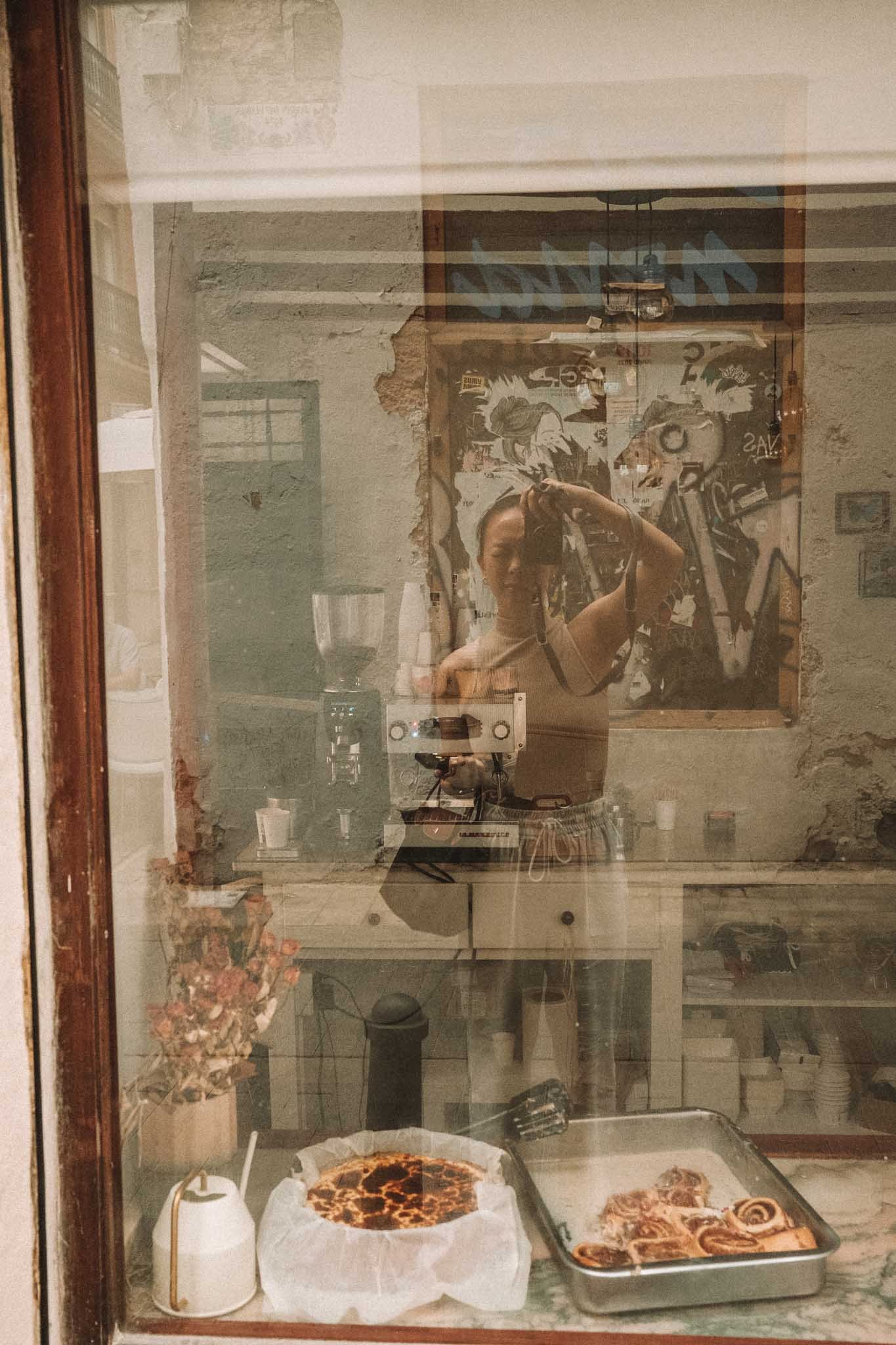
Coffee stop: Blue Bell or Cult Café .
Day 3 in Valencia - Afrernoon
Morning: Ruzafa, Valencia’s Best Neighborhood
Ruzafa (Russafa in Valencian) is the neighborhood that local Valencians in their 20s and 30s actually live. A decade ago it was a working-class district largely overlooked by visitors. Today it has some of the city’s best independent coffee shops, natural wine bars, brunch spots, ceramics studios, and bookshops, without the self-conscious performance of a trendy neighborhood. People here are just living their day.
Spend the morning on Carrer de Cadís and the streets around the Mercat de Ruzafa, a smaller, quieter version of the Central Market used almost entirely by residents. Stop for coffee at one of the specialty cafés (see coffee section below).
What to buy: Local ceramics, Valencian rice (D.O. Valencia varieties are labeled at the market), or a bottle of Bobal red wine from the Utiel-Requena DO — Valencia’s own wine region, virtually unknown outside Spain and very good.
Afternoon: Torres de Serranos
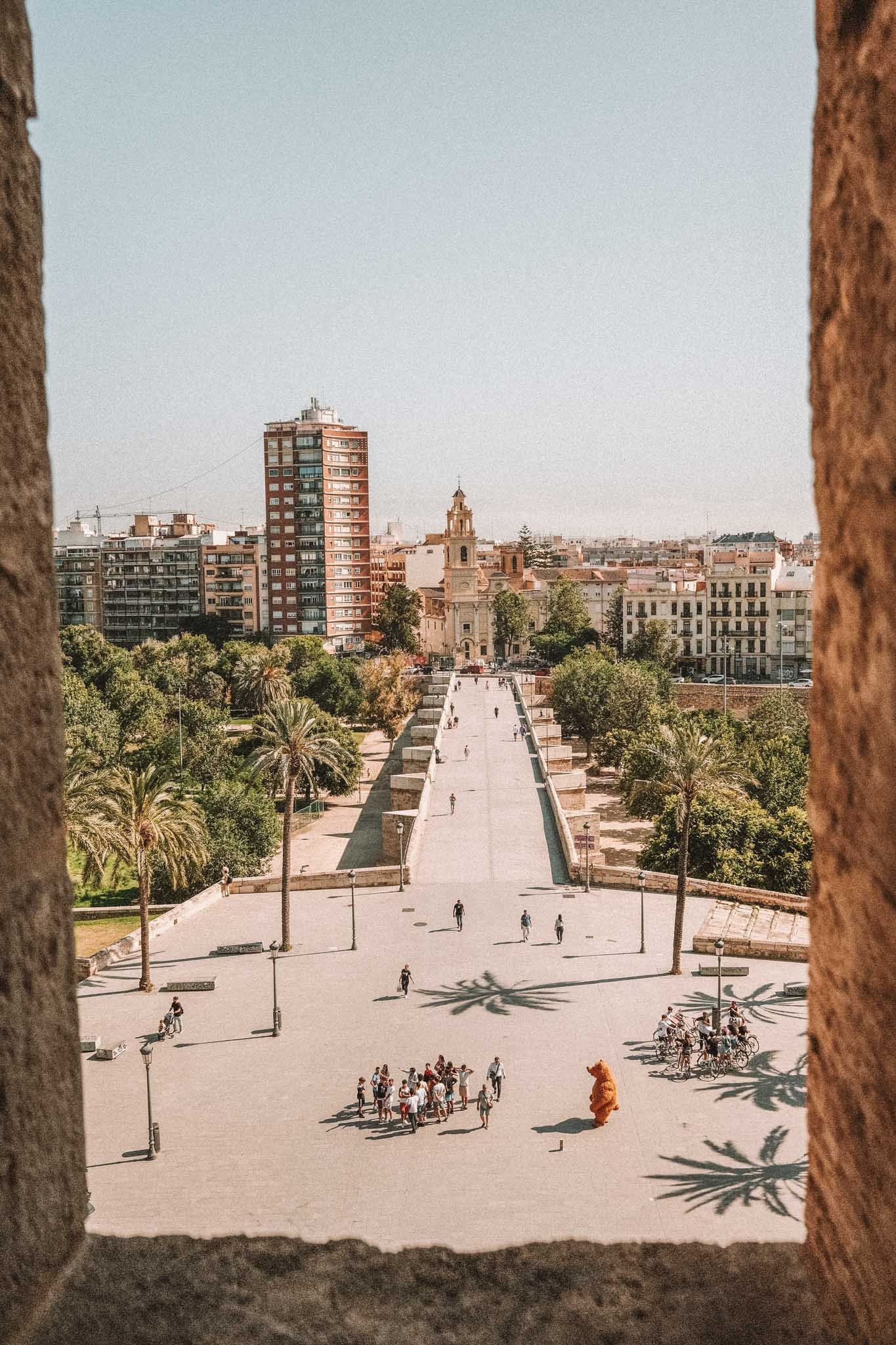
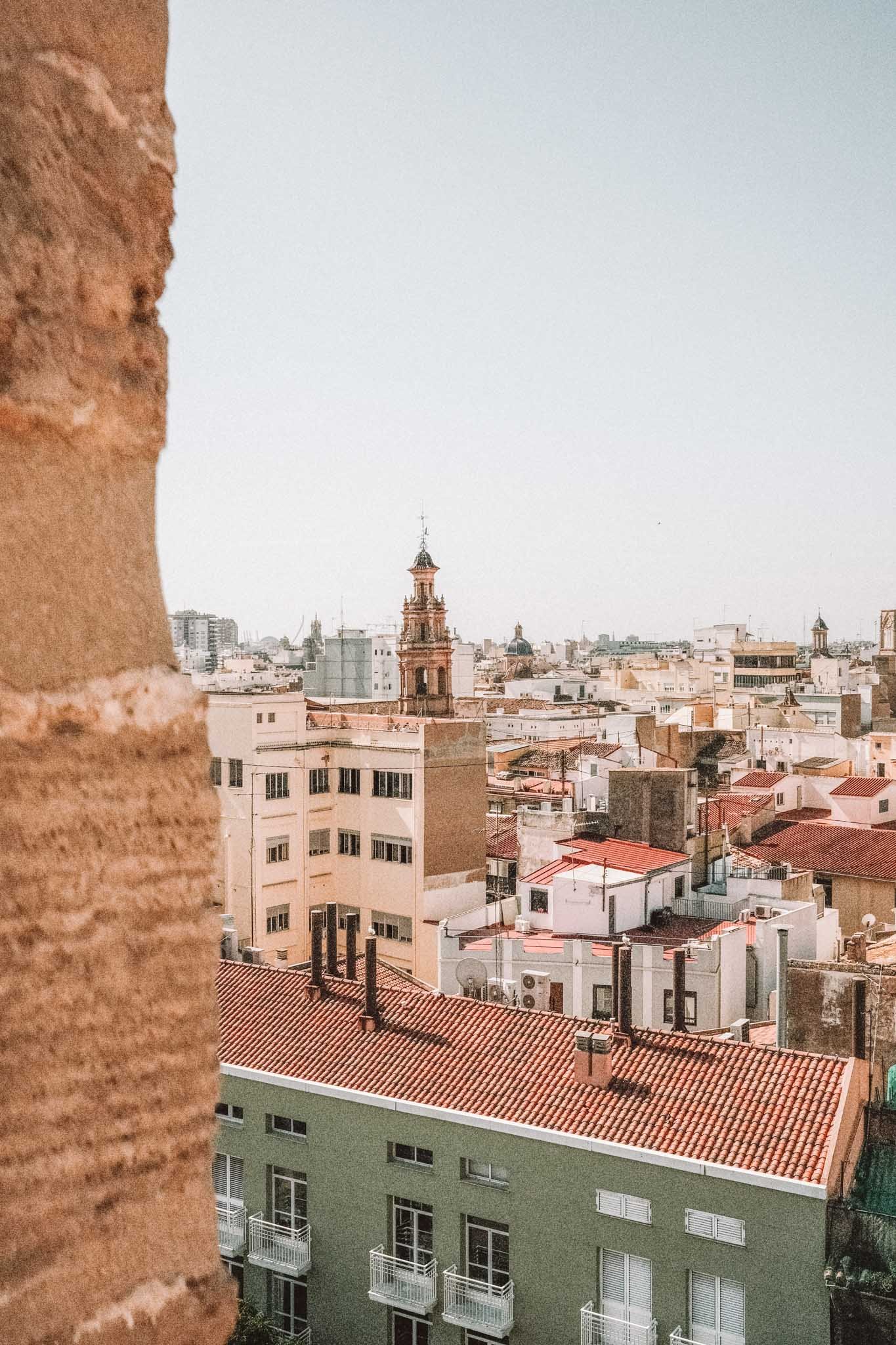
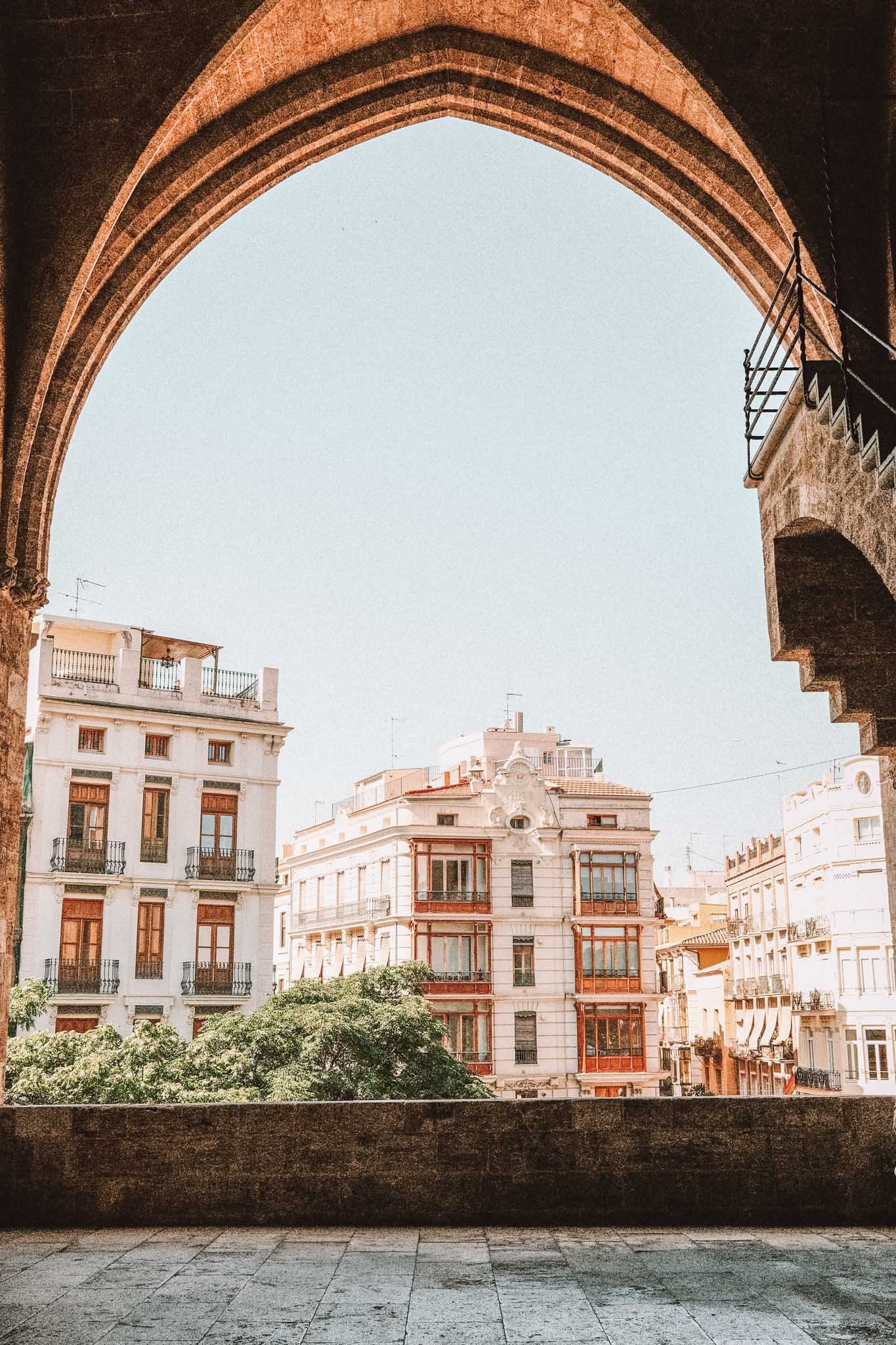
The Torres de Serranos (€2 entry) are 14th-century Gothic gate towers at the northern edge of the old city, one of the best-preserved medieval monuments in Valencia. The climb is easy and the views from the top take in the full roofscape of the historic center: Gothic spires, church domes, the Turia park stretching away to the south. Go in the late afternoon when the light turns golden.
Sunset: Rooftop Drinks with a View
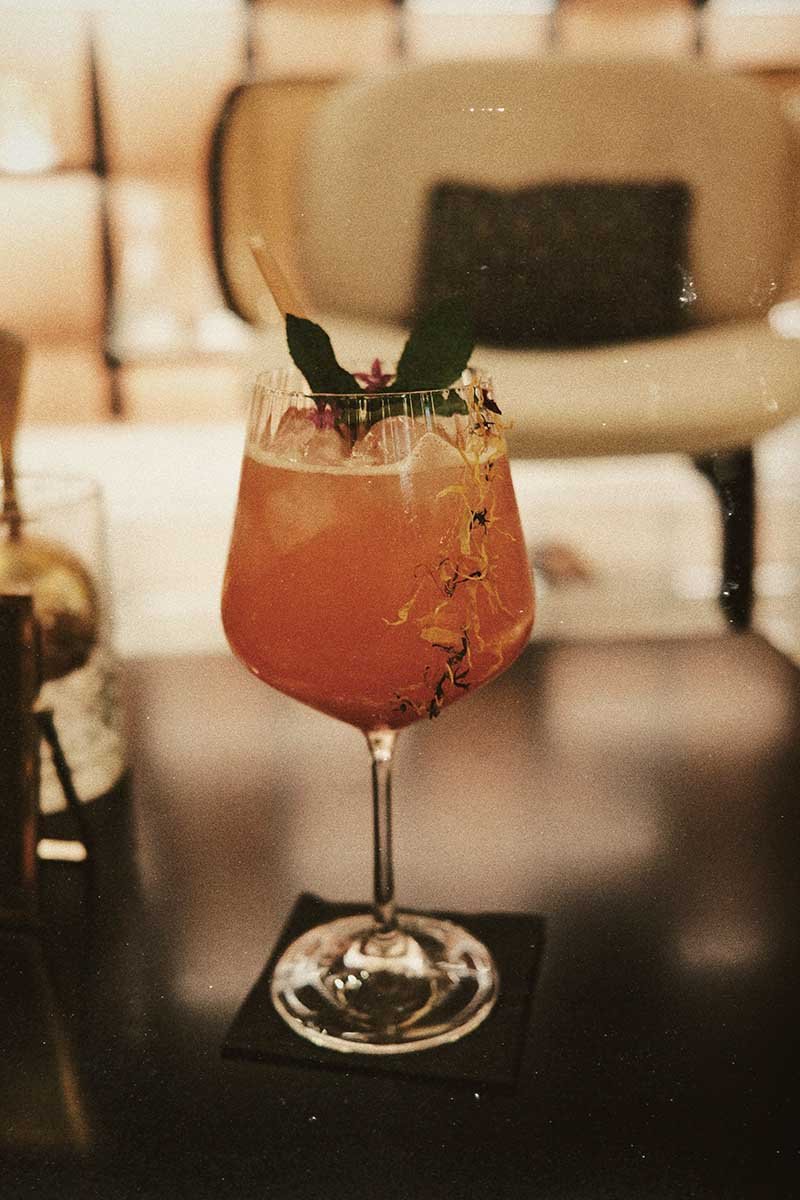
After the towers, walk to the rooftop bar at Hotel Puerta Serranos. The view with the towers lit up at dusk is one of the best in the city. Order a Clara, beer cut with lemon Fanta, the local summer drink and watch the old town change color as the sun goes down.
Also worth knowing: The Lladró Lounge Bar at the sister hotel nearby is a beautiful alternative if the rooftop is crowded.

Unique Things to Do in Valencia (Beyond the Standard Itinerary)
Visit Albufera Natural Park
About 20 minutes south of Valencia, the Albufera is the lagoon where Valencian rice is grown. A boat trip on the lake gives you a completely different view of the region — wetlands, rice paddies, flamingos in season. Have lunch at a lakeside restaurant and order arroz a banda, the simpler fishermen’s rice dish that historically preceded paella. Day trips run from the city throughout the week.
Try the Adventurous Ice Cream at Heladeria Llinares
Plaça de la Reina, 6. This ice cream shop is famous for serving flavors like gazpacho andaluz, tortilla de patata, and anchovies (boquerón). Locals eat it earnestly. The conventional flavors are also very good.
Book Your Tours In Advance
Sail to Albufera Natural Park
Escape the city buzz and immerse yourself in the serene landscapes of Albufera Natural Park. A boat trip on Albufera Lake offers stunning views of rice fields, marshes, and dunes. Look out for diverse bird species and savor a traditional paella at a lakeside restaurant.
Book the tour here.
Caves of San José
The Cuevas de San José in Vall d’Uixó hold the longest navigable underground river in Europe. Guided boat tours run through stalactite-lined caverns lit to theatrical effect. About an hour from Valencia by car. Book the tour here.
La Tomatina (Last Wednesday of August)
If your visit falls on the last Wednesday of August, the tomato fight festival in Buñol — about 40 minutes from Valencia — is exactly what it sounds like. Around 20,000 people throw approximately 120 tonnes of tomatoes at each other in a one-hour window. Wear old clothes you’re willing to throw away afterward.
Find La Casa de los Gatos
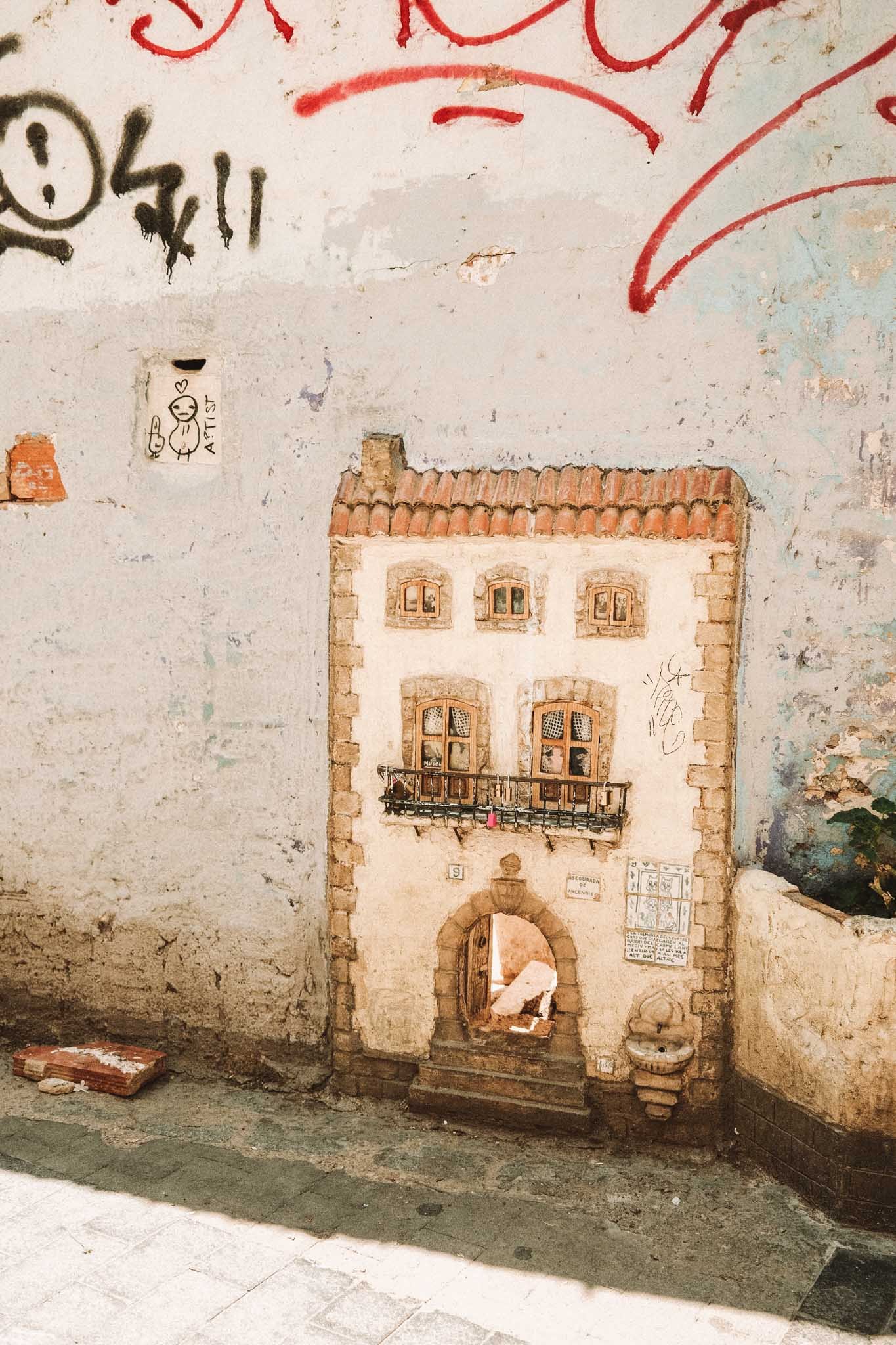
At number 9 on Carrer del Museu in the El Carmen neighborhood, there’s a miniature house built into the wall — a shelter for the local street cats, built around a legend from El Cid’s rule of Valencia. The cats are real and they use it.
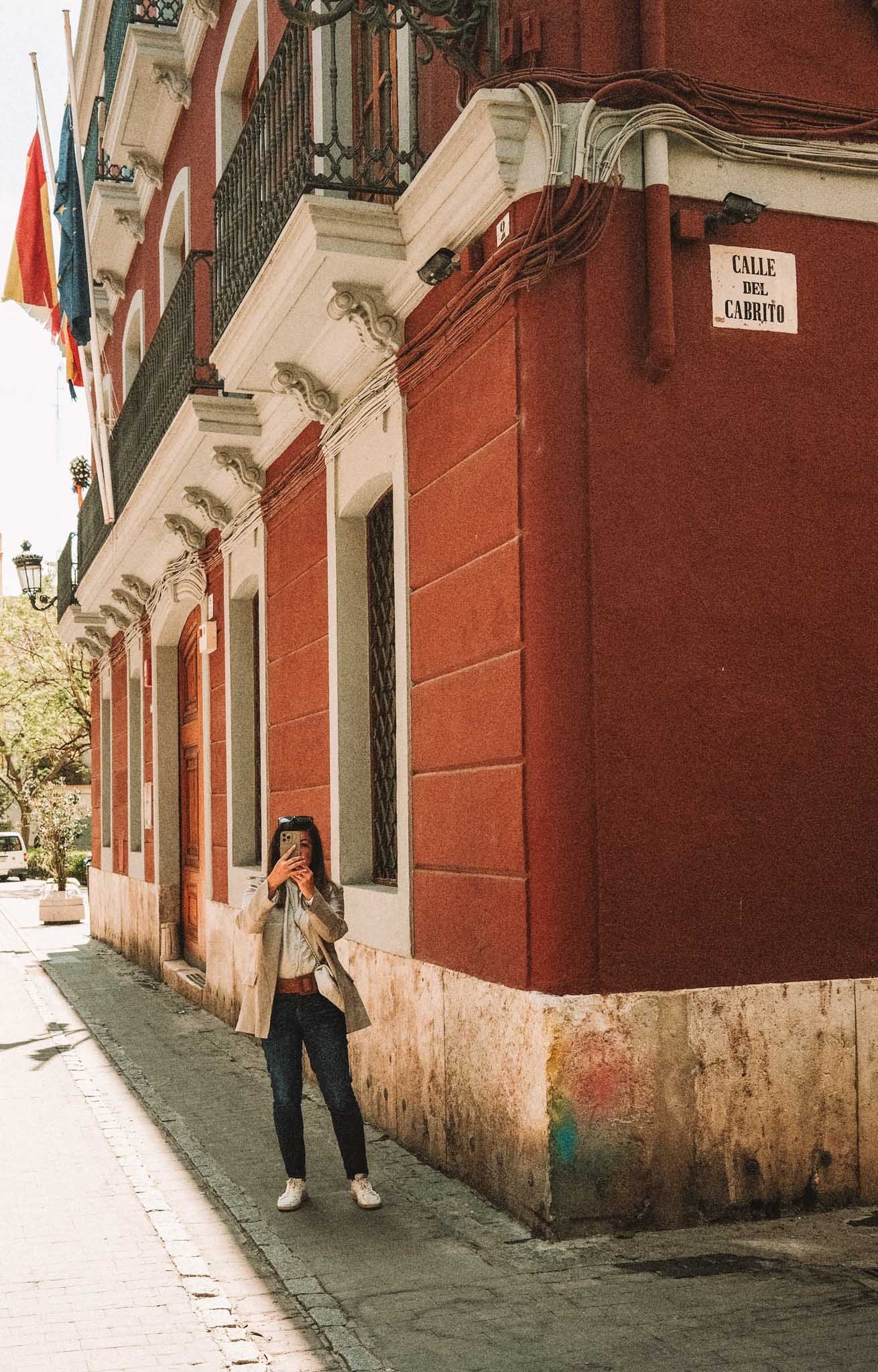
Where to Eat in Valencia: Local Recommendations
Valencia’s food scene is one of the strongest in Spain. The city is the birthplace of paella, the origin of horchata, and home to a market culture that keeps ingredient quality very high. Here are the places that earn repeat visits from people who live here.
Best Paella in Valencia: Casa Carmela
C/ d’Isabel de Villena, 155. See Day 2 above. The definitive answer to “where to eat paella in Valencia.” Family-run since 1922, cooked over orange wood. Book weeks in advance.
Best Paella To Go: Arrocería Ricepaella
Carrer del Músic Peydró, 4. A counter shop where locals pick up freshly made paella to go. No tourist markup. Take it to a nearby plaza. This is how many Valencians actually eat paella on a regular basis. It’s a weekday lunch, not a special occasion.
Best Fine Dining in Valencia: La Salita
C/ de Pere III el Gran, 11. Chef Begoña Rodrigo’s Michelin-starred restaurant. Rodrigo was the first woman to win MasterChef Spain and has since built one of the most personal tasting menus in the region, rooted in Valencian produce. Not cheap. Reserve well in advance.
Best Casual Dinner in Ruzafa: Canalla Bistro
Carrer del Mestre Josep Serrano, 5. Chef Ricard Camarena’s relaxed project in Ruzafa. The menu borrows from Korean, Thai, and Latin cuisines and filters them through a Spanish sensibility. Book ahead.
A Note on Horchata
Valencia is the origin of horchata, a cold drink made from chufa (tiger nuts) grown in the Albufera region just south of the city. Served with fartons (a soft, elongated pastry for dipping), it’s what people drink on hot afternoons. Not a tourist gimmick: it’s on every locals’ café menu. Horchateria de Santa Catalina on Plaça de Santa Caterina is the most famous, but any granja in the old town will serve it properly.
For the wine lover
Valencia's rich wine scene offers visitors an amazing taste of Spanish culture through its local wineries. The region's famous Utiel-Requena area, known for its Bobal grapes, welcomes guests into historic cellars and beautiful vineyards. Going on a wine tour lets you taste unique local wines while meeting friendly winemakers who love sharing their family traditions and pairing their wines with delicious Spanish food.
Check out this tour that takes you to Utiel-Requena wine region. Or this wine tasting with a sommelier.
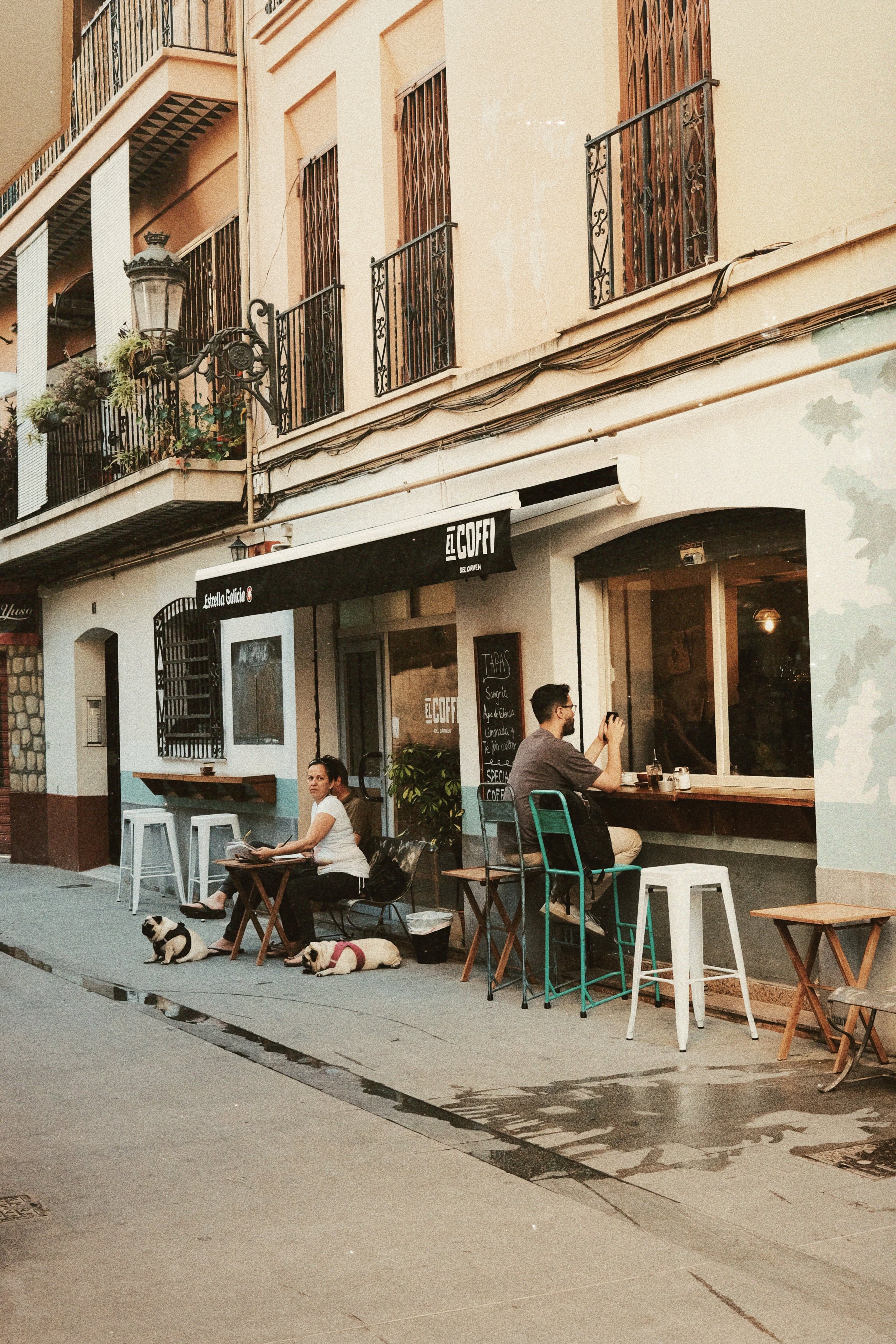


Best Coffee Shops in Valencia
Valencia has a serious coffee culture, though it leans toward excellent espresso bars rather than the pour-over-and-single-origin world. Here are the best coffee shops in Valencia worth knowing:
• Fav Coffee (C/ del Cronista Carreres, 1): Small, serious, and consistent. Water comes with your cup without asking, the Valencian standard. Good pastries. Outdoor terrace.
• El Coffi del Carmen (C/ de la Creu, 4): In the Barrio del Carmen, off the tourist trail. The tortilla española here is excellent. Also serves wine in the evenings, which tells you it’s a proper neighborhood place.
• Uncade (C/ de Martín Mengod, 6): A walk-up counter just behind Plaça Redona. Excellent cortadito at prices that haven’t caught up with the quality.
• Goat Coffee Store (C. de l’Abadia de Sant Martí, 4): The specialty end of the Valencia coffee scene. If you care about origin and roast, come here.
• Cult Café (C/ de l’Arquebisbe Mayoral, 7): Best brunch option on this list. Their oat milk lattes and gluten-free multi-grain bread are consistently praised by regulars.
Visiting Barcelona?
400+ local spots already saved in Google Maps — restaurants, coffee shops, hidden gems, no tourist traps.
Barcelona Guide + Map → $24.99
Where to stay in Valencia

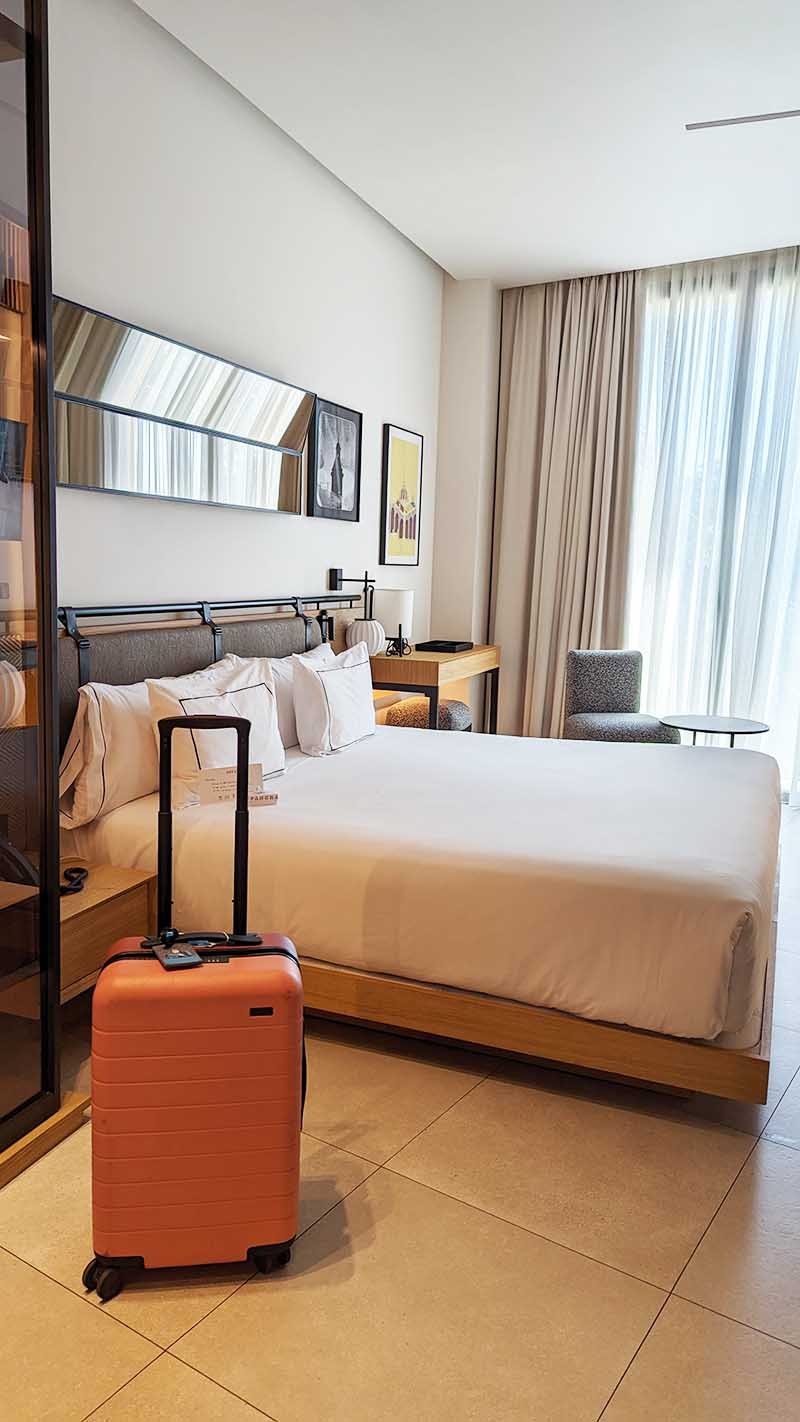
MYR Puerta Serranos
During my Valencia adventure, I had the pleasure of staying at MYR Puerta Serranos. The location was simply unbeatable - perfectly situated for car access, just a stone's throw away from a taxi stop, and on the fringe of the historic center. Many of the city's attractions, parks, and restaurants were within easy walking distance. But the perks didn't stop at the location. The hotel itself was a modern marvel, boasting a beautiful design and a fantastic rooftop bar. If you're planning a trip to Valencia, MYR Puerta Serranos is a wonderful choice for your stay. Book your stay here.
Feten
For those seeking the comfort of an apartment-style stay, Feten comes highly recommended. This modern establishment offers spacious accommodations that go beyond the confines of a typical hotel room. Each unit is equipped with a small kitchen and a washing machine, providing all the conveniences of home. Feten is an excellent choice if you're on an extended trip and crave a break from traditional hotel living. It's a space where you can unwind and feel right at home while exploring the vibrant city of Valencia. Book your stay here.
Mon Suites Benlliure
Another great alternative for those who prefer the homely feel of an apartment-style accommodation, this place is a fantastic option. The apartments are tastefully adorned in a contemporary style and come fully equipped with a kitchen, providing all the comforts of home. An added bonus is the separate laundry room, a practical feature for travelers on longer stays. Book your stay here.
Practical Tips for Visiting Valencia
• Best time to visit Valencia: March to May and September to November offer the best weather for sightseeing: warm, uncrowded, and with the city fully operational. Summer (June–August) is hot and busy but great for beach days. March brings Las Fallas, Valencia’s biggest festival, with giant papier-mâché sculptures, fireworks, and the entire city celebrating for two weeks.
• Spanish time: Lunch doesn’t happen before 2pm. Dinner rarely before 9pm. Shops close for a few hours in the afternoon. This isn’t inconvenience, it’s the rhythm. Let yourself adjust to it.
• Language: Valencian (a variant of Catalan) is co-official alongside Spanish. Signs are often in both. Spanish works everywhere, but a few words in Valencian, bon profit (enjoy your meal), gràcies (thank you), are always appreciated.
• Currency: Euro. Contactless card payment is widely accepted, but keep some cash for small cafés and market stalls.
• Tipping: Not mandatory in Spain. Rounding up the bill or leaving €1–2 for good service is appreciated but not expected.
Frequently Asked Questions About Visiting Valencia
What is Valencia, Spain known for?
Valencia is best known as the birthplace of paella, one of Spain’s most celebrated dishes. It’s also known for the City of Arts and Sciences (a futuristic architectural complex), the Mercado Central (one of Europe’s largest covered markets), the annual Las Fallas festival (a UNESCO-listed celebration in March), and for producing most of Spain’s oranges. It’s Spain’s third-largest city and sits on the Mediterranean coast.
Is Valencia worth visiting?
Yes, Valencia is consistently underrated relative to Barcelona and Madrid, which means fewer crowds, lower prices, and a more authentic experience of Spanish daily life. The food is excellent, the weather is reliably good, and the city is easy and enjoyable to navigate on foot or by bike.
What is the best neighborhood to stay in Valencia?
The historic center (Ciutat Vella) puts you closest to the main sights. Ruzafa is the best option for a more local, residential feel with great restaurants and coffee shops. Both are within easy reach of the Turia gardens and the beach by bike or bus.
When is the best time to visit Valencia?
Spring (March–May) and autumn (September–November) are the best times to visit Valencia for weather and crowd levels. March is also when Las Fallas takes place — a spectacular festival but one that makes the city extremely busy and expensive. Summer is great for beach days but hot (regularly above 35°C in July and August).
What should I eat in Valencia besides paella?
Beyond paella, try: horchata with fartons (a cold drink made from tiger nuts, unique to Valencia), allíoli (a Valencian garlic sauce served with many dishes), arroz a banda (a simpler rice dish from the fishing communities south of the city), agua de Valencia (a cocktail of cava, orange juice, and gin), and any fresh seafood from the Mercado Central.
How much does 3 days in Valencia cost?
Valencia is meaningfully cheaper than Barcelona or Madrid. Budget travelers can manage on €80–100 per day including accommodation, food, and transport. Mid-range travelers spending on good restaurants and some paid attractions should expect €150–190 per day. Museum and monument entry fees are generally low (€2–10), and public transport is inexpensive.
A 3-day Valencia itinerary gives you enough time to see the city’s best sights, eat properly, and start to feel how the place actually works. The old town in the morning, a long lunch that bleeds into the afternoon, a walk through the Turia in the evening. Follow it and you’ll understand why people who live here feel like they’ve figured something out.
Bon profit.
MORE SPAIN POSTS


Going to Valencia? Pin it!